Rragam, end of the Valbona roadTrailhead where the road gives out in the upper valley
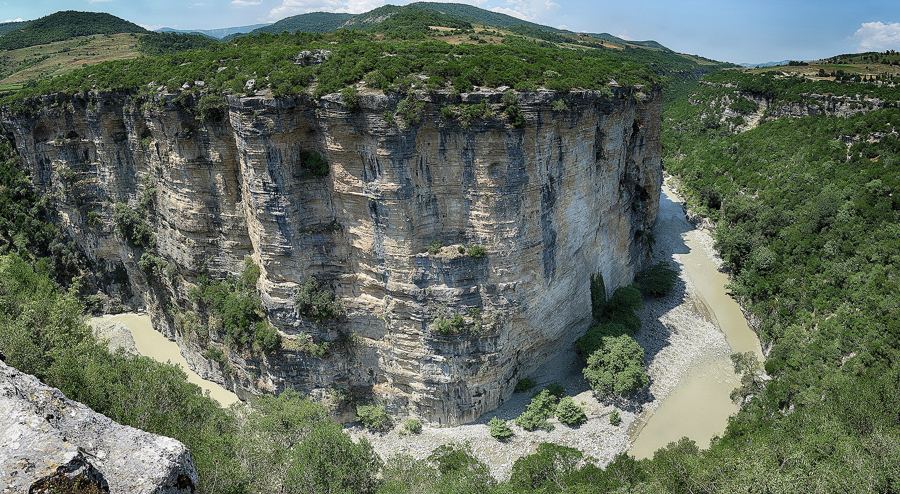
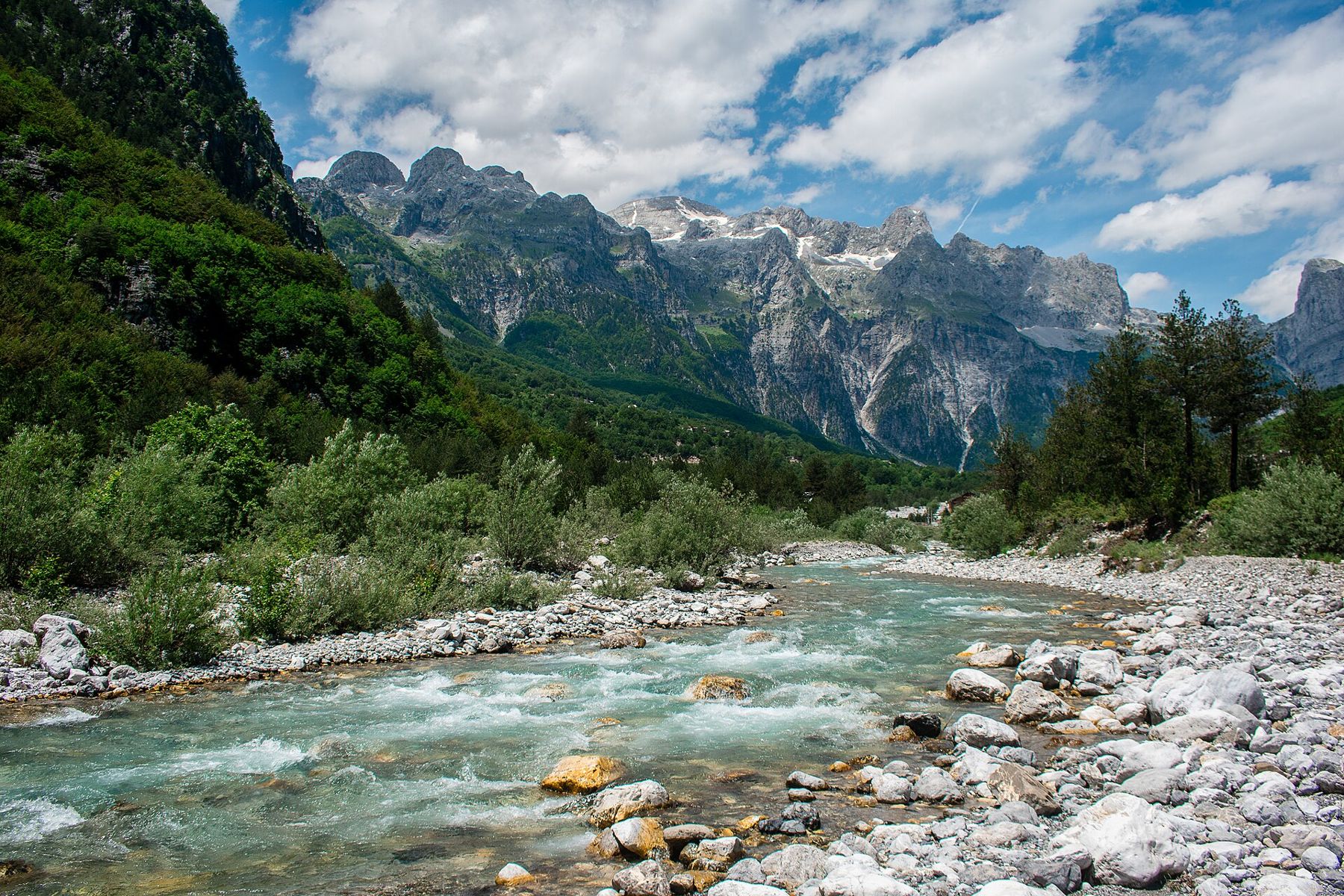
The Valbona riverbedWide stony bed, dry in summer, marked by cairns
The beech forest climbSteady switchbacks through shade to a seasonal hut
Qafa e Valbonës, the passThe col, about 1,800 metres, views both ways
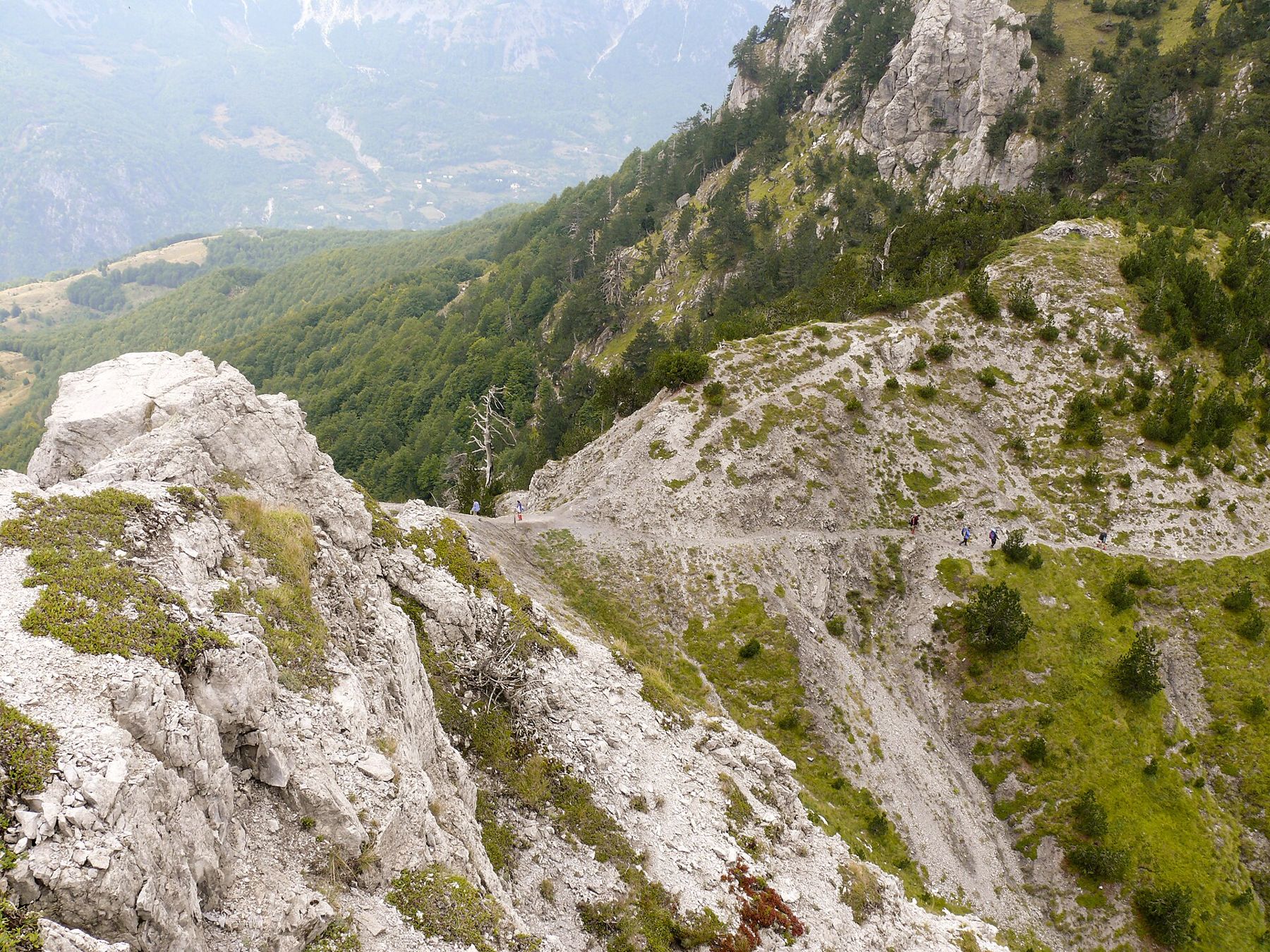
The descent through the Theth woodsSteep zigzags down through beech and open slopes
Theth, the church meadowValley floor, guesthouses and the end of the walk
At first light in the upper Valbona valley the only sound is water. The river runs somewhere under the stones, the peaks above are pink, and the mist is still lifting out of the beech trees. Walkers set off in small groups from the end of the road, poles clicking on the rocks, heading for a notch in the skyline that looks impossibly high. By evening they will be in Theth, on the other side of the mountain, eating dinner at a guesthouse table with sore knees and a good story.
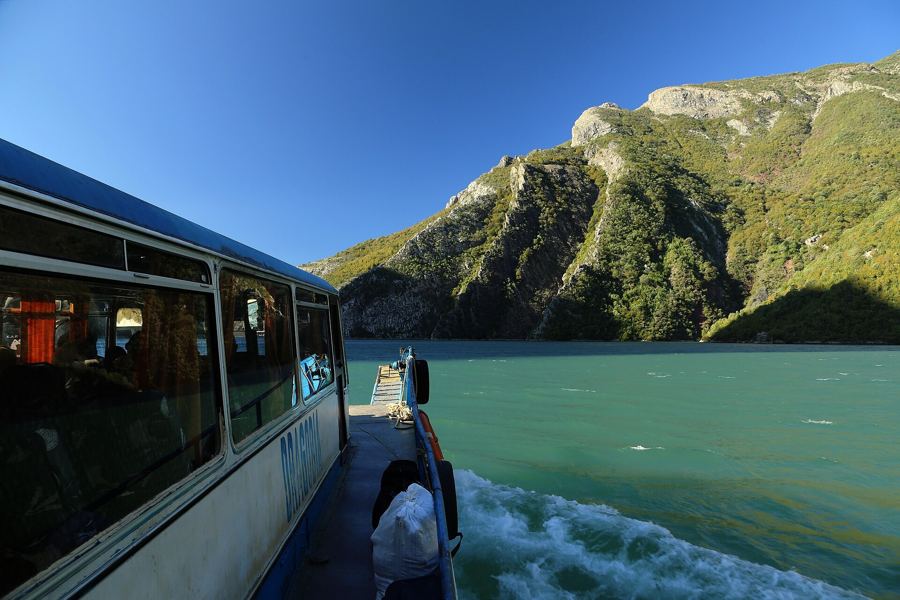
The hike over the Valbona Pass is the classic walk of the Albanian Alps. It links two valleys that are a long way apart by road and only one hard day apart on foot. Most people walk it from Valbona to Theth, because the Lake Komani ferry brings them into the Valbona end, and the guesthouses at both ends are used to the rhythm. Below is the route, stop by stop, and then the practical part.
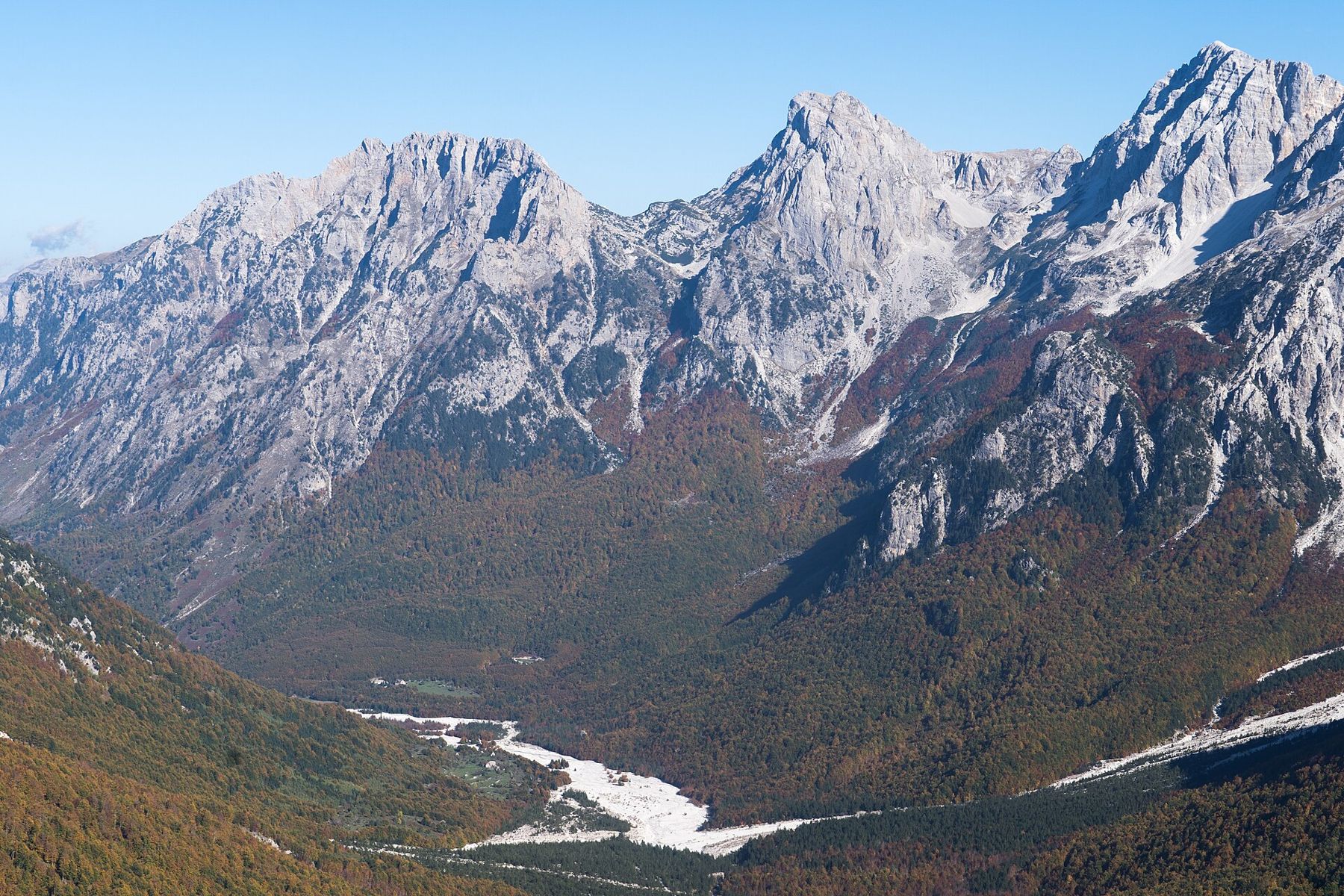
Rragam, end of the Valbona road
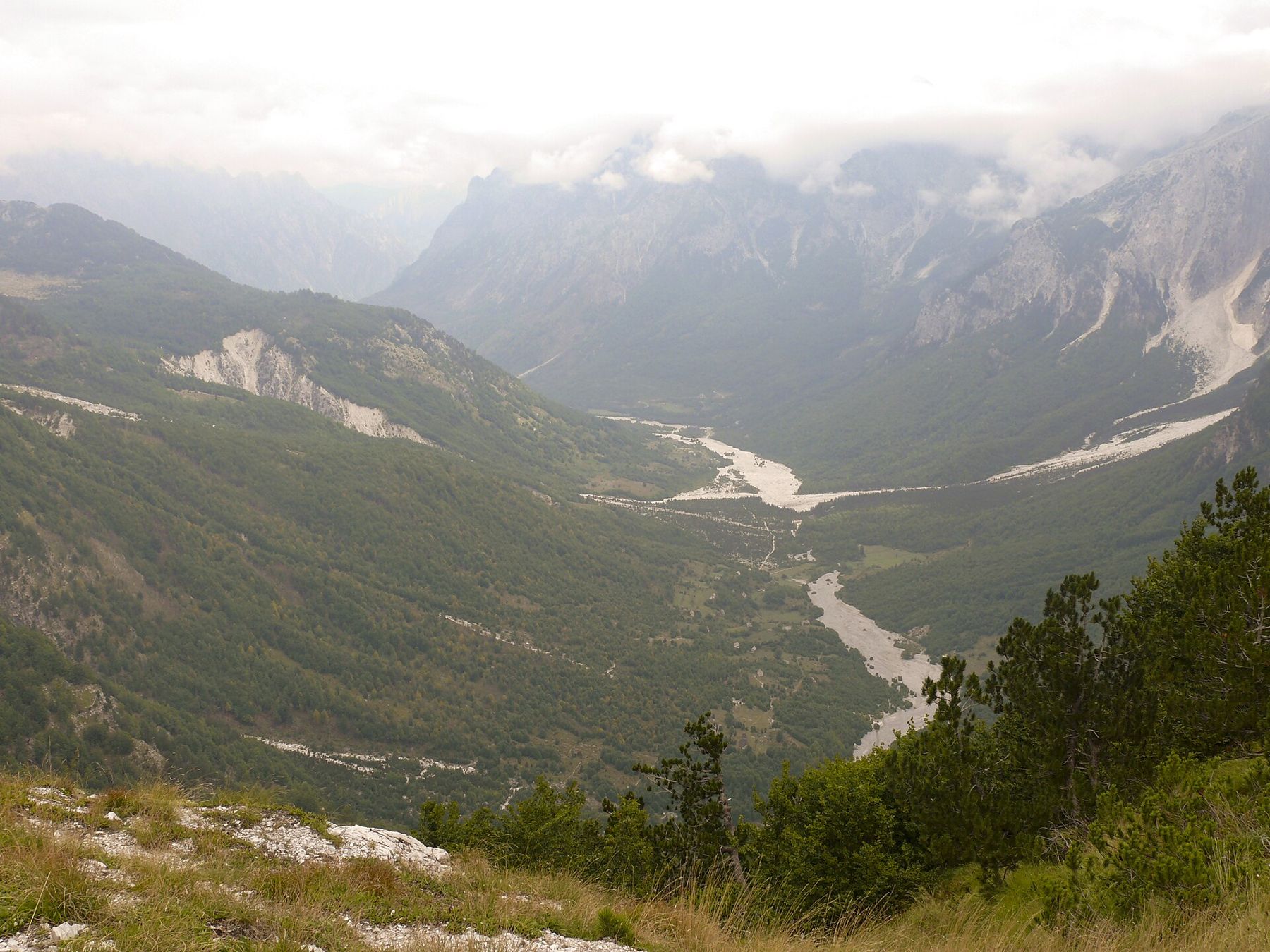
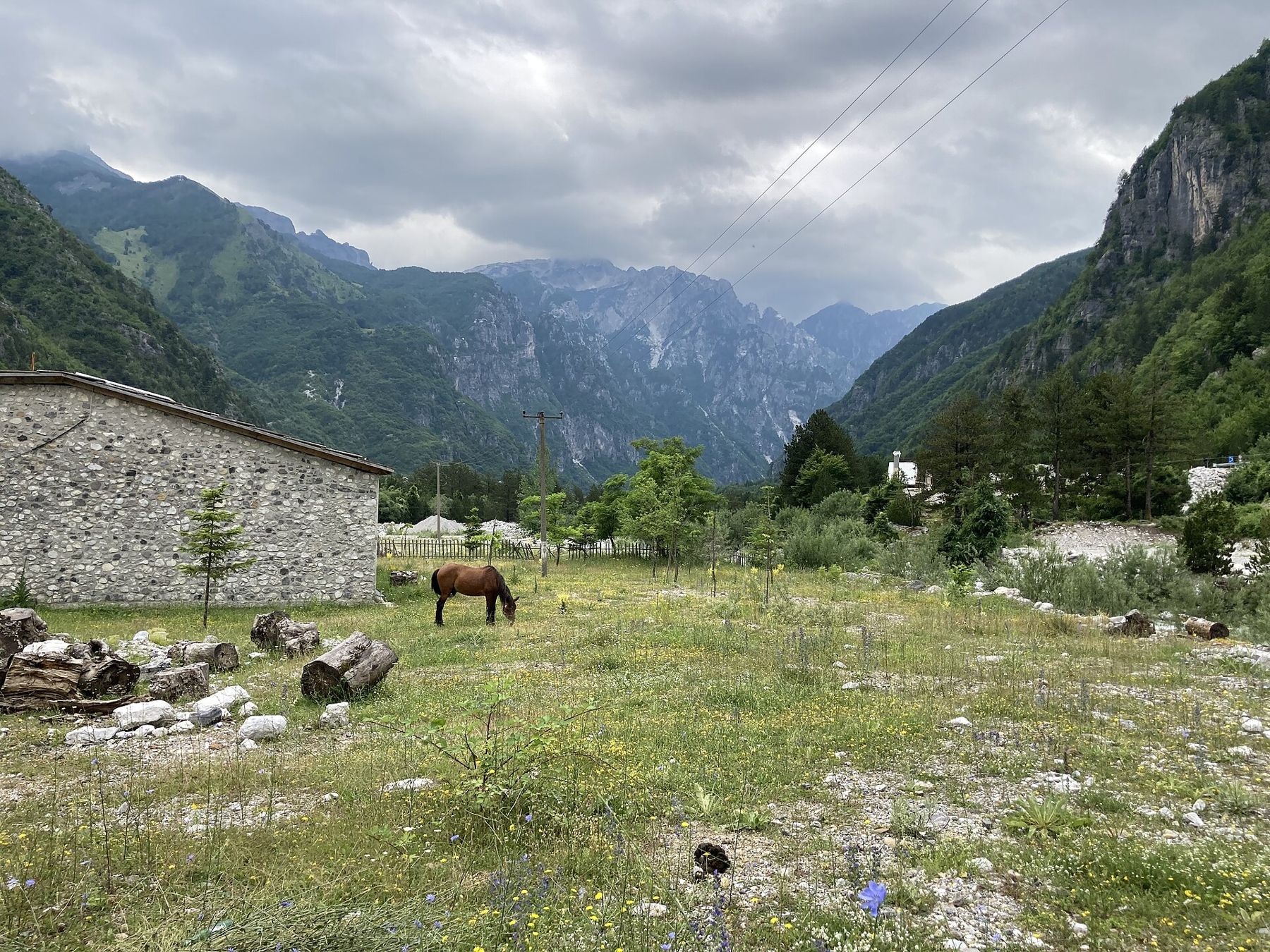
The Valbona valley runs up from the town of Bajram Curri between high limestone walls, with the river braiding through a wide gravel bed. The road follows it up past the scattered guesthouses of Valbonë village and ends near the hamlet of Rragam. Many walkers get a lift this far in the morning to save an hour of road walking.
Fill your water bottles before you leave. There are springs along the route, but in late summer some run low, and on the climb you will drink more than you expect.
The Valbona riverbed
The first stretch crosses and then follows the riverbed itself, a broad expanse of white boulders and gravel. In summer it is usually dry on the surface, with the water running underground, and after rain or snowmelt it can carry streams that need care. The way is marked with red and white paint and with cairns, but in this jumble of stones it is easy to drift, so keep looking ahead for the next marker.
The walking is flat but slow, and in sun the white stone throws back a lot of heat. This is a good stretch to be on early.
The beech forest climb
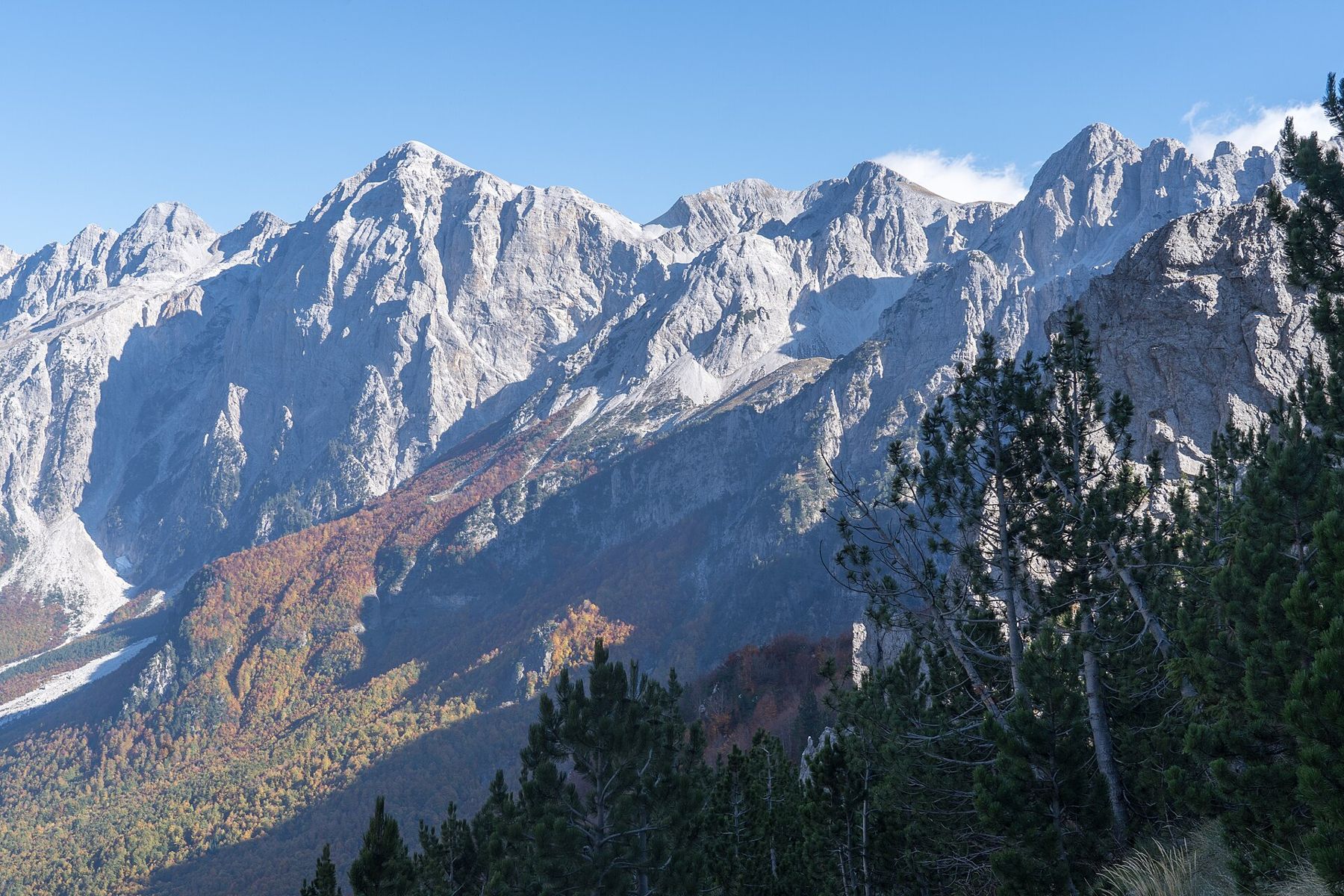
Where the valley narrows, the path leaves the riverbed and starts to climb in earnest through beech forest. The switchbacks are steady rather than brutal, and the shade is welcome. In summer, a seasonal hut on the way up sells drinks and simple food to walkers, and its terrace makes a natural rest stop. It is often the last place on the Valbona side to buy anything, so do not count on facilities beyond it.
Above the forest the trees thin and the path crosses steeper, more open ground with views back down the valley. This last pull to the pass is the hardest part of the day for most people, and the sun on the bare slope can be fierce.
Qafa e Valbonës, the pass
The pass, Qafa e Valbonës, is a narrow col at about 1,800 metres between rocky summits. Behind you lies the long trench of the Valbona valley; ahead, suddenly, the whole Theth valley opens out, with its green floor far below and the jagged peaks of its western rim beyond. It is one of the great views of the Balkans, and everyone stops here.
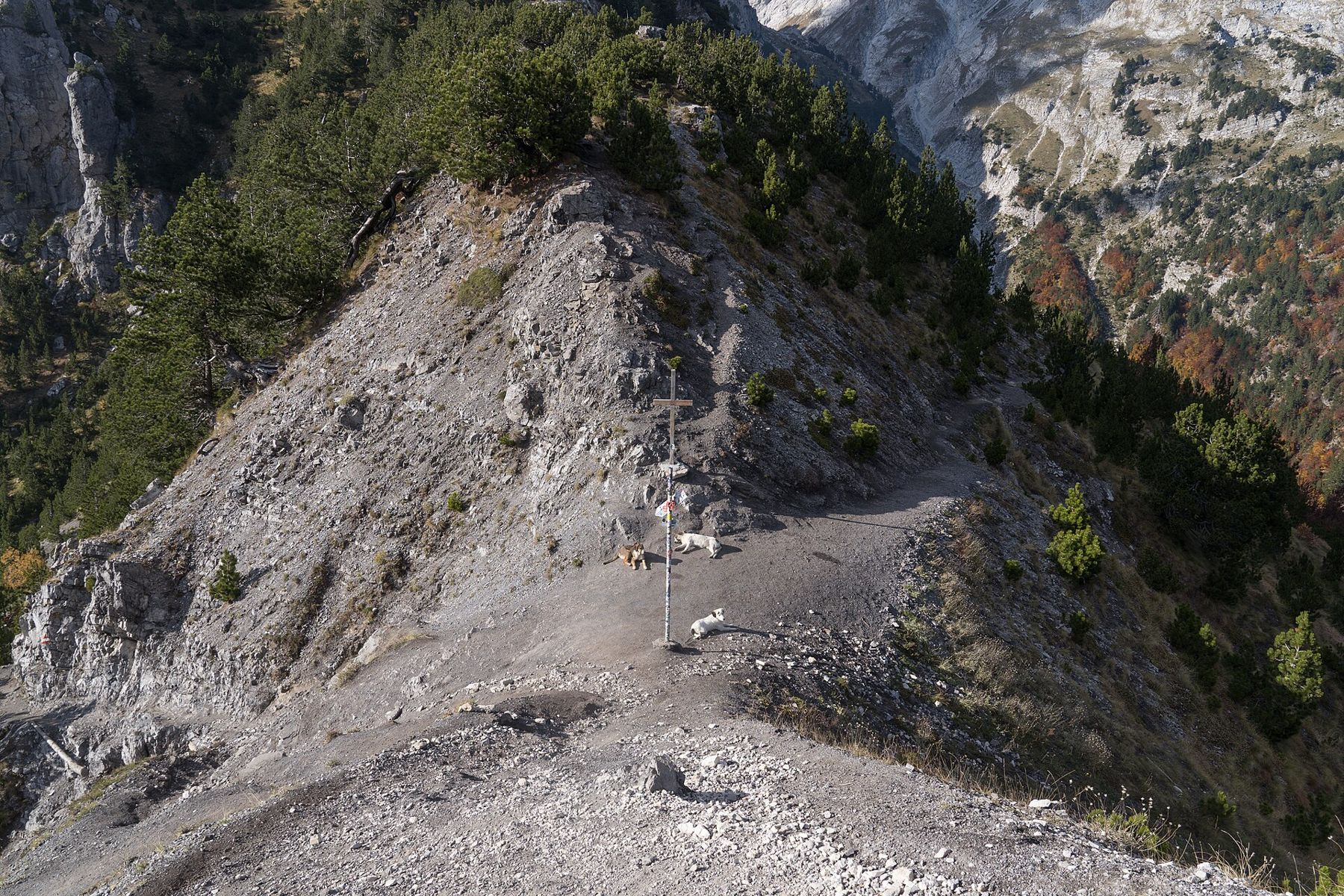
The col is exposed. Wind can be strong and cold even on a hot day, and clouds can roll over it quickly. Put a layer on before you sit down to eat. If the weather is turning, with thunder or thick cloud building, do not linger: storms on the high ground are dangerous, and the descent is long.
Early in the season, snow can lie on and around the pass, especially on the shaded Theth side. If there is snow, the path can be hard to find and slippery, and this is when a guide earns their fee.
 Read nextTheth, at the end of the road
The descent through the Theth woods
The way down into Theth is longer and steeper than the way up from Valbona, and it is where tired legs suffer. The path drops in tight zigzags over loose stone and then into beech woods, where roots and leaf litter make it slippery after rain. Walking poles help a great deal here.
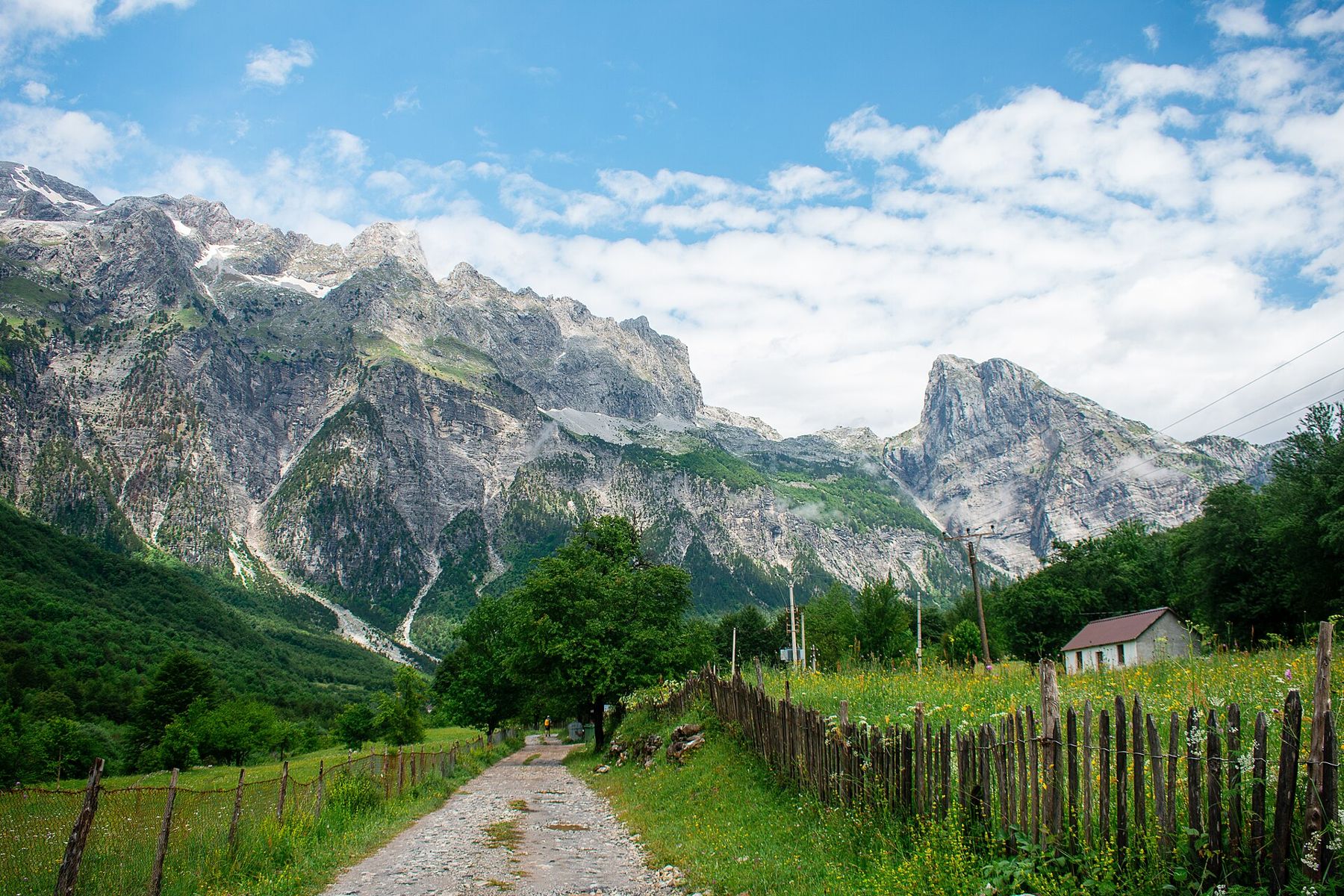
Partway down, a seasonal café usually offers a welcome drink. Below it the path eases, the woods open into meadows and orchards, and the first houses of Theth appear. Here and there a stream crosses the path; it is clean-looking, but treat or filter water from any open source.
Theth, the church meadow
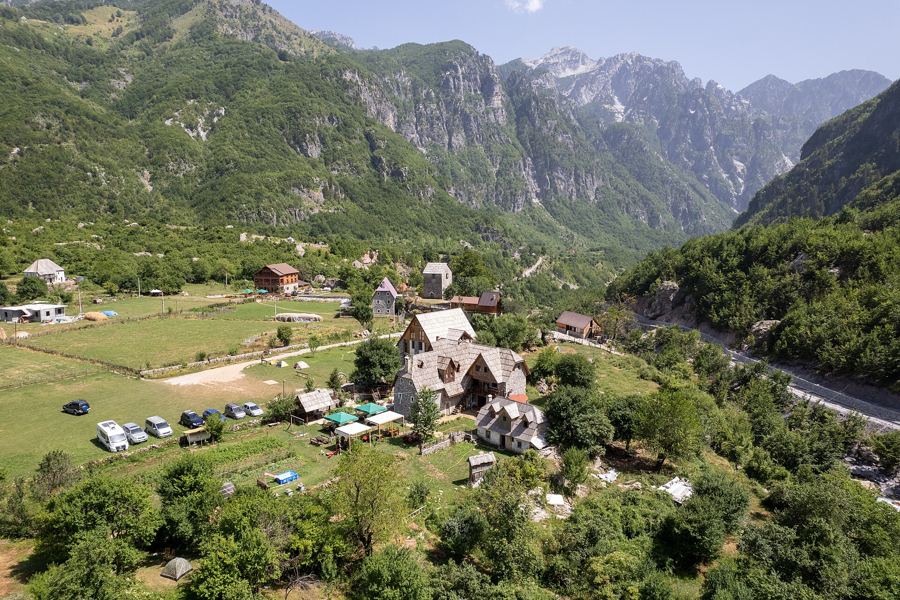
The path comes out among the scattered houses of the upper valley and leads down to the valley floor near the old stone church, standing alone in its meadow. Most walkers head straight for their guesthouse, a hot shower and a cold drink. Our story on Theth covers the valley itself: the church, the lock-in tower, the Grunas waterfall and the Blue Eye. Stay at least one more night if you can, and give your legs a rest day there.
Planning the walk
Direction. Valbona to Theth is the usual way, and the climb from Valbona is the gentler side. Walking from Theth to Valbona works too, with a steeper ascent and an easier descent. Either way, it is a full day: start early, ideally by seven in summer, and allow six to eight hours with stops.
Fitness. This is a long mountain day with roughly a thousand metres of climbing and more of descent, on rough ground. Anyone fit and used to hill walking can manage it; it is not a stroll, and people do get into difficulty, usually through starting late, carrying too little water or ignoring the weather.
Weather and season. The usual season runs from June to October. Earlier, snow can make the pass dangerous; later, days are short and the weather unsettled. Summer brings afternoon thunderstorms, so aim to be over the pass by early afternoon. Check the forecast the evening before and ask your hosts.
Water and kit. Carry at least two litres, more in hot weather. Bring food, a warm layer and a waterproof, sun protection, a basic first aid kit, a charged phone with an offline map, and boots with good grip. Mobile signal is unreliable on parts of the route.
Guides. The path is marked and busy in high summer, and many people walk it without a guide. Early and late in the season, in poor weather, or if you are unsure of your navigation, hire one; guesthouses at both ends can arrange it.
Getting there and back. Most people reach Valbona by the Lake Komani ferry and a road transfer from Fierzë, or by road via Bajram Curri. From Theth, minibuses run down to Shkodër in the walking season. Luggage transfer services carry bags around by road between the two valleys, a long drive, so you can walk with a day pack. Schedules and prices for all of these change, so arrange them through your guesthouse a day or two ahead. Our guide to getting around Albania covers the wider network.
At the end of the day, sitting in the meadow at Theth with the light going off the peaks you crossed that morning, the notch of the pass looks as impossible as it did at dawn. The difference is that you have been there.
Filed under Mountains