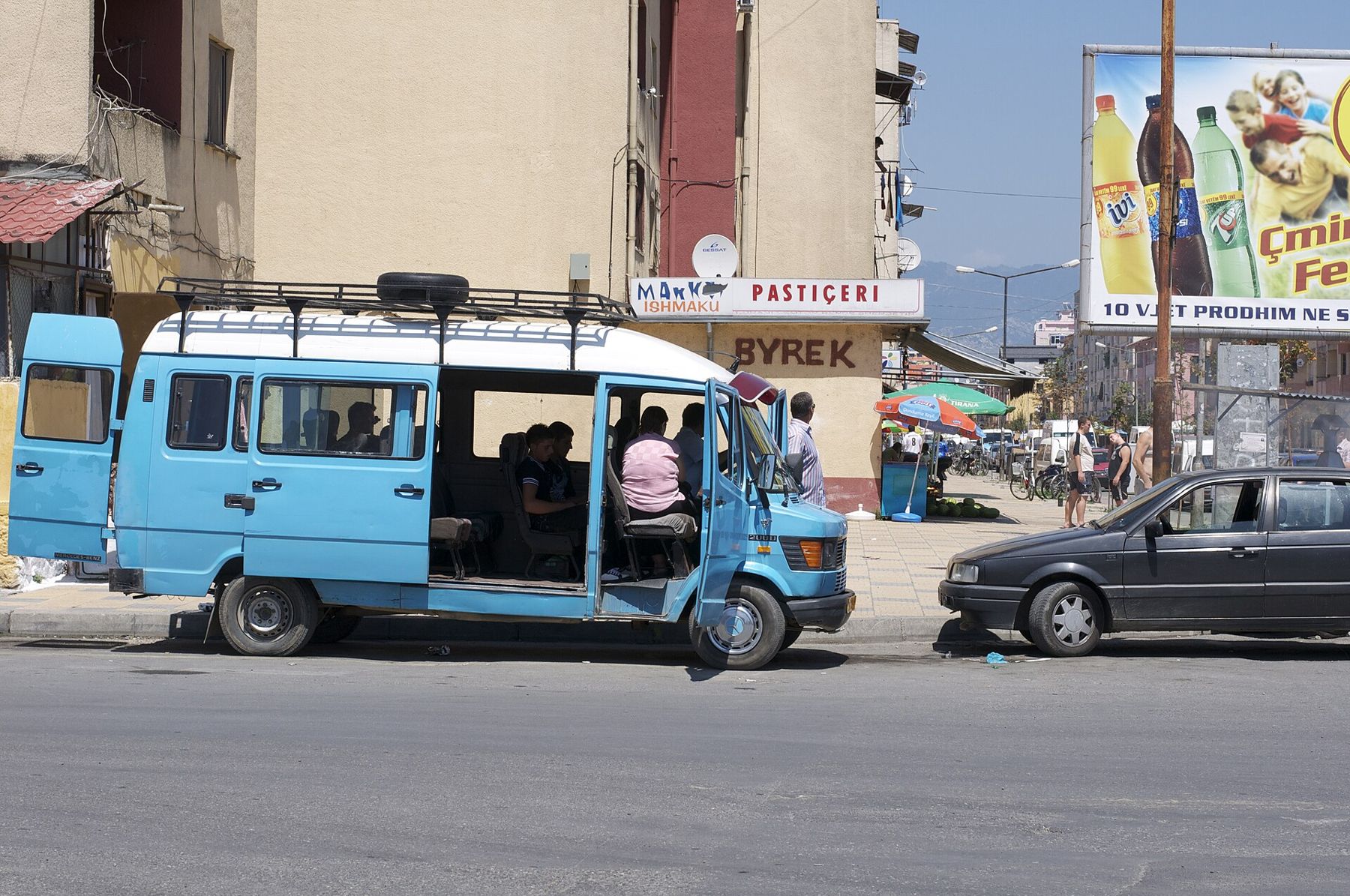
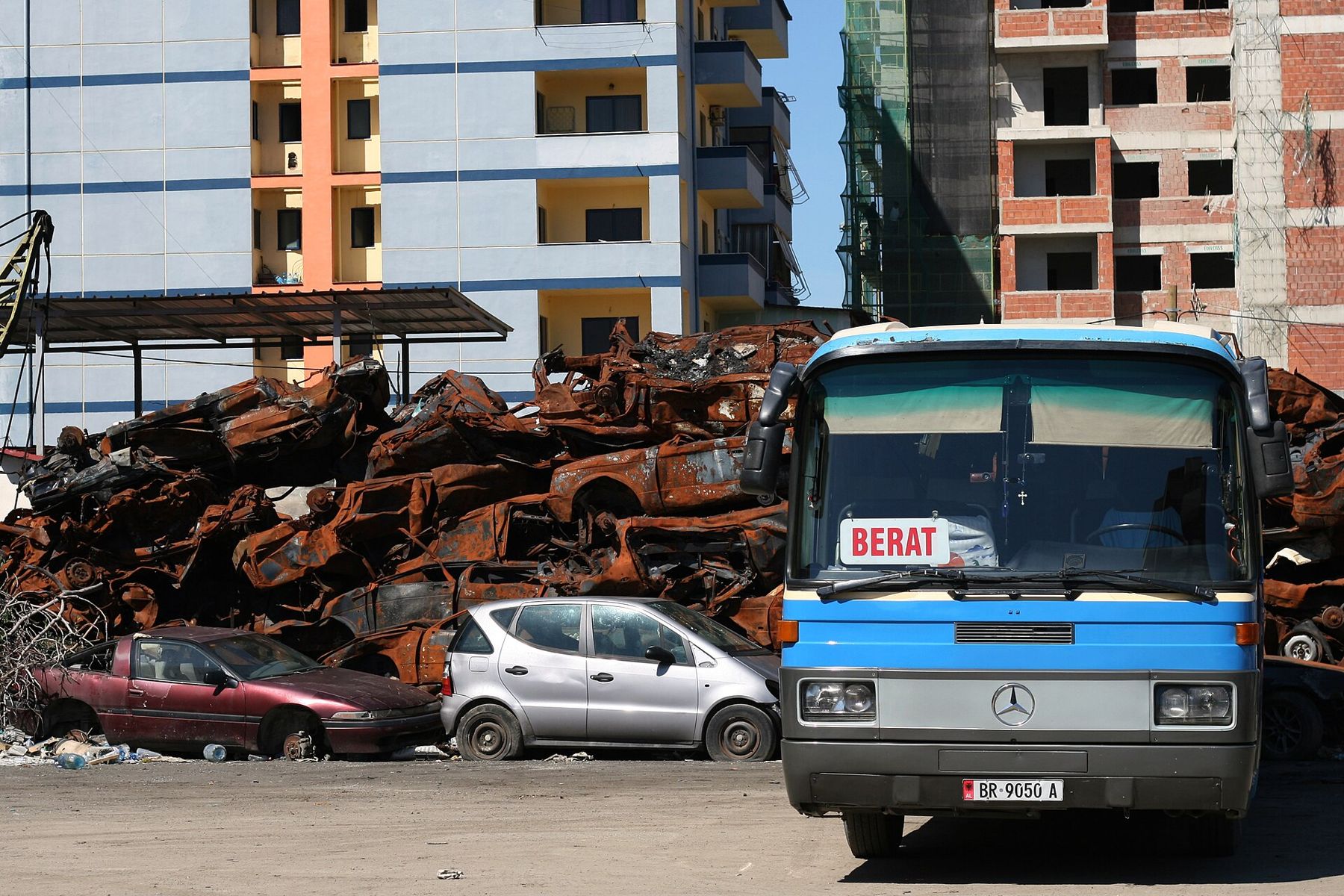
The furgon leaves when it is full. That rule explains a great deal about getting around Albania. The white minibuses wait at the edge of town with the destination on a card in the windscreen, the driver calling the name of the town, and when the last seat is taken, they go. There is a timetable of sorts, but it lives in the drivers' heads and the habits of the passengers more than on any wall.
What is a furgon?
A furgon is a minibus, usually seating a dozen to twenty passengers, that runs between towns and out to villages. Furgons are the backbone of public transport across much of the country. They are cheap, frequent on busy routes and the only option on many smaller ones. They depart mostly in the morning, and on remote routes there may be only one or two a day, often early, so the late afternoon can leave you stranded. Pay the driver or an assistant, usually in cash, on board or when you get off. Drivers will stop for passengers along the road and drop you where you ask.
Where they leave from is the trick. In smaller towns there is usually a recognised spot, often near the main road or the market. Ask at your accommodation the day before and get there early.
How do the big buses work?
Larger coaches run between the main cities: Tirana, Durrës, Shkodër, Vlorë, Berat, Gjirokastër, Sarandë, Korça and others. They are slower than a car and stop often but are comfortable enough for a few hours. In Tirana, long-distance buses have gradually been moved into organised terminals on the edge of the centre, with northern and southern routes using different departure points; some companies still leave from their own offices. Locations and arrangements have changed in recent years and may change again, so confirm the departure point the day before.
Tickets are usually bought on board or from a small office at the terminal. In summer the coastal routes fill up, so arrive early.
What about trains?
Albania once had a modest passenger rail network, but services have shrunk to almost nothing over the years. A new line linking Tirana, the airport and Durrës has been under construction, and other improvements have been discussed. Until those projects open, plan your trip around roads.
How do you get around Tirana?
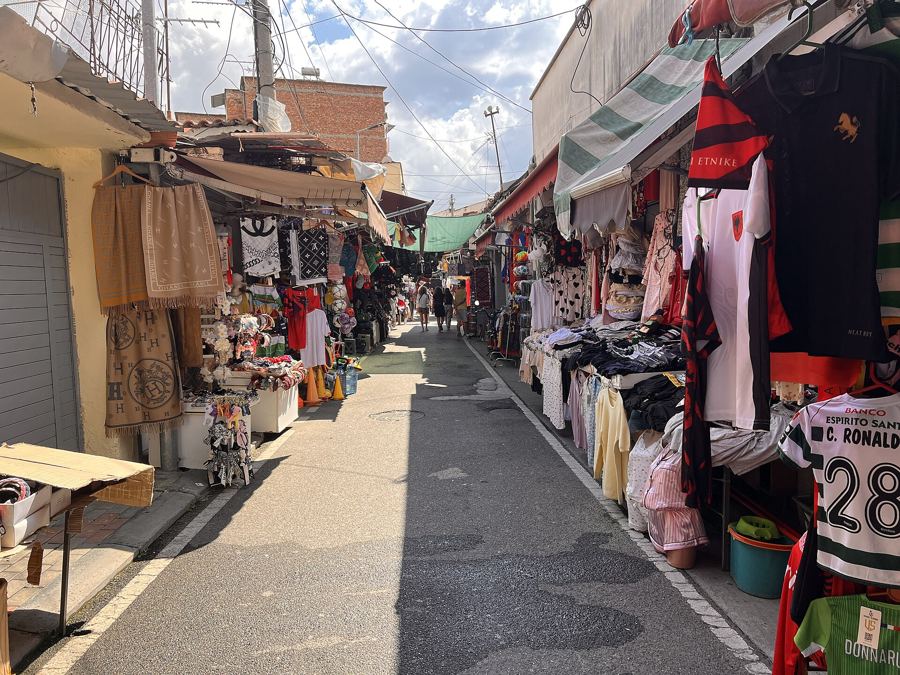
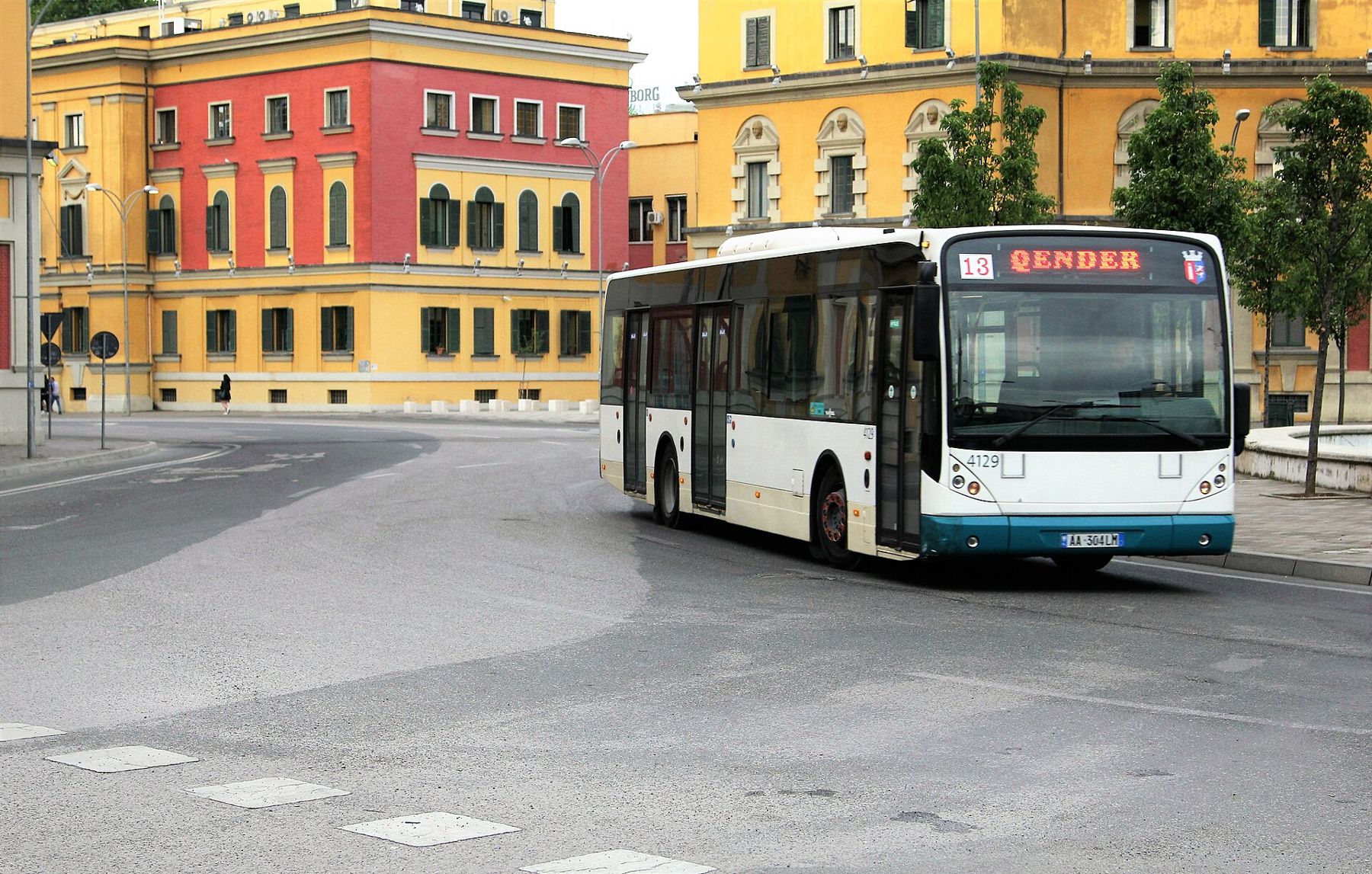
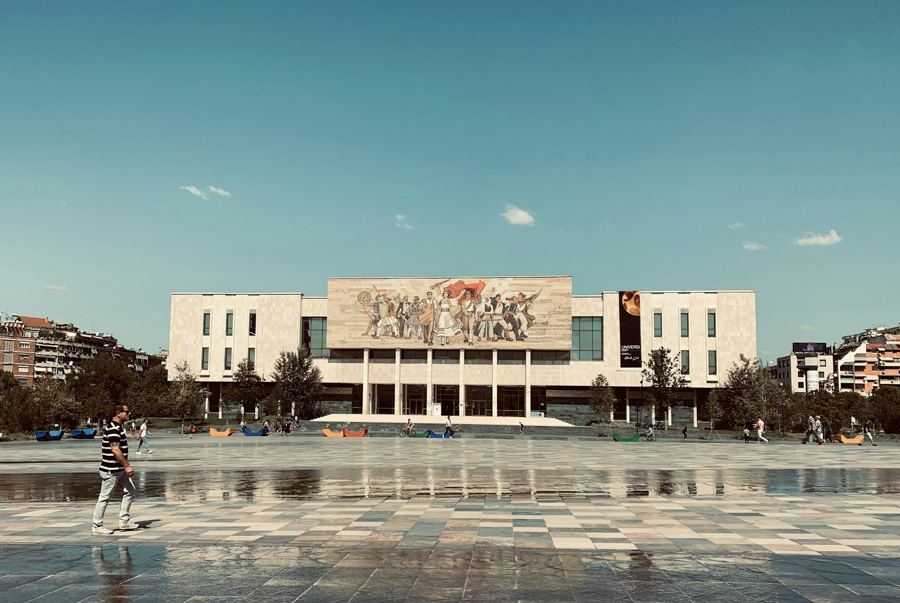
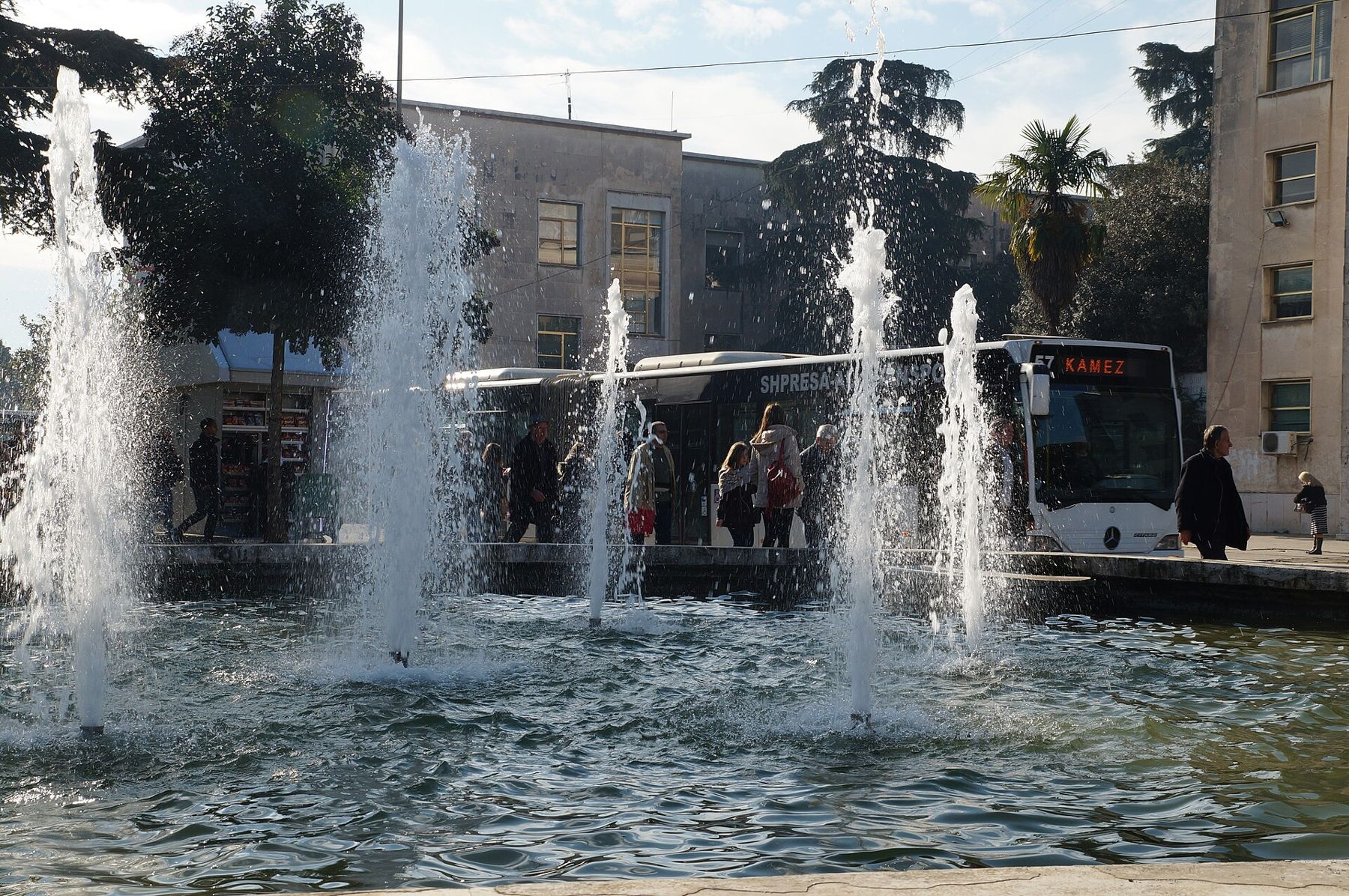
Central Tirana is compact and flat, and walking covers most of it. From Skanderbeg Square to Blloku, the Pyramid and the New Bazaar is a short stroll. The city bus network covers the rest, with routes along the main boulevards and out to the suburbs; you pay a conductor or driver on board. One useful route runs east toward the base of the Dajti Ekspres cable car. Tirana also has a public bike-share scheme and a growing network of cycle lanes, and the traffic is heavy but slow.
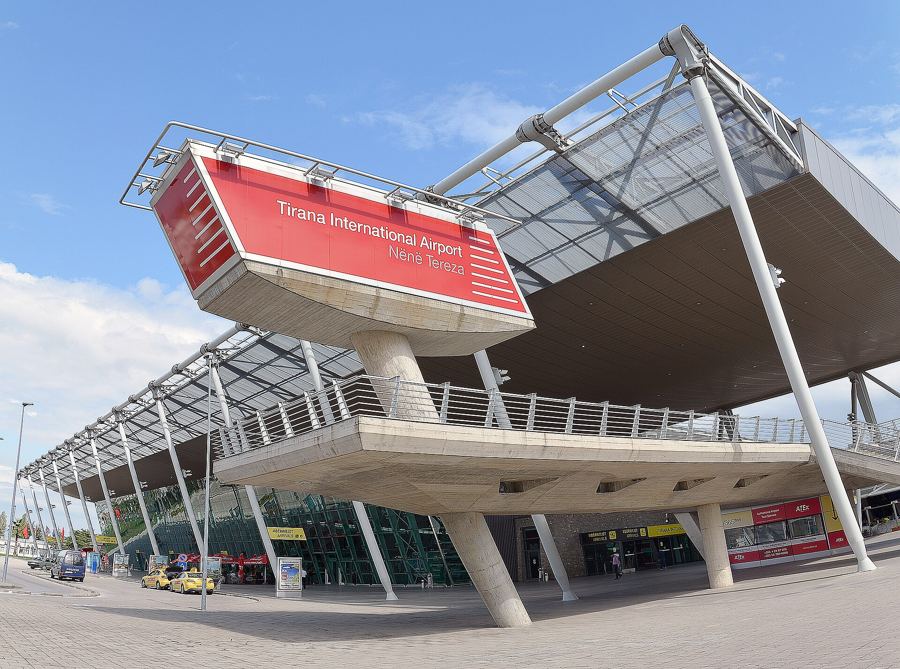
Taxis are plentiful and fairly cheap. Use licensed cars, insist on the meter or agree a price before setting off, and consider a ride-hailing or taxi app if you have one that works locally.
Taxis also work for longer trips. A taxi from Tirana to Krujë or Durrës, or between neighbouring towns, can cost less than you expect when shared between three or four people, and drivers will often wait while you look around. Agree the price, the waiting time and the return before you set off.
 Read nextWhere to stay in Tirana: the areas compared
Is driving a good idea?
Often, yes. A car opens up the mountains, the coast and the small villages that buses barely reach. Albania drives on the right. The main highways, including the motorway toward Kosovo, the roads between Tirana and Durrës and the southern routes, are generally good. The coastal road along the Riviera is spectacular, slow and in places very steep.
Expect a different rhythm. Roundabouts are negotiated rather than ruled, overtaking can be bold, and animals, cyclists and pedestrians appear on rural roads. Speed limits are enforced with cameras and police checks. Allow more time than the map suggests: a hundred kilometres can take an hour on a highway and three in the hills.
Car hire is available in Tirana and at the airport, and in summer also on the coast. Check what insurance covers, especially if you plan to cross a border.
What are the mountain roads like?
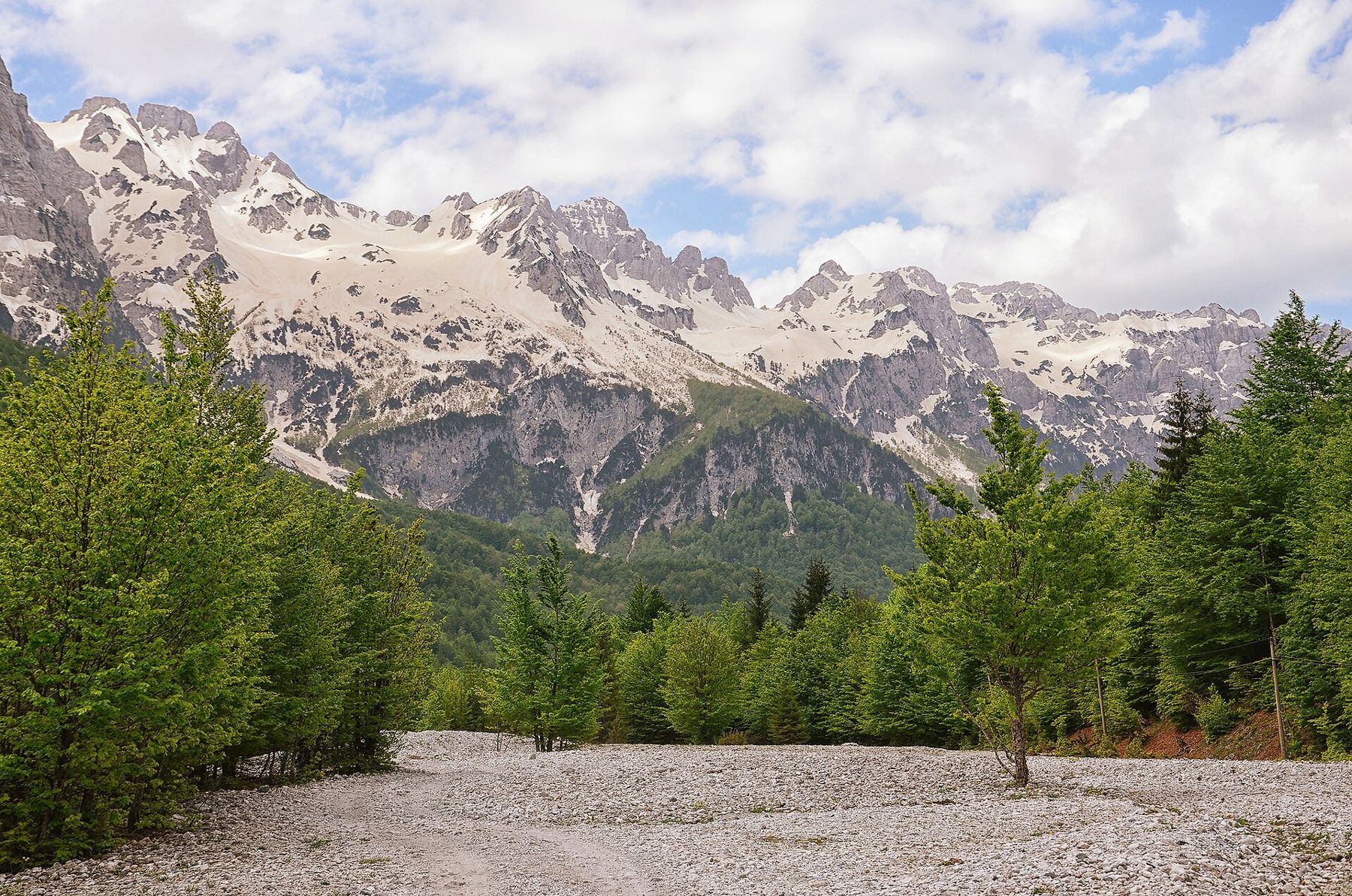
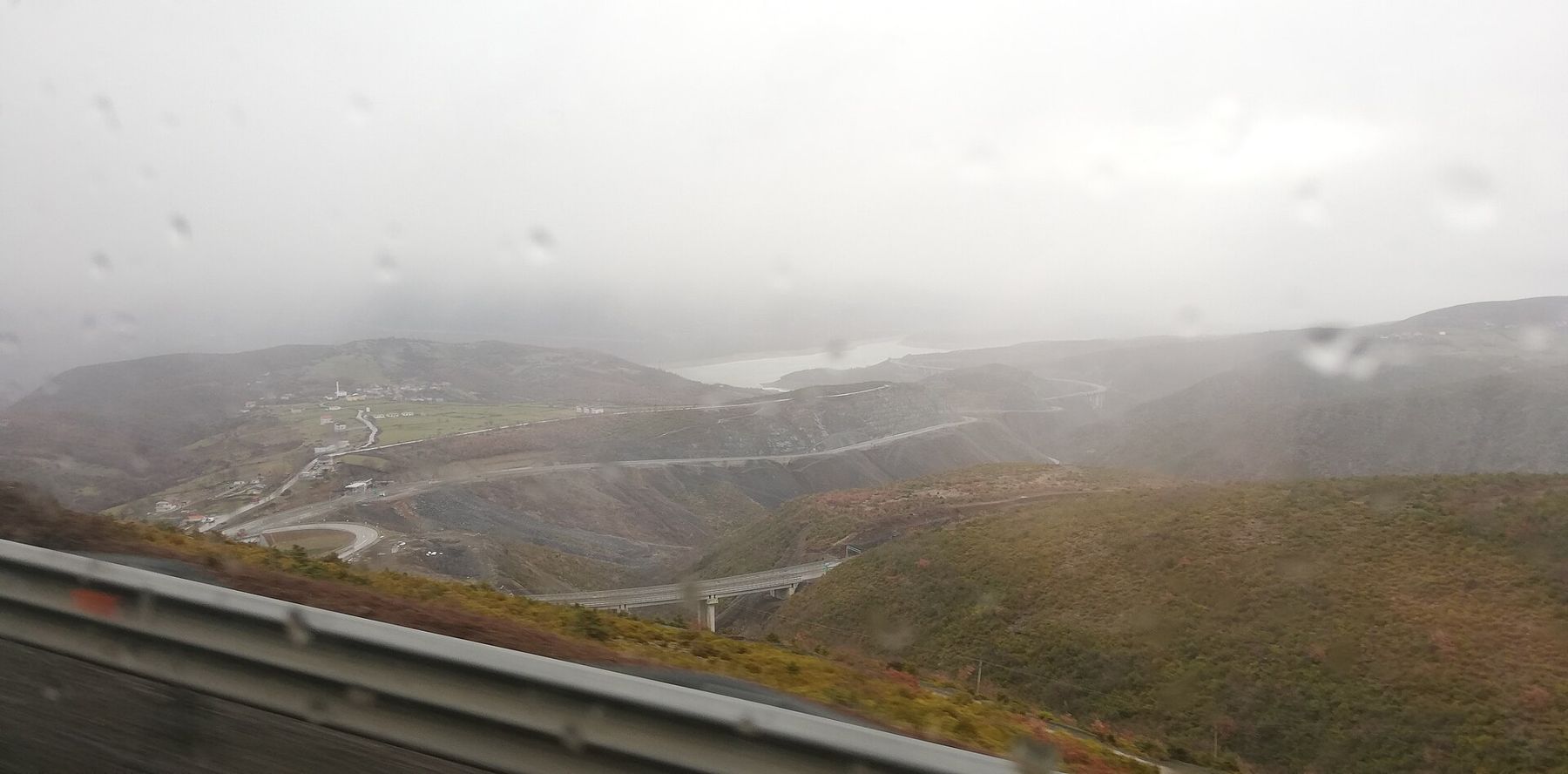
They have improved a great deal. Roads to Theth, to the Valbona valley and through many southern passes have been rebuilt or paved in recent years, but conditions still vary with the season. Landslides, roadworks and snow can close or slow a route, and a short section of rough surface can turn a quick drive into a slow one. In winter, the high passes can be closed altogether.
For the far north, many travellers combine a furgon, the Lake Komani ferry and another minibus rather than driving the whole way. Local drivers in 4x4s also run shuttle services to valleys like Theth.
Can you rely on schedules?
Not completely. Furgon times change with the season, the demand and the driver. Bus timetables are rarely posted online. Ferries, including the boat across Lake Komani, run more often in summer and less or not at all in winter. The best information comes from asking: your accommodation, a café near the departure point, or the driver himself.
The habit worth adopting is to plan by the day rather than by the hour. Travel in the morning, keep a buffer before flights and ferries, and have a fallback in mind. A taxi between towns is an option when the last furgon has gone.
What about bicycles and walking?
Cycling is growing, especially in Tirana and in flat Shkodër, where bicycles have long been an everyday way to get around. Touring cyclists ride the coast and the southern valleys, though traffic and hills make it hard going. Long-distance hiking is popular in the northern mountains, where trails such as the Valbona to Theth pass link villages that roads reach only slowly.
Whichever way you move, the country rewards patience. Sit at the front of the furgon if you can. The view through the windscreen on a mountain road is half the journey.
Filed under Practical