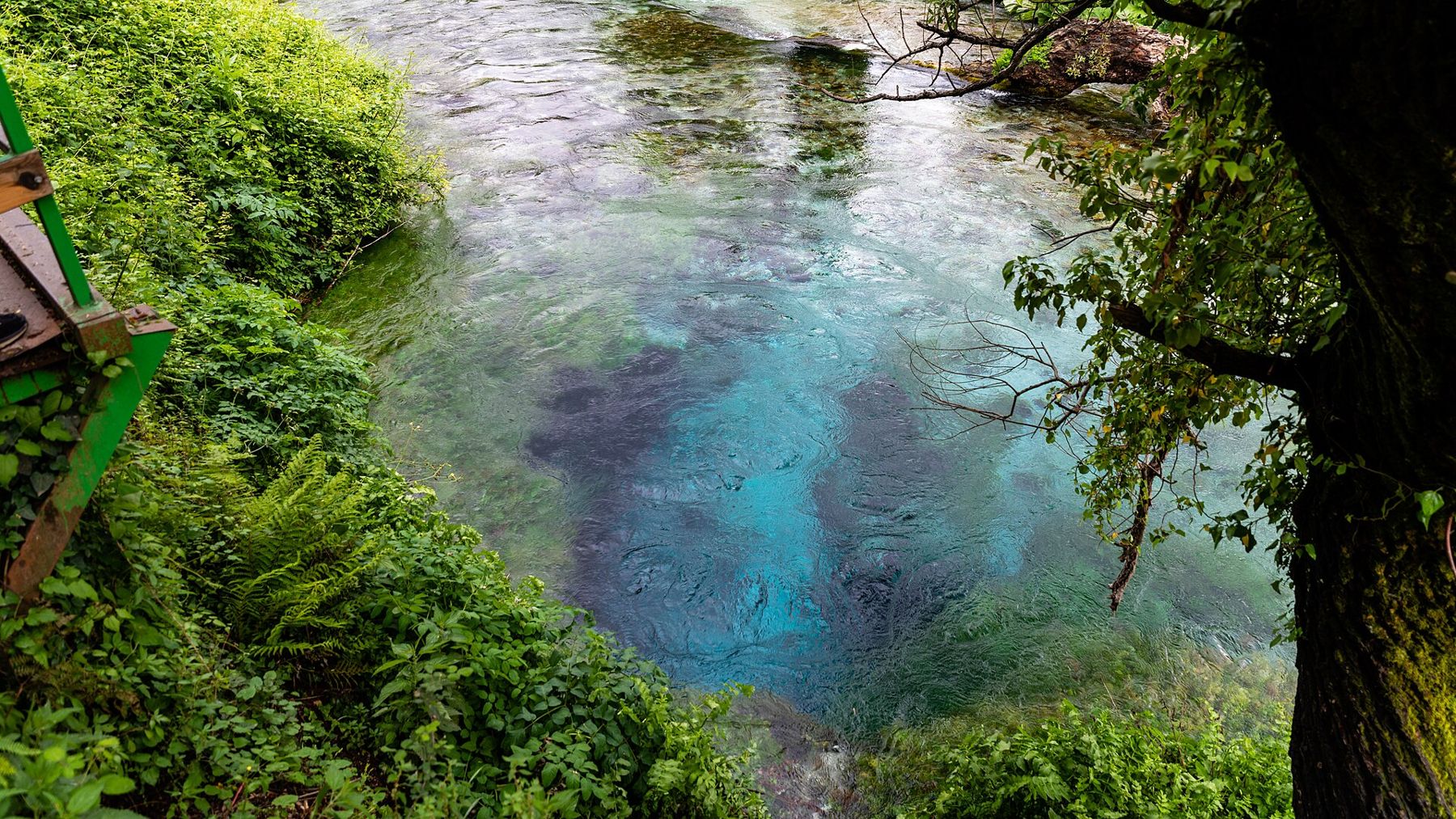
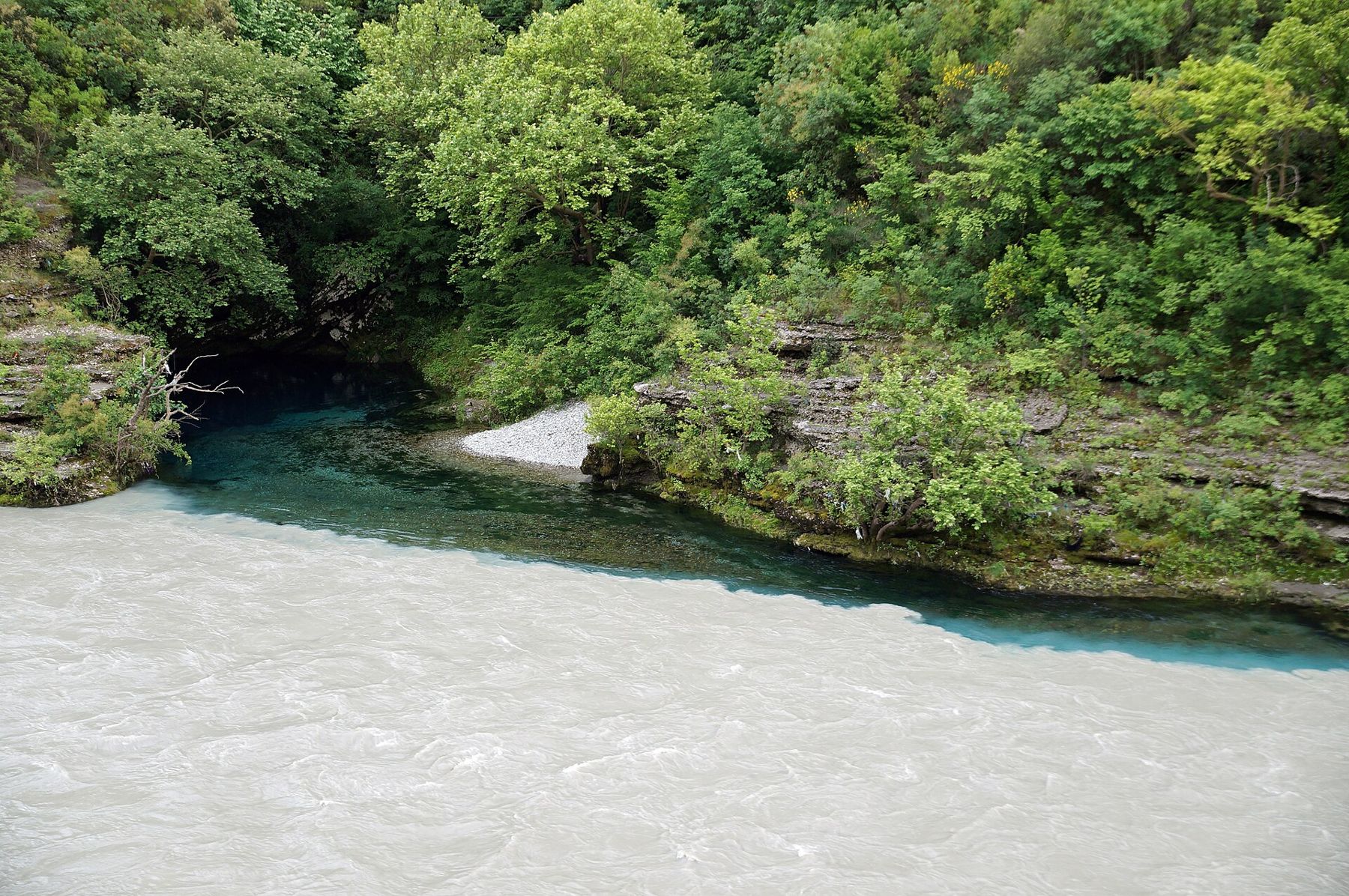
In late May the water of the Blue Eye spring is impossibly blue, the plane trees around it are in full leaf and the car park is half empty. Come back in August and the same spot is crowded, the path is shoulder to shoulder and the cafés are full. Albania changes enormously with the seasons, and when you go shapes the trip almost as much as where.
What is the climate like?
Albania has a Mediterranean climate on the coast and in the lowlands, with hot, dry summers and mild, wet winters. Inland and in the mountains, winters are colder and snowier, and summers cooler at altitude. Most of the rain falls between October and April, often in heavy bursts. The difference between the coast and the high mountains, only a few hours apart by road, can be dramatic: a beach day in Sarandë and snow on the passes near Theth can happen in the same week in spring.
When is the coast at its best?
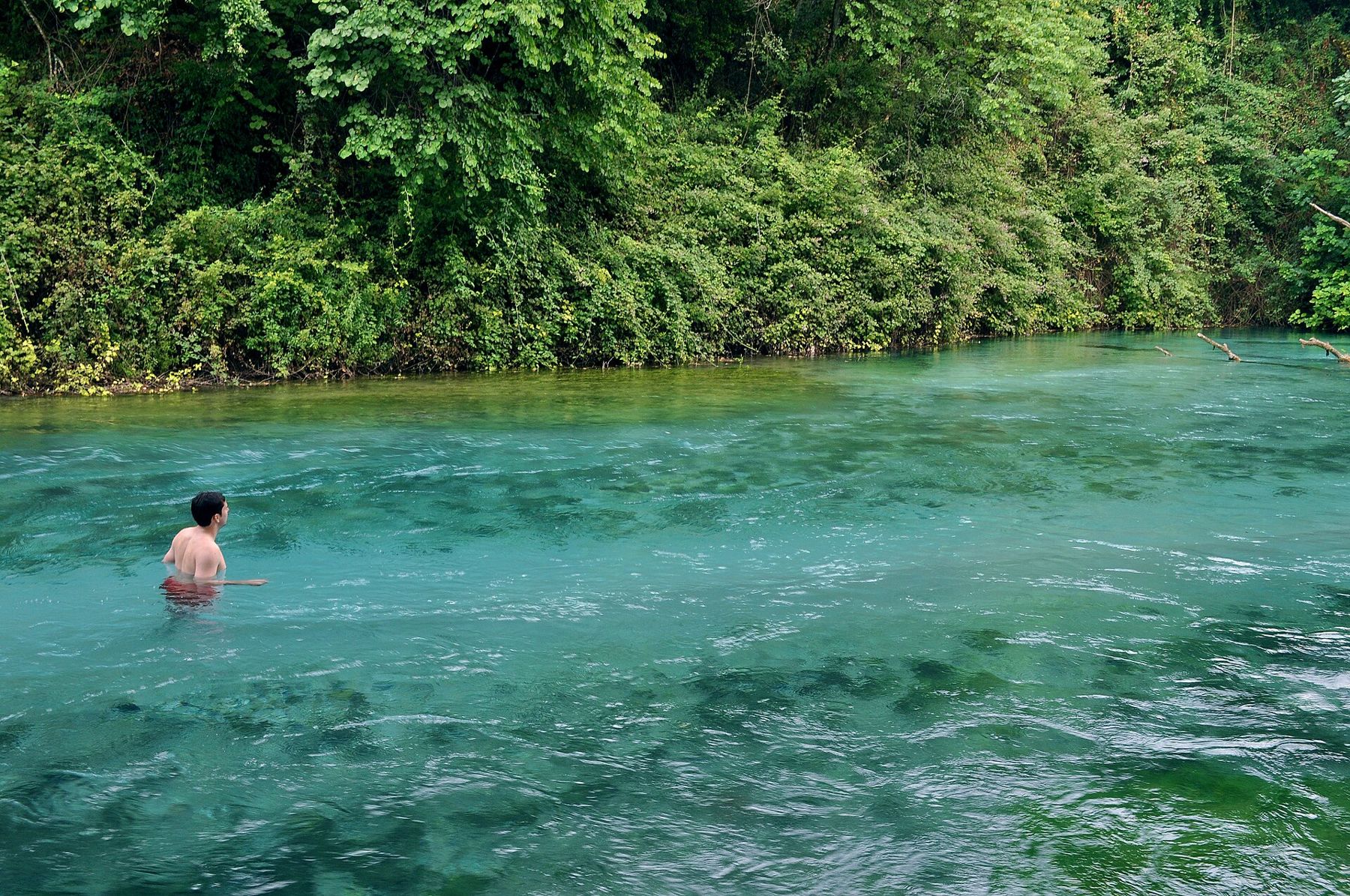
June and September. In both months the sea is warm enough for long swims, the days are long and sunny, and the beaches are much quieter than in high summer. Late May and early October can also be lovely, with warm days, cooler evenings and some places beginning to open or close. September has the advantage of sea water warmed by the whole summer.
Between November and April, the Riviera and Ksamil are quiet and many seasonal businesses close. The towns, the ruins of Butrint and the coast road are still there and can be wonderful, but swimming is for the brave.
How bad is August?
Busy. July and August are high season on the coast. Albanians from Kosovo, North Macedonia and the diaspora come home or come to the sea, and international visitors arrive in large numbers. Beaches at Ksamil, Dhërmi and Durrës are packed, traffic on the coast road slows, and prices for rooms rise sharply. Booking well ahead is essential.
August has its pleasures, too: long warm evenings, busy promenades and a real festive atmosphere. If you go then, start the day early, find the smaller beaches, and plan your inland sightseeing for the heat of the afternoon, when the air-conditioned museum or the cool mountain is a relief.
When can you hike in the mountains?
The main hiking season in the northern Alps, around Theth and Valbona, runs roughly from June to September. Snow can linger on high passes into June, and early autumn is often the best time of all, with clear air and turning leaves. Guesthouses in the valleys open with the season and many close in winter. The Lake Komani ferry also runs more frequently in summer.
The southern mountains, such as those around Gjirokastër and Përmet, have a slightly longer season, and spring and autumn walking there is excellent. In winter, Mount Dajti above Tirana often has snow, and the high passes can close.
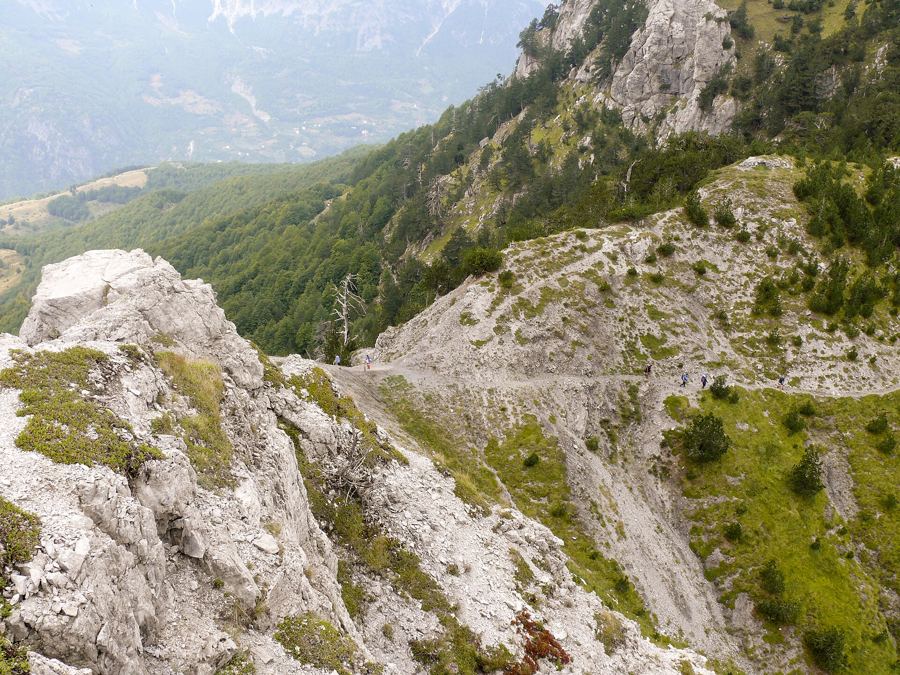 Read nextOver the Valbona Pass, from Valbona to Theth
When is Tirana pleasant?
Spring and autumn. From April to early June and from September to November, the capital is warm, green and comfortable for walking. In July and August, temperatures in Tirana are often very high, the afternoon heat is heavy, and life shifts into the evening, when the cafés and parks fill. Winter is mild compared with much of Europe, with grey and wet spells but also bright, cool days, and the city keeps its café life all year.
When are the rivers and waterfalls at their best?
In spring. Snowmelt and rain fill the rivers and springs from March to May, so waterfalls are full and rafting is possible on the Osum, where the canyon season is short and depends on water levels. By late summer, many rivers run low and some waterfalls thin to a trickle. The Blue Eye and other springs flow all year.
Are there festivals worth timing a trip around?
A few dates stand out. Dita e Verës, the Summer Day, on 14 March, is an old spring festival celebrated especially in Elbasan, with a special sweet called ballokume. Independence Day falls on 28 November, marking the declaration at Vlorë in 1912, with flags in every town. Religious holidays are shared: both Christmas and Easter, by Catholic and Orthodox calendars, and the two Bayrams are public holidays. In summer, towns host music, film and folk festivals, with dates that change each year.
Is winter worth it?
For some travellers, yes. Winter brings low prices, empty museums and the towns of Berat and Gjirokastër without crowds. The coast is quiet and mild, and Tirana is lively. The drawbacks are rain, short days, closed seasonal businesses and the possibility of snow on the mountain roads. Public transport also thins out.
Snow on Dajti, visible from the centre of Tirana on a clear winter morning, is one of the finest sights the capital offers, and the cable car runs in most weather.
What should you pack?
It depends on the mix. For a summer trip that combines the coast and the mountains, bring beach clothes and a warm layer: nights in Theth or on Dajti can be cool even in July, and storms build quickly in the afternoon. In spring and autumn, pack for both warm days and rain, with shoes that can handle wet cobbles in Berat and Gjirokastër. In winter, a waterproof jacket matters more than a heavy coat on the coast, while the mountains need proper cold-weather gear. Sun protection is essential from May to September everywhere.
A light scarf or long layer is useful in any season for visiting mosques, churches and monasteries.
So when should you go?
For a trip that mixes city, history and coast, late May to June or September to early October is hard to beat. For hiking, aim for late June to mid-September. For the capital and the old towns, spring and autumn. Avoid August if crowds bother you, and accept its energy if they do not. Whatever the month, see the week-long loop for a route, and the Riviera guide if the sea is the point.
Filed under Practical