Albania sits on the Adriatic and Ionian seas with four land neighbours, so there is more than one way in. The airport near Tirana handles most arrivals, but the old sea routes from Italy still run, and a growing number of travellers arrive overland as part of a longer Balkan trip. Timetables, airlines and entry rules all change, so treat what follows as a map rather than a timetable.
Where do most visitors arrive?
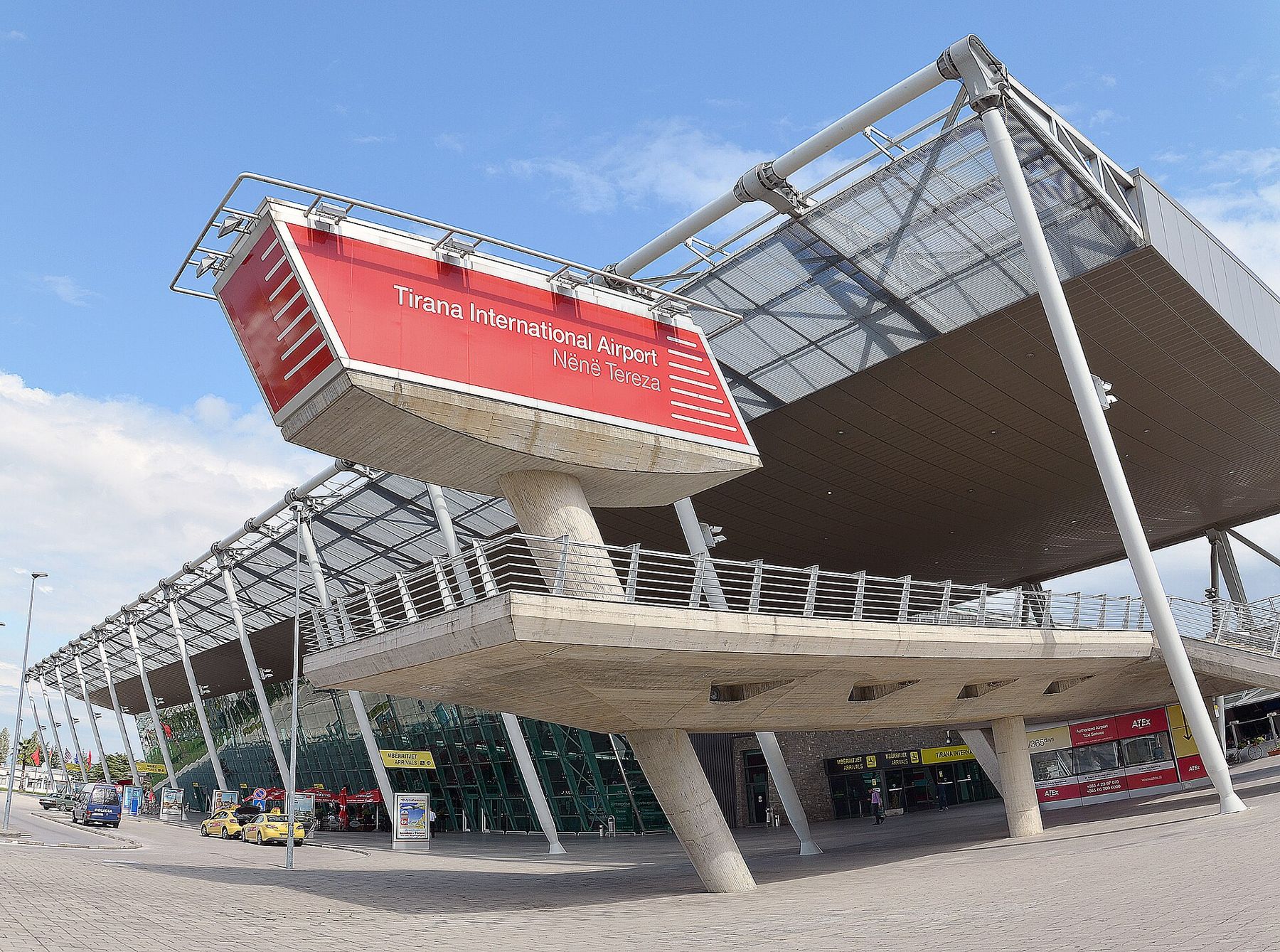
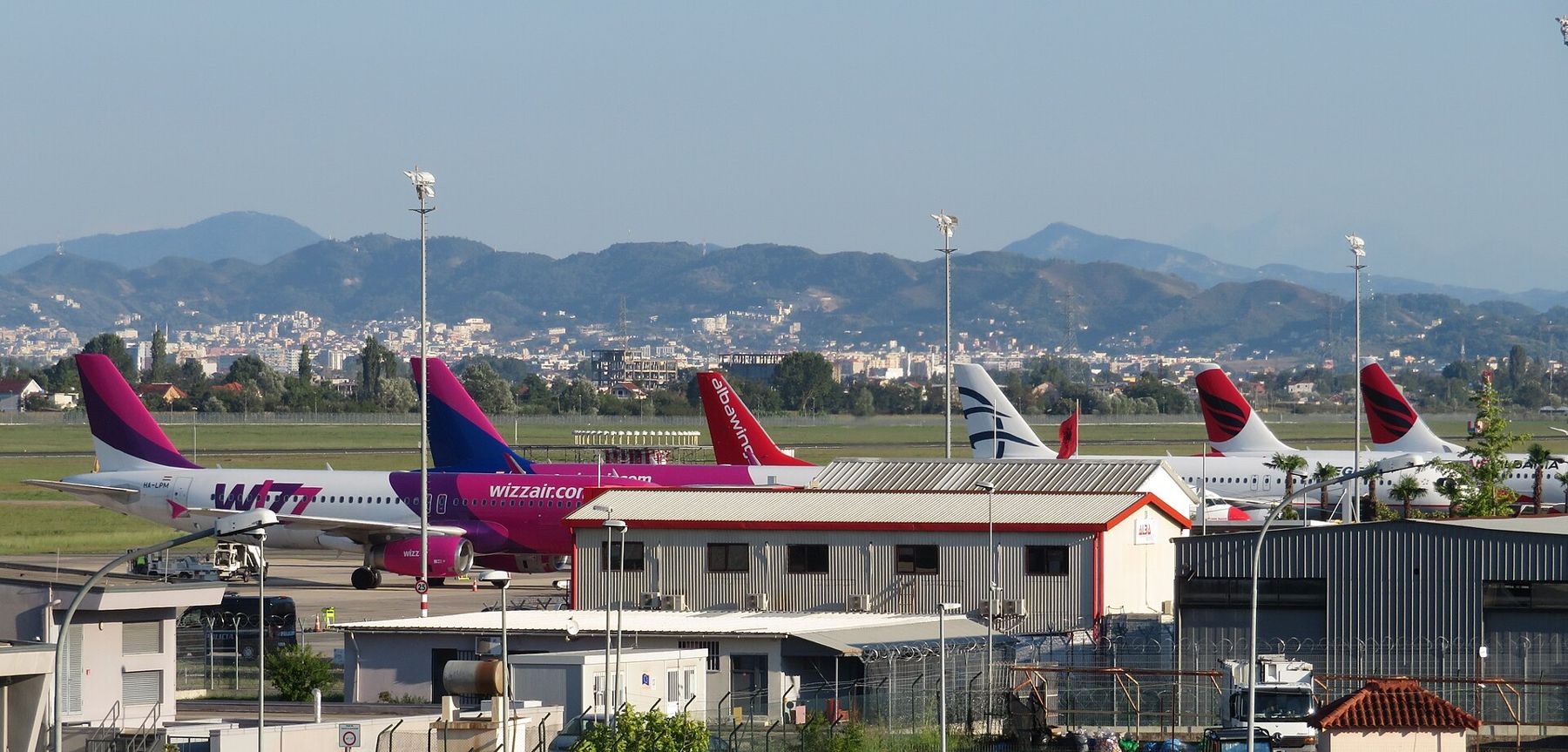
Most arrive at Tirana International Airport Nënë Tereza, named for Mother Teresa, who was of Albanian descent. It lies at Rinas on the flat land northwest of the capital, roughly half an hour's drive from the centre when traffic is light. The terminal has been expanded several times as passenger numbers have grown, and the airport is now served by a mix of national carriers and low-cost airlines with connections to much of Europe and some routes further afield. Which airlines fly from where changes from season to season, so search widely and check again close to departure.
The terminal is compact and arrivals are usually quick, though summer evenings, when many flights land close together, can bring queues at passport control. There are exchange desks, cash machines, mobile phone shops selling local SIM cards and cafés in the arrivals hall. Arriving late at night is not a problem in itself, but public transport thins out, so a taxi or an arranged pickup is the simpler option.
How do you get from the airport into Tirana?
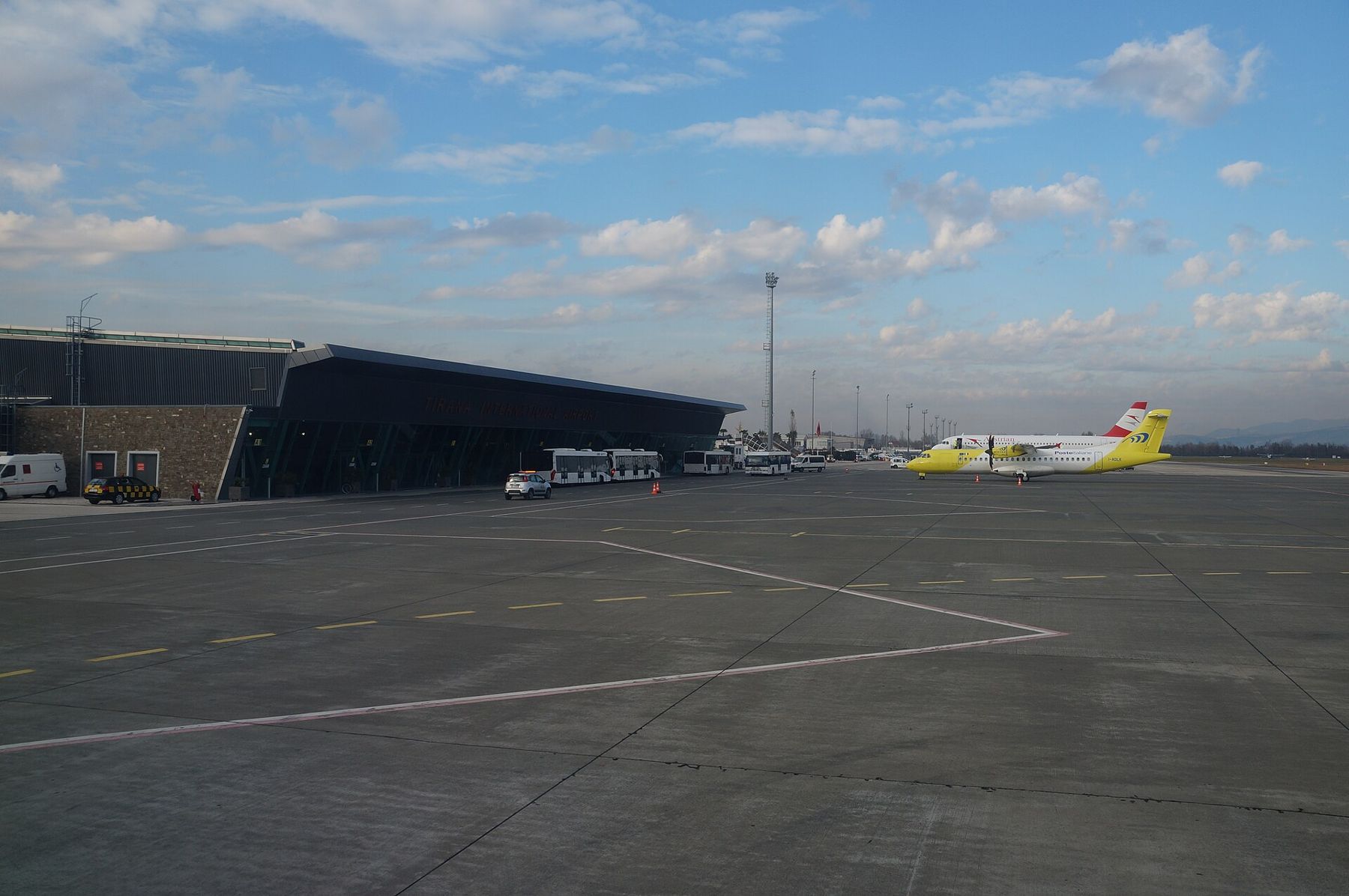
A shuttle bus runs between the airport and the city centre, leaving from outside the terminal and stopping near the main museum district. It is the cheapest option. Taxis wait outside arrivals; agree the price before setting off if there is no meter in use, and expect a fixed price into the city. Car hire desks are in the terminal, and many visitors pick up a car here to drive straight out to the coast or the south. Fares and frequencies change, so check them on arrival.
If you are heading straight for Durrës or the coast, there is no need to go into Tirana at all: the airport sits close to the main road west, and taxis and hire cars can take you directly.
Is there another airport?
Yes. A newer international airport has been built near Vlorë, on the coast to the south, to serve the Riviera and the southern half of the country. Its routes are still settling, and the airlines and seasons it serves may differ from year to year. If your trip is mostly on the southern coast, it is worth checking whether it saves you a long drive from Tirana.
Many travellers heading for the far south also fly to Corfu, in Greece, and cross by boat to Sarandë. Others fly into Podgorica in Montenegro for the north, or into Ohrid in North Macedonia for the southeast, and continue by road.
Can you arrive by ferry from Italy?
Yes, and it is the oldest route of all. Ferries cross the Adriatic from Italian ports to Durrës, Albania's main harbour, and to Vlorë further south. Bari to Durrës is the classic overnight crossing, and there are also sailings from Brindisi, Ancona and other ports, depending on the operator and the season. Summer brings more departures; winter thins them. Crossing times range from several hours to an overnight voyage. Taking a car is common. Durrës port is close to the city centre, and Tirana is a short drive or bus ride inland.
Check the operators directly. Routes are added and withdrawn, and timetables change between seasons.
 Read nextKsamil and Butrint, two faces of the far south
What about Corfu to Sarandë?
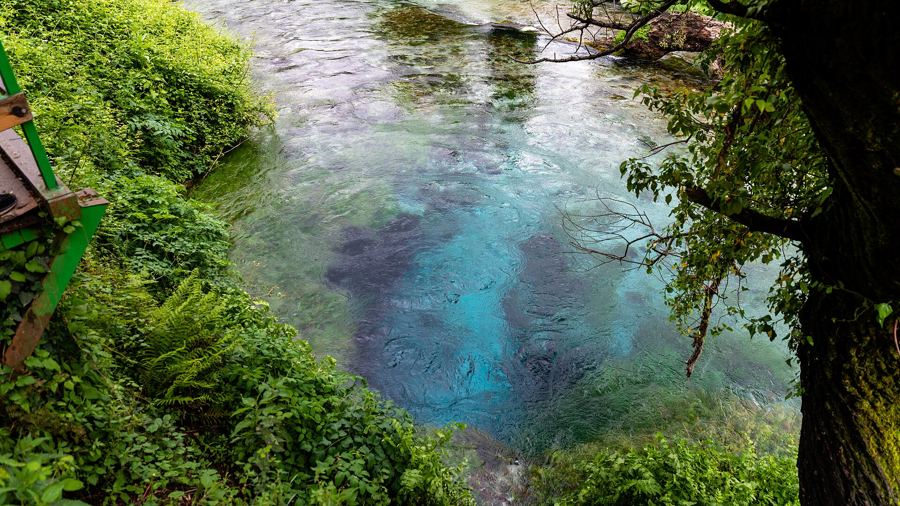
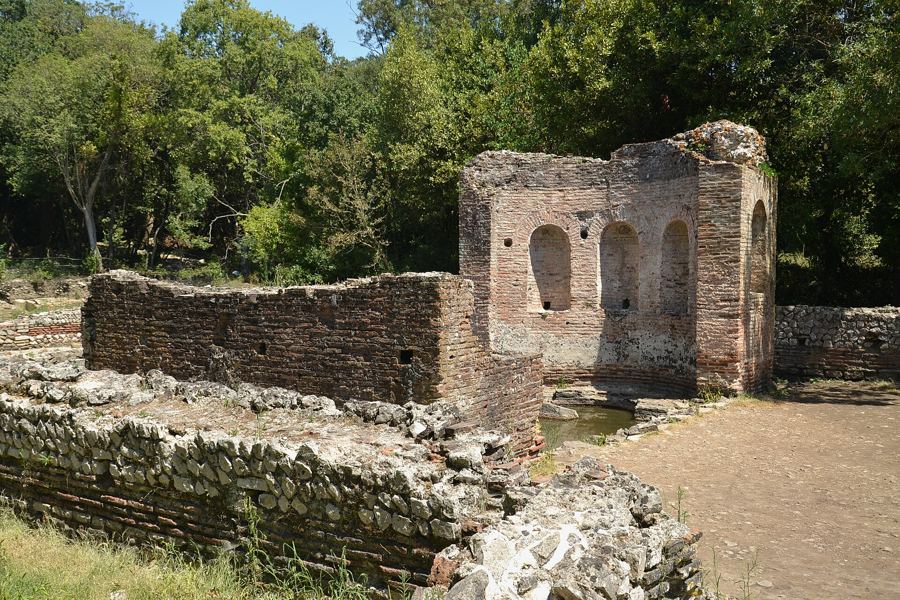
The short crossing from Corfu Town to Sarandë is one of the easiest ways into southern Albania. Fast boats make the trip in under an hour in good weather, and slower ferries also run. Sailings are most frequent in summer and fewer in winter. From Sarandë, the ruins of Butrint, the beaches of Ksamil and the Blue Eye spring are all within easy reach, so the crossing works well for a trip focused on the south.
Which land borders can you use?
Albania has road crossings with all four neighbours. From Montenegro, the main crossings are north of Shkodër, close to Lake Shkodër, and the drive from Podgorica is short. From Kosovo, the main crossing at Morinë connects to the motorway through the mountains toward Tirana, one of the fastest roads in the country. From North Macedonia, crossings near Lake Ohrid lead toward Pogradec and Elbasan. From Greece, the main crossing at Kakavijë leads to Gjirokastër, with others in the southeast near Korça and in the far south near Konispol.
Some smaller crossings close at night or in winter, and queues can be long in summer and around holidays.
Can you come by bus?
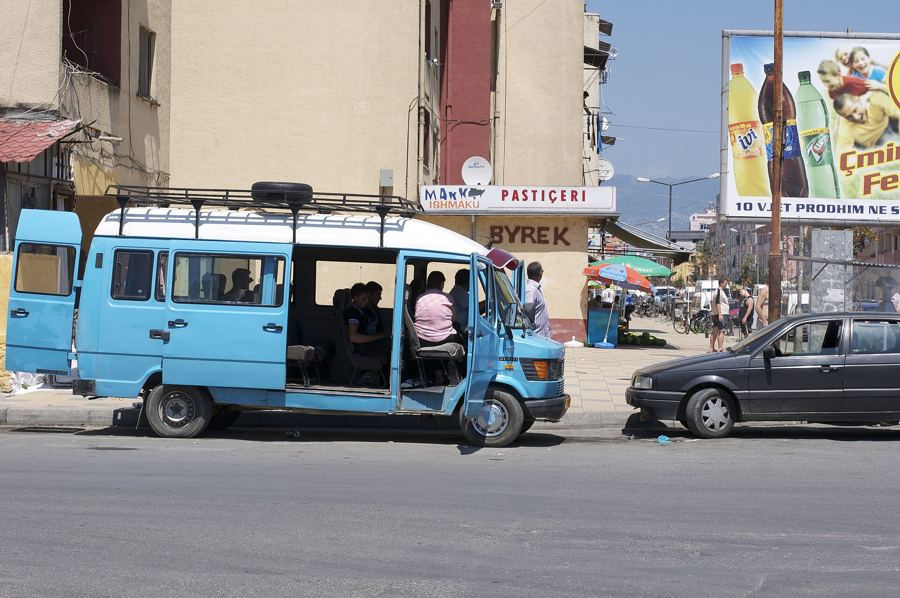
International buses link Tirana with Kosovo, North Macedonia, Montenegro and Greece, and a few run further, to Turkey and other countries. Departures are frequent to Prishtina and Skopje, less so elsewhere. In Tirana, long-distance buses use the city's bus terminals, though some companies leave from their own offices. Buy tickets in advance in summer and check the departure point the day before. Within the country, the minibus network takes over; our guide to getting around explains how it works.
What about trains?
There are no international passenger trains into Albania, and domestic rail service has been very limited for years. A rebuilt line between Tirana, the airport and Durrës has been under construction. Until it opens and settles, plan to arrive by air, sea or road.
What should you check before travelling?
Entry rules depend on your nationality and can change. Citizens of many European countries and others have been able to visit visa-free for short stays, but confirm the current rules with official sources before booking. Albania is not in the Schengen area or the European Union, so time spent here does not count toward Schengen limits, but check how this interacts with any EU-wide entry systems on the way in or out. Carry your passport at land borders, and if you are driving, make sure your insurance covers Albania.
Then book the crossing or flight, and leave a little slack in the plan. The road from the border always takes longer than the map suggests, and the first coffee in Tirana is worth arriving relaxed for.
Filed under Practical