Tirana does not reward hurrying. Its pleasures are in the pauses: a coffee that turns into an hour, a bench in the shade, a conversation overheard on the evening walk. But its centre is compact, its main sights sit within a short walk of one another, and a single well-planned day can take in a remarkable amount of the city's story, from the Ottoman mosque on the square to the bunkers of the Cold War and the mountain that watches over it all.
This plan is built around walking, with a taxi at the end of the afternoon to reach the cable car. It assumes a day in spring or autumn; in high summer, move the walking to the morning and the evening and spend the hottest hours indoors or in the shade.
Morning on the square
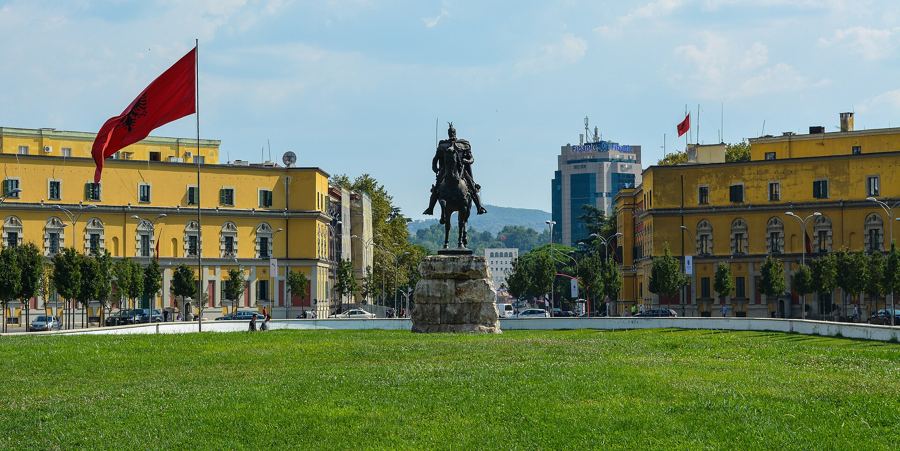
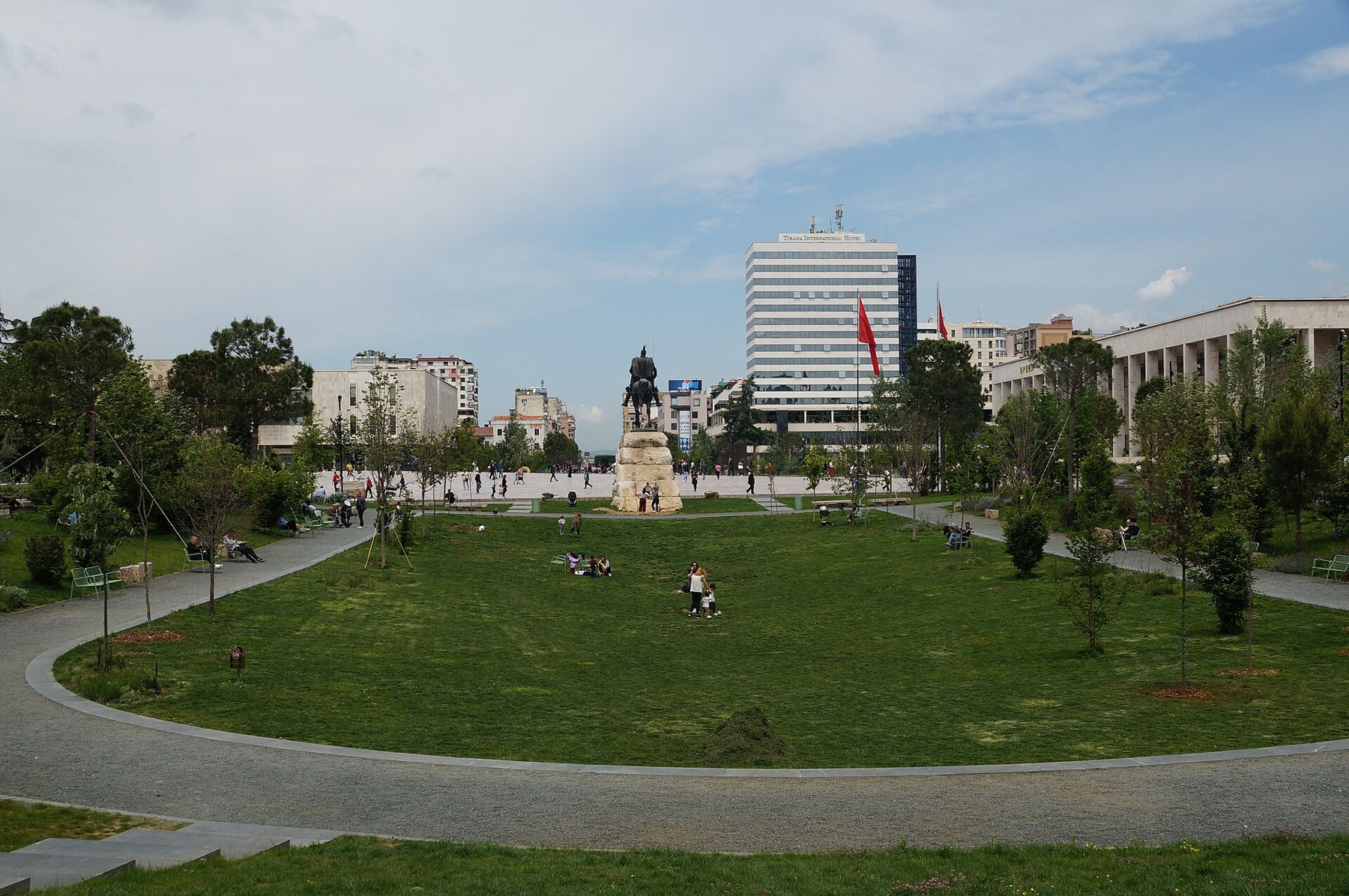
Start with breakfast the Albanian way: a coffee, standing or sitting, and a slice of byrek, the flaky pie filled with cheese, spinach or meat, from one of the bakeries in the streets around the centre. Then walk into Skanderbeg Square while it is still quiet. The vast stone floor, laid in a redesign finished in 2017, is at its most impressive in the early light, before the crowds.
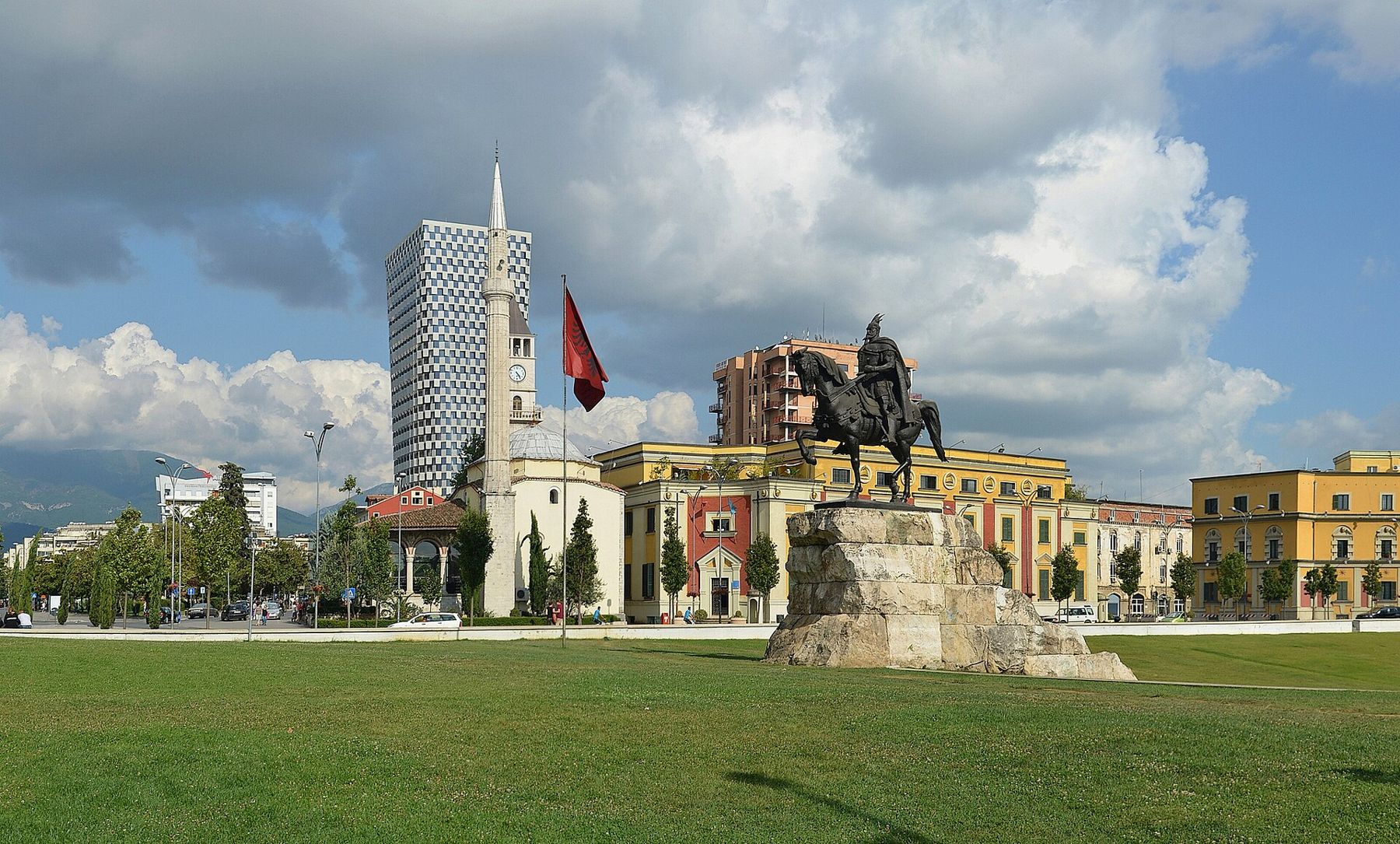
Walk the edges: the equestrian statue of Skanderbeg, the great mosaic on the front of the National History Museum, the Palace of Culture with the opera house, and the Et'hem Bey Mosque with its painted walls, finished in the early nineteenth century. Next to it stands the Clock Tower; if it is open, the short climb gives a view over the square. For the full story of each building, see Skanderbeg Square.
One museum, chosen well
Tirana has three museums that each deserve a morning, and a single day has room for only one or perhaps two. The National History Museum, on the square itself, gives the broadest overview of the country, from antiquity to the twentieth century. Bunk'Art 2, in a Cold War bunker a short walk away, tells the story of the communist state's police and security service. The House of Leaves, the museum of secret surveillance, shows how the state listened in on its citizens.
If this is your only day in Albania, the history museum provides the most context. If you are more interested in the communist period, either of the other two is a better choice, and the two together make a powerful but heavy morning. Opening hours change, and some museums close on certain days, so check before you go.
The boulevard and the Pyramid
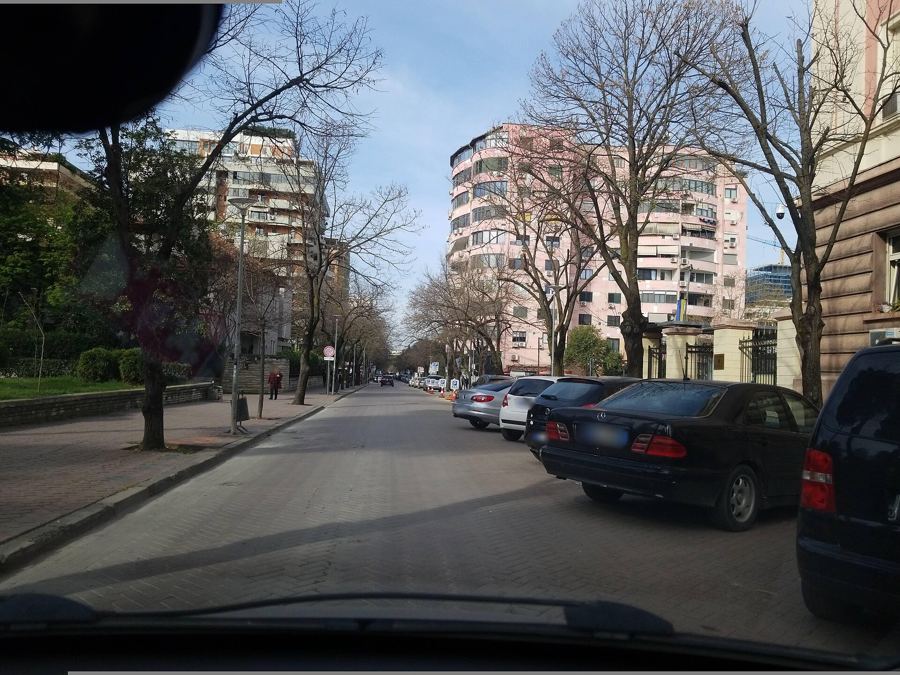
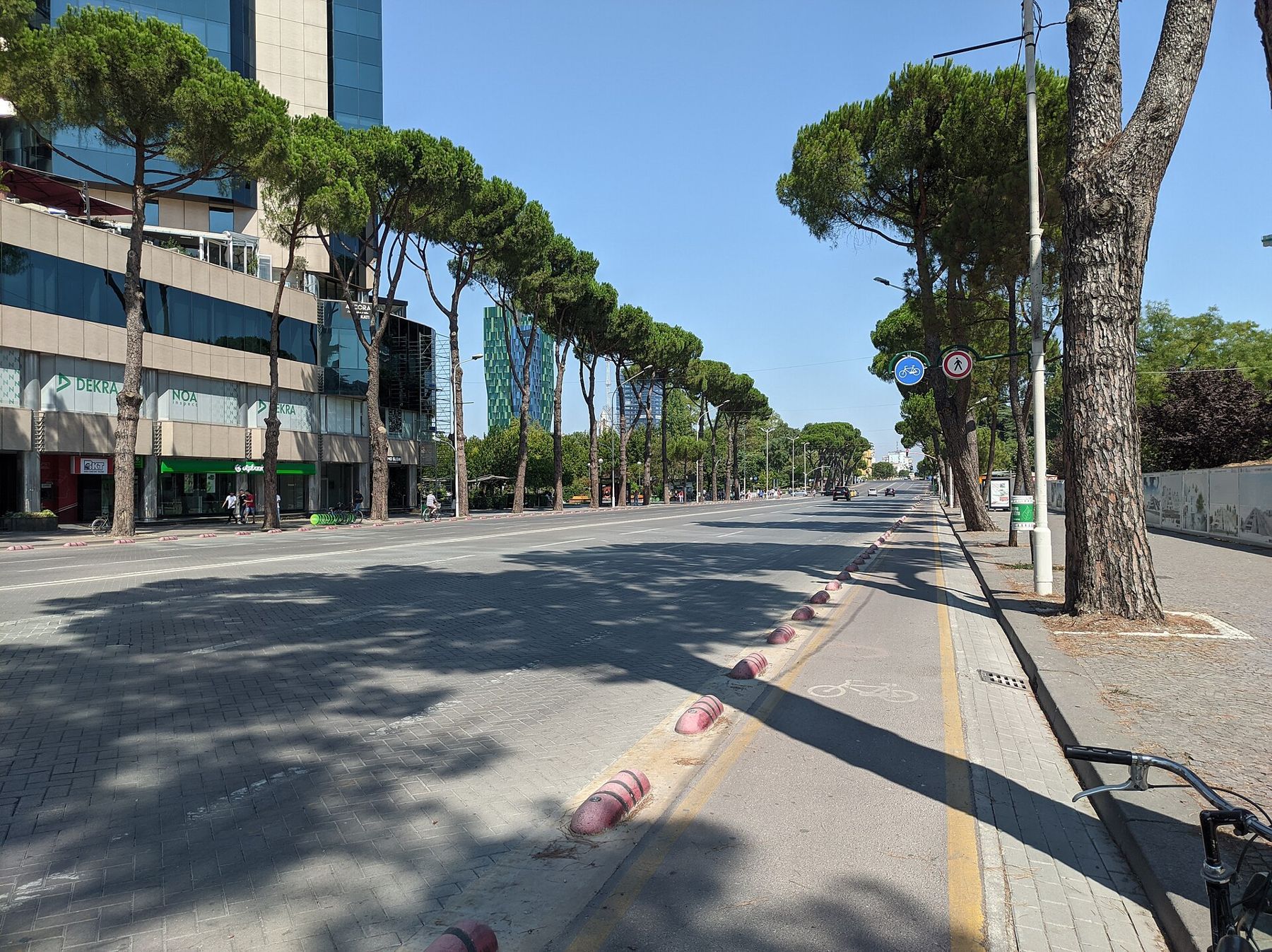
From the square, walk south down the main boulevard, Bulevardi Dëshmorët e Kombit. It is lined with Italian-era ministries and other public buildings, and it runs straight towards the university at the far end. After about ten minutes you cross the Lana river, and on your left rises the Pyramid.
Built in 1988 as a museum to Enver Hoxha, it spent decades as a ruin before a renovation that reopened it in 2023 as a technology centre for young people, with steps up its sloping sides. Climb to the top for a view across the centre and the new towers, and let the building's strange history sink in; the Pyramid has its own story.
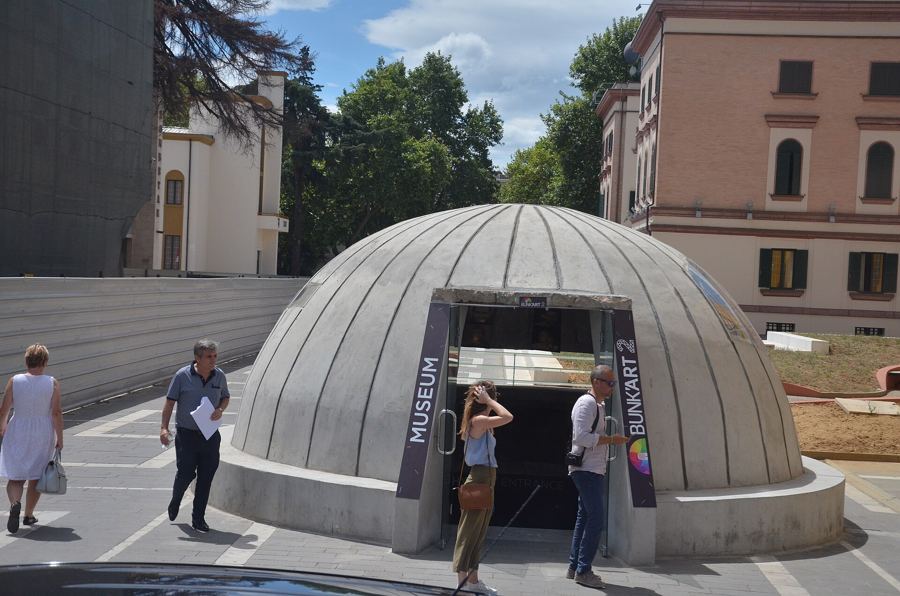 Read nextBunk'Art 1 and 2: going underground
Lunch in Blloku
Cross the boulevard and walk into Blloku, the quarter where the communist leadership once lived, closed to ordinary Albanians until 1991. Today its streets are full of cafés, bars and restaurants, and it is the obvious place for lunch. Pass the Postbllok memorial on the way in, with its bunker, its section of the Berlin Wall and its pit props from a prison mine, and look out for the former villa of Enver Hoxha on Rruga Ismail Qemali, a surprisingly modest building.
Lunch can be as long or short as you want it to be. Albanian menus lean towards grilled meat, salads, cheese and baked dishes; Italian food is also everywhere. Prices and menus change, so look before you sit. For a slower route through the quarter, see Blloku.
Afternoon at the New Bazaar
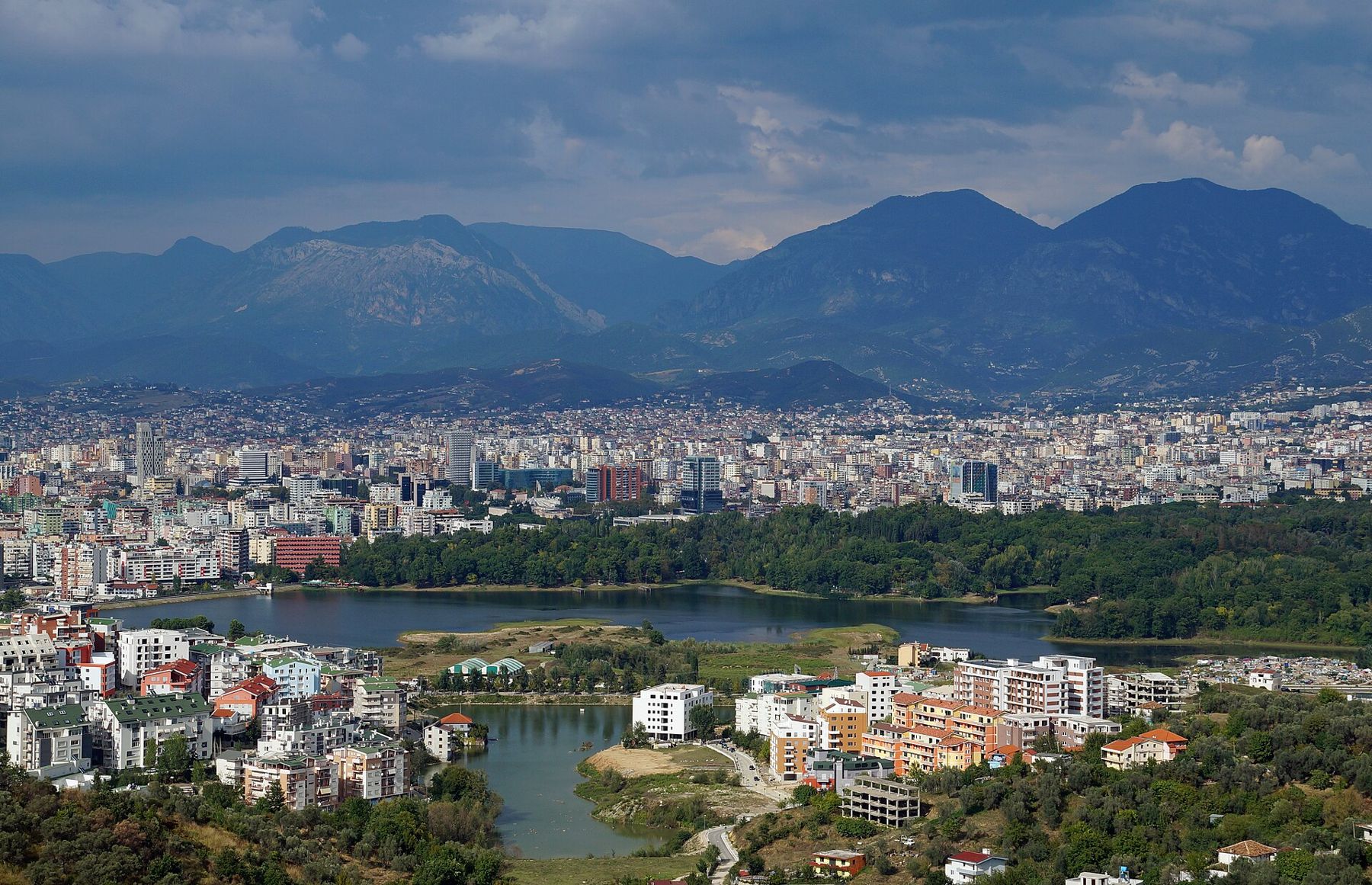
After lunch, if the afternoon is warm, take a rest in the shade, or walk south into the Grand Park for a stroll by the lake. Then head back north, past the square, to the New Bazaar, Pazari i Ri, a few minutes beyond the mosque. The market is quietest in the afternoon, but the stalls selling cheese, honey, olives, dried figs and raki are usually open, and the cafés around the market halls are a good place to rest your feet.
This is the place to buy something to take home, or simply to sit with a coffee and watch the neighbourhood. If you are hungry again by evening, the restaurants here are among the best in the centre for traditional Albanian food.
Dajti at sunset
In the late afternoon, take a taxi from the centre to the lower station of the Dajti Ekspres cable car, on the eastern edge of the city. The ride up the mountain takes about a quarter of an hour, over farmland and pine woods, and the city opens out behind you as you climb.
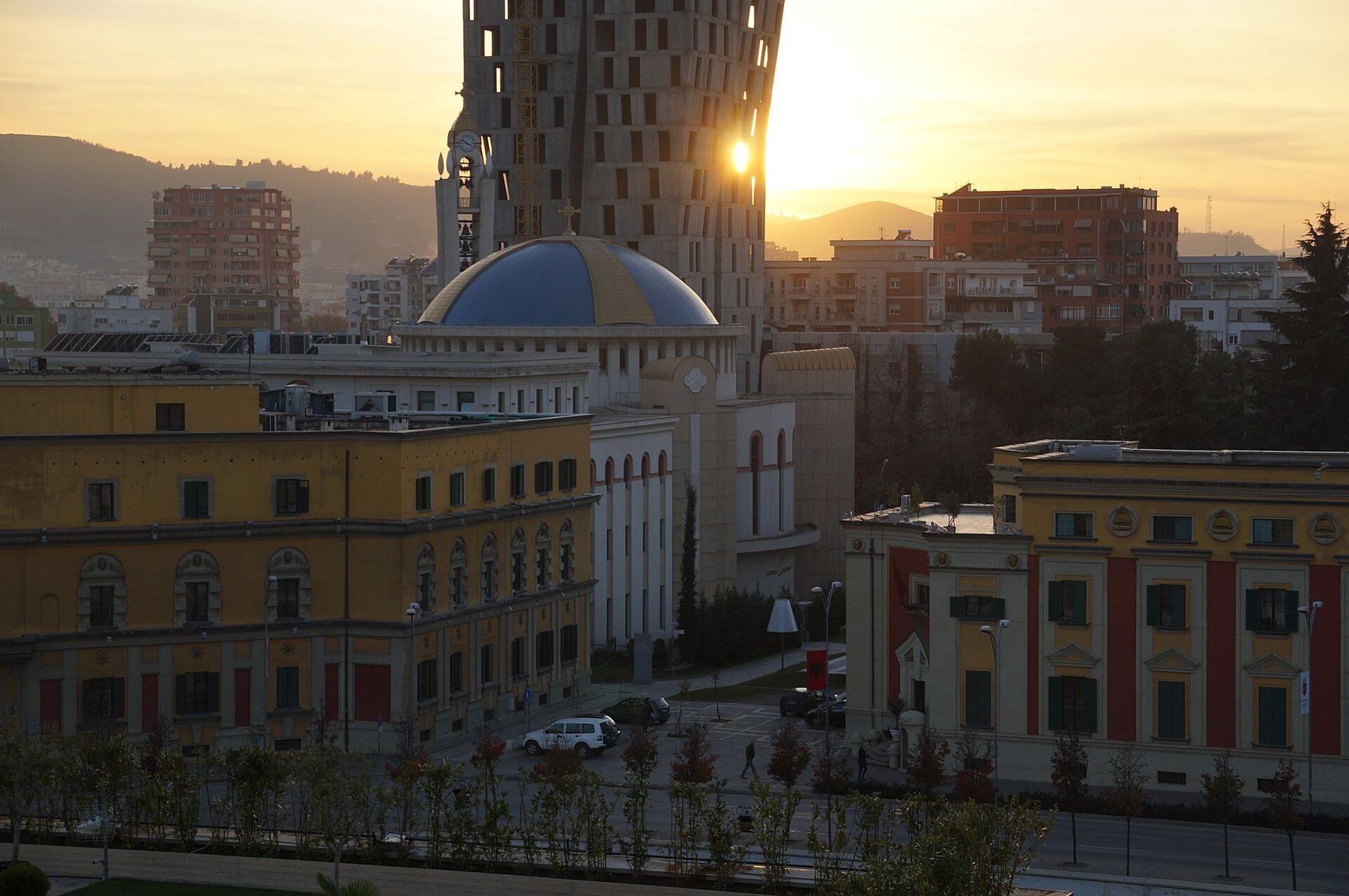
At the top, find a terrace, order something to drink and watch the light change over the plain. On a clear day you can see the coast. As the sun sets, the city below turns gold, then grey, and the lights come on. Ride back down in the dusk, take a taxi into town, and finish with dinner and the evening walk. The cable car stops in strong wind and its hours change with the seasons, so check before you set out; the cable car story has more.
Making it work
The walking in this plan adds up to a few kilometres, spread across the day, and the streets are mostly flat. Pavements can be uneven, and traffic is heavy, so take care at crossings even where there are lights.
Taxis are easy to find in the centre. Agree the fare or check the meter before setting off; fares change, so ask locally. Carry some cash for cafés, markets and taxis, though cards are widely accepted in restaurants.
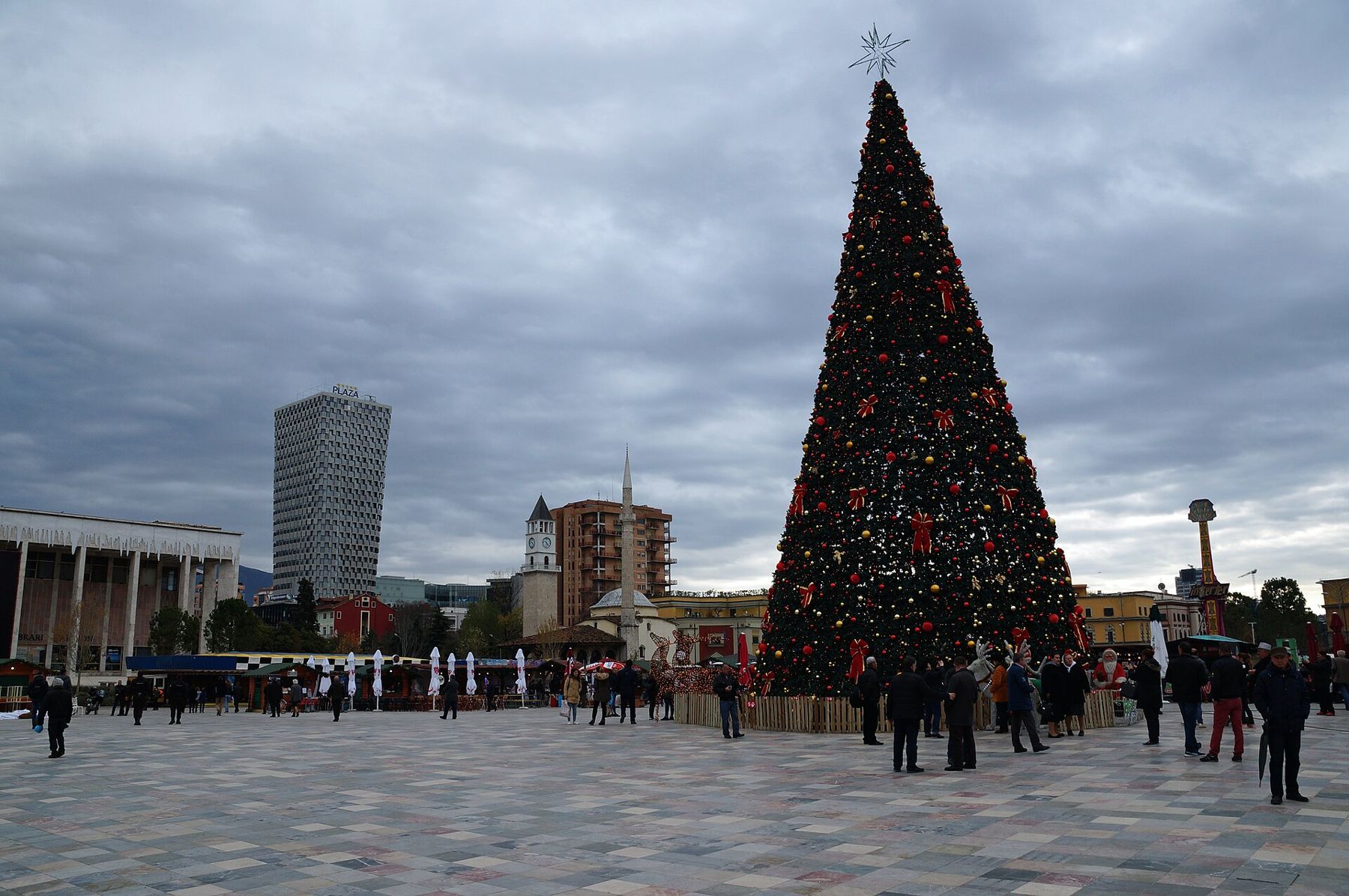
In winter, the day is short and the cable car may close before sunset, so swap the order: go up Dajti around midday and spend the afternoon in museums. In December a Christmas market fills part of Skanderbeg Square, and the evening walk moves there. Whatever the season, leave room for the thing Tirana does best, which is to sit down, order a coffee, and watch the city go by.
Filed under Tirana