Postbllok, the Checkpoint memorialBunker, Berlin Wall section and pit props from Spaç
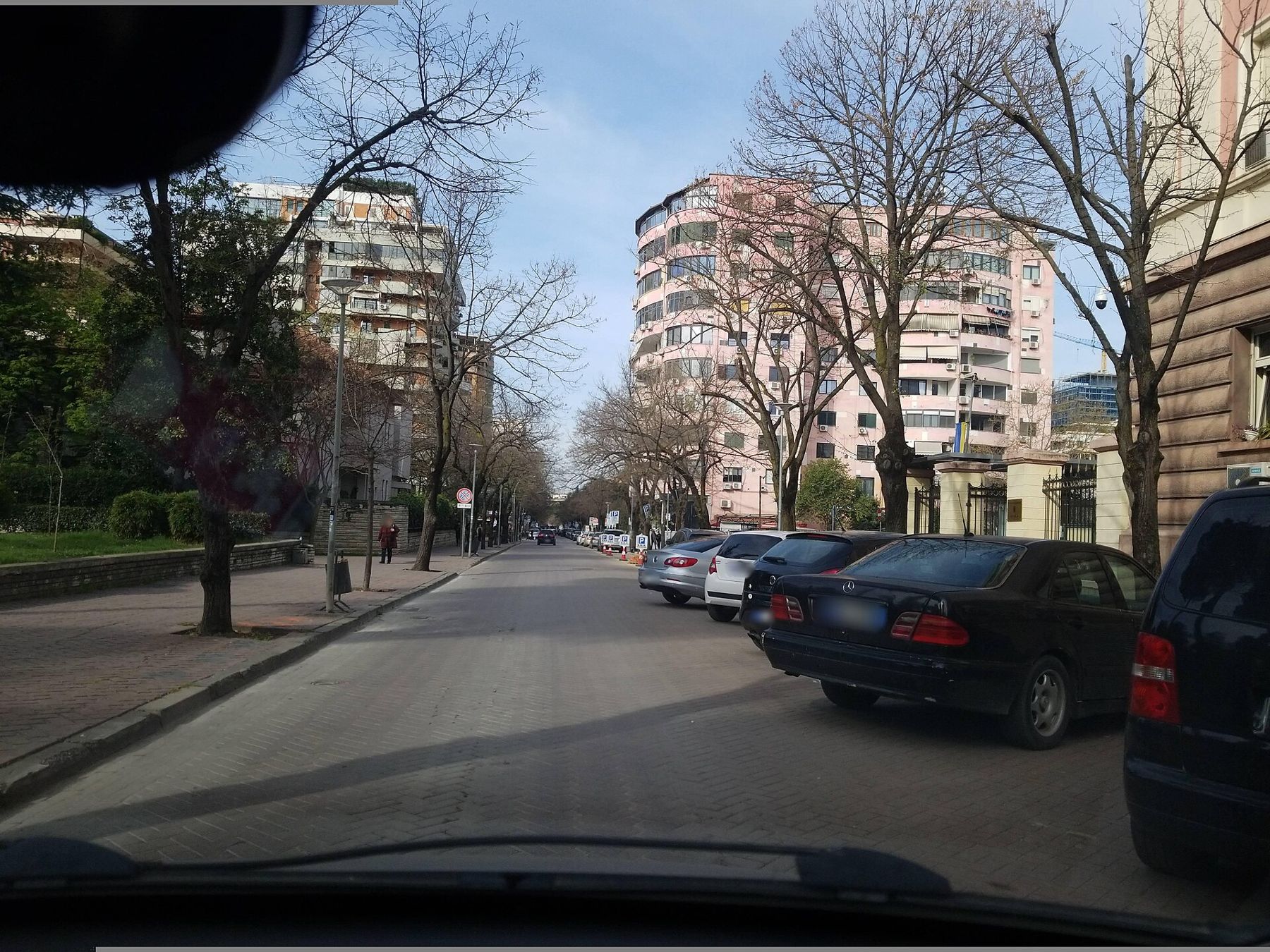
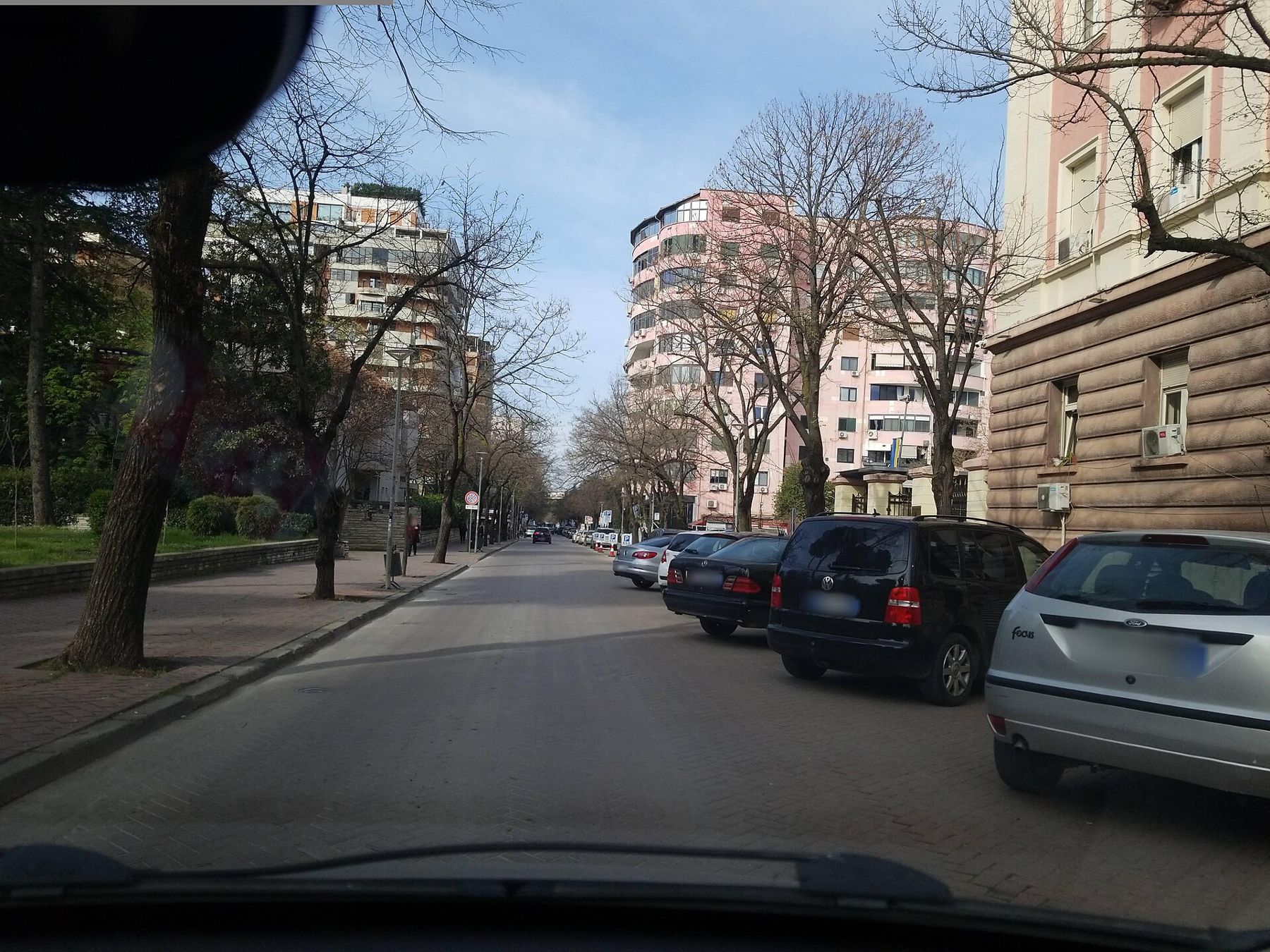
Rruga Dëshmorët e 4 ShkurtitBusy café street through the heart of the quarter
Enver Hoxha's villaThe leader's house, seen from the street
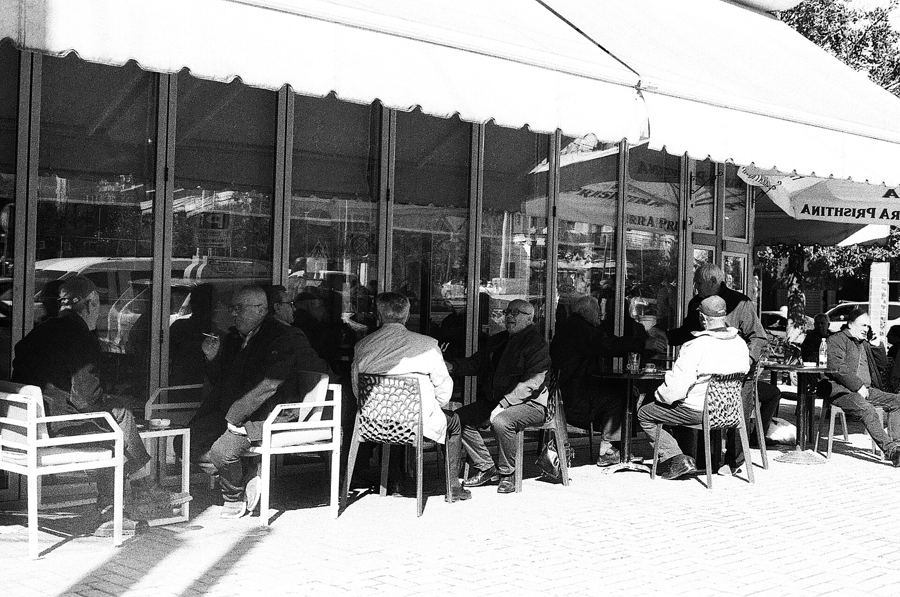
Rruga Ismail QemaliShops, bars and terraces under plane trees
The Lana embankmentThe river edge where the quarter ends
On a warm evening Blloku sounds like any prosperous quarter of a southern European city. Glasses knock on café tables, music leaks from bar doors, scooters nose between parked cars, and the pavements are crowded with people in good shoes who have nowhere urgent to be. It takes an effort to remember that for most of the communist period an ordinary Albanian could not walk down these streets at all.
Blloku, "the Block", was the residential quarter of the party leadership. Enver Hoxha, who led Albania from the end of the Second World War until his death in 1985, lived here, and so did other members of the Politburo and their families. The area was guarded, and entry was restricted to residents, staff and those with permission. For the rest of the city, the houses behind the trees were known about, imagined and avoided.
The quarter was opened to the public in 1991, as the one-party state collapsed, and within a few years its villas and low blocks were filling with cafés, bars and shops. Today it is the most fashionable part of the capital, and the old houses are hard to pick out among the new buildings. This walk links the places where the past still shows, and it is short enough to leave plenty of time for sitting down.
Postbllok, the Checkpoint memorial
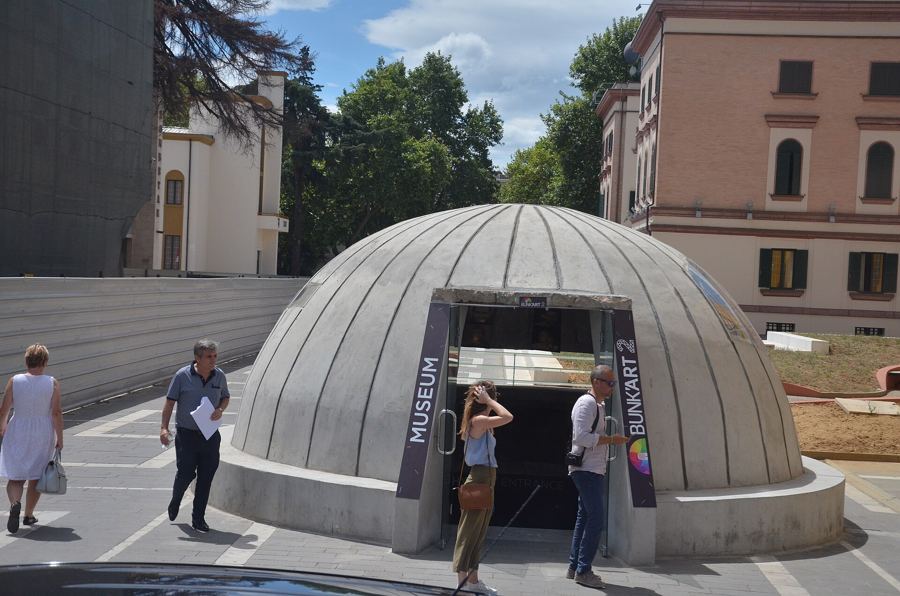
Start on the eastern edge of the quarter, at Postbllok. The name means checkpoint, and the memorial recalls the guard posts that once controlled access to Blloku. It brings together three pieces of the Cold War. One is a concrete bunker, one of the small dome-shaped shelters built in their tens of thousands across Albania. One is a section of the Berlin Wall. The third, less obvious, is a set of concrete pit props from the mine at Spaç, the labour camp in the northern mountains where political prisoners were made to work.
The memorial was installed in 2013, and it is small, easy to walk past and easy to photograph without thinking. Stop long enough to put the three objects together: the defence against the outside world, the wall that divided Europe, and the labour that the state demanded from people it had decided were its enemies. The full story of that state's fear of attack is told underground in Bunk'Art, a short ride away.
Rruga Dëshmorët e 4 Shkurtit
Walk into the quarter along Rruga Dëshmorët e 4 Shkurtit, the street of the Martyrs of 4 February, one of the main lines through Blloku. Here the transformation is at its most complete. The pavements are lined with café terraces, the shopfronts sell clothes, phones and furniture, and the new apartment blocks have glass balconies and underground garages.
Above the street rises the Sky Tower, an early landmark of the city's post-communist building boom, which has long had a revolving bar near the top with a view across the city to Mount Dajti. Businesses come and go, and opening hours change, but the building itself is a landmark of the years when Tirana began to grow upwards. Coffee here is served as it is everywhere in the city: quickly, properly and with a glass of water, and nobody minds how long you sit over it.
Enver Hoxha's villa
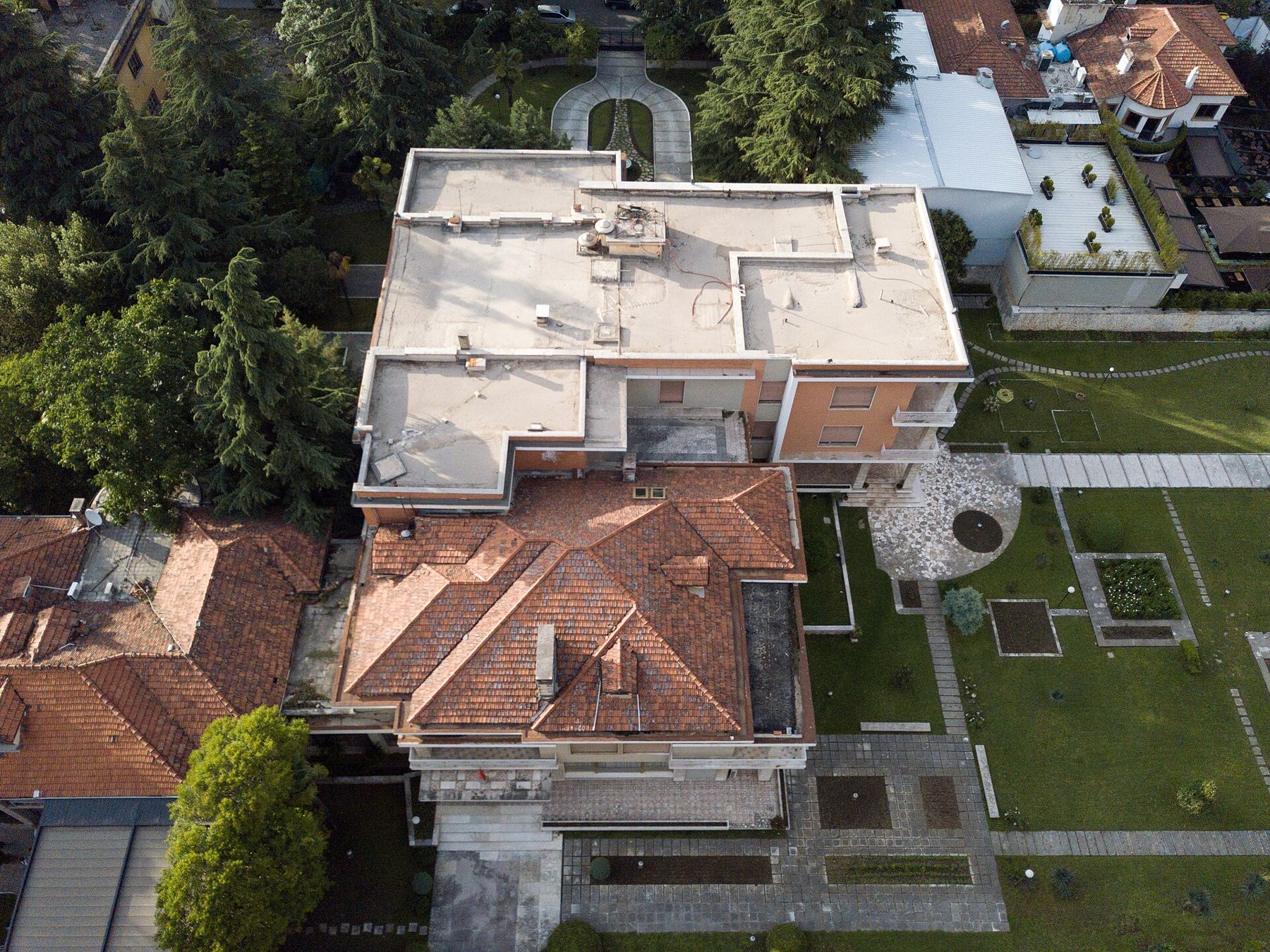
A few steps away, on Rruga Ismail Qemali, stands the house where Enver Hoxha lived. It is a pale, flat-roofed building with broad windows and a garden, and it is far less grand than visitors usually expect. Many people walk past it without noticing.
 Read nextCoffee, raki and the long afternoon
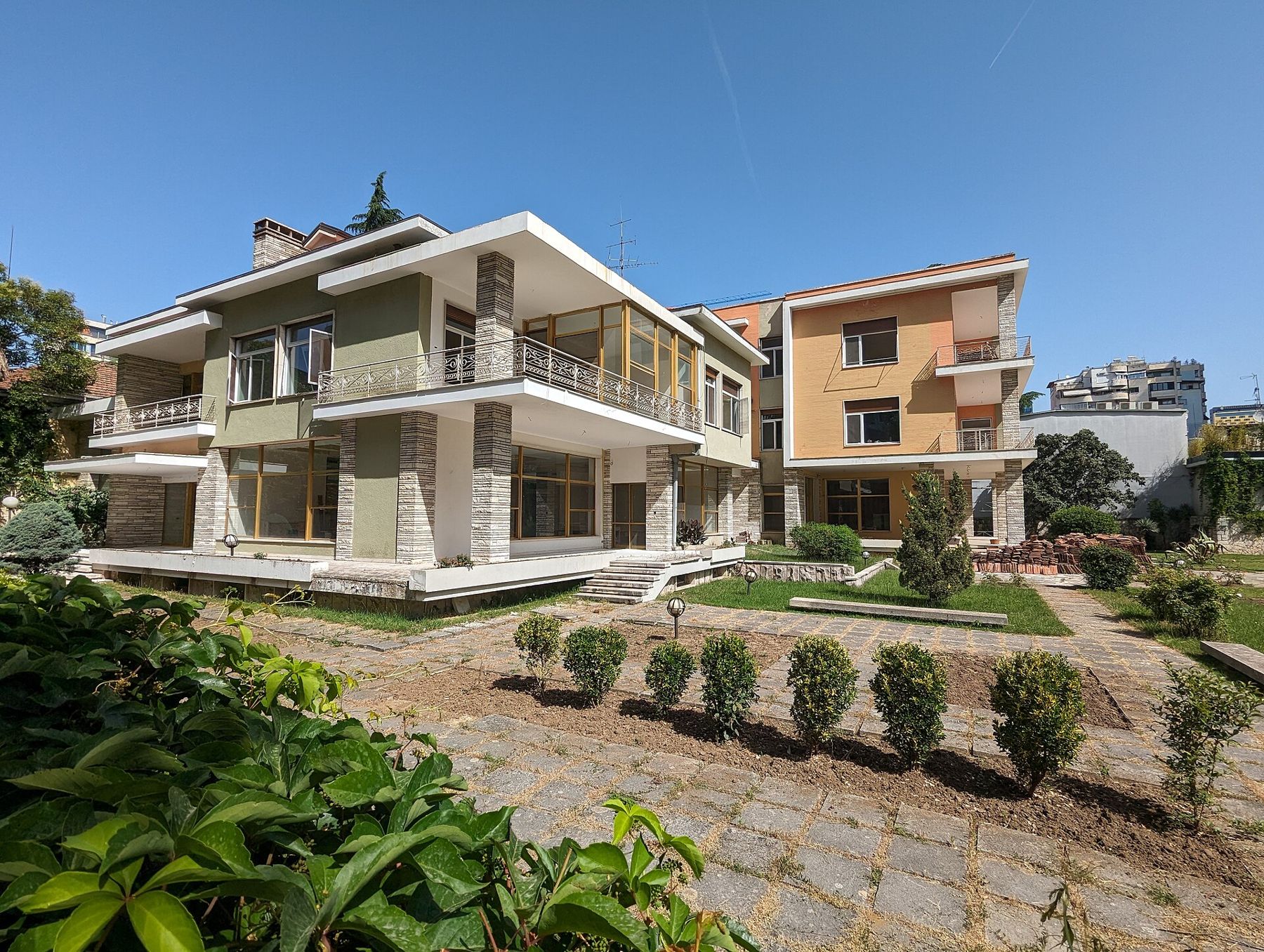
Its modesty was never the point; its isolation was. In a country where most families lived in small flats and where travel abroad was forbidden, the leader's house sat in a guarded enclave a few minutes from the centre, out of sight and out of reach. Since 1991 it has stood largely closed, with occasional exhibitions and long-running discussion about what it should become. It is not a museum, and it is not regularly open inside, so look from the street and leave it at that.
Rruga Ismail Qemali
Walk on along Rruga Ismail Qemali, named after the statesman who declared Albania's independence at Vlorë in 1912. This is the liveliest street in Blloku and the one most people mean when they talk about the quarter. Trees shade the pavement, and the ground floors are a run of terraces, cocktail bars, bakeries, ice cream counters and small restaurants, many with seats that spill onto the street.
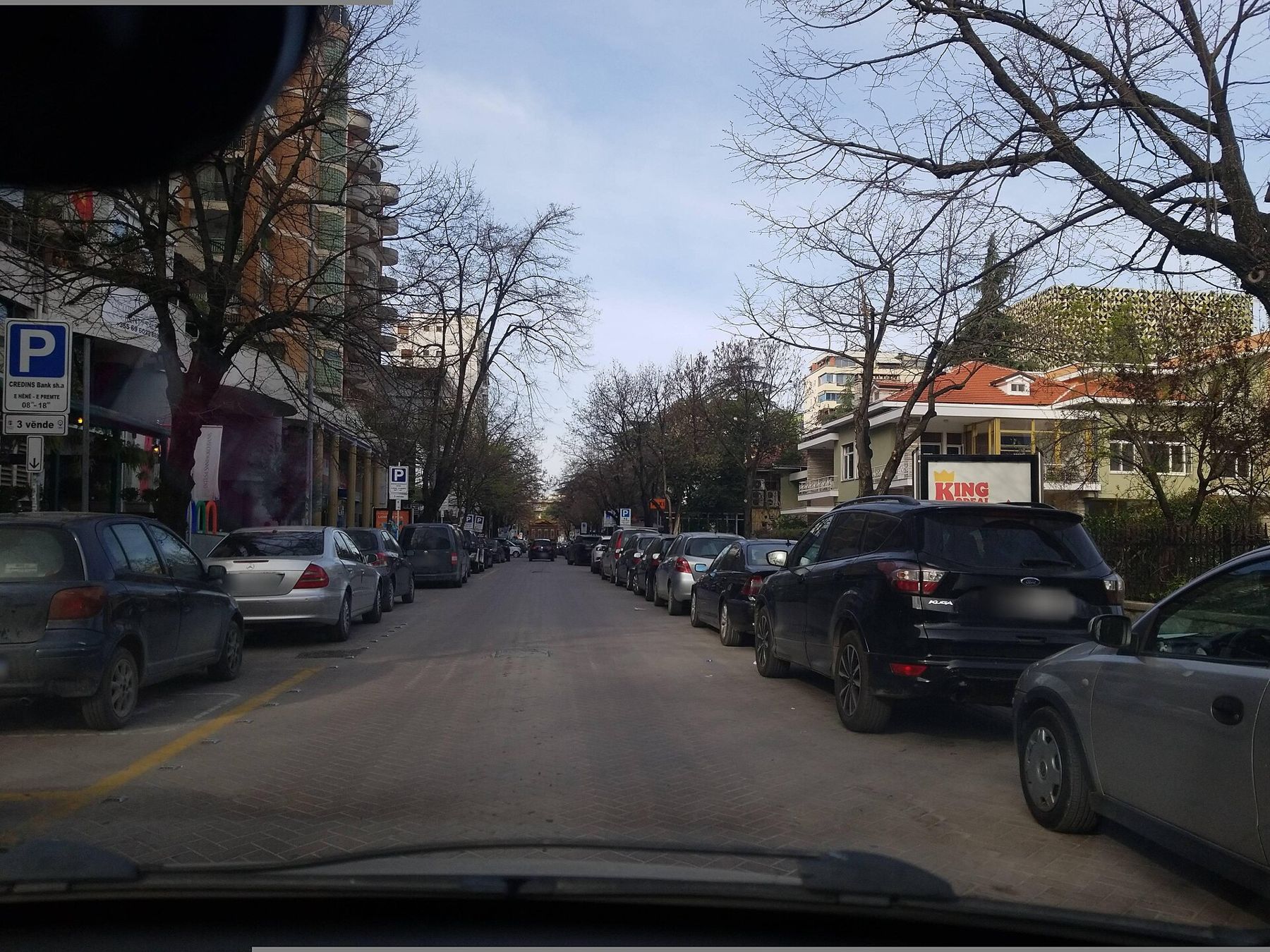
In the morning it is quiet, with delivery vans and the smell of fresh bread. By early evening it fills with the xhiro, the slow social walk that is part of daily life in Albanian towns, and by late evening on weekends the bars are loud and the pavements packed. If you want to eat, the side streets on either hand hold places serving Albanian and Italian food, from grill houses to restaurants with long wine lists. Prices are higher here than in the rest of the city, but they change, so read the menu at the door. For the classic dishes to order, see what to eat in Albania.
It is here, more than anywhere, that the Blloku story feels complete. The quarter that was reserved for a few dozen families is now the place where young Tirana goes to be seen, and the shift happened within a single generation. Older residents of the city can remember both.
The Lana embankment
Finish at the northern edge of the quarter, where the streets run down to the Lana, the small river that crosses the centre of Tirana in a concrete channel. The embankment road follows it, and from the bridges you can look along the water towards the boulevard, and on a clear evening see the ridge of Mount Dajti above the roofs.
The river banks themselves have a story. In the 1990s they were crowded with improvised kiosks and cafés, and their clearance in the early 2000s, together with the painting of the city's grey blocks, was one of the first signs of the changes that reshaped the centre. How Tirana painted itself tells that part. Today the banks are lined with trees and benches, and the water is low for much of the year.
Practical notes
The whole walk is under two kilometres and flat, and it can be done in either direction. Blloku lies just west of the main boulevard, Bulevardi Dëshmorët e Kombit, south of the Lana and a short walk from Skanderbeg Square. Taxis are easy to find on its edges, though inside the quarter traffic is often slow and parking scarce.
Come in the late afternoon if you want to see both faces of the place: the quieter streets with light on the old houses, and then the terraces filling as the evening walk begins. Mornings are good for photographs and coffee. Late nights at weekends are lively and noisy, which is exactly what some people come for.
The quarter has no single monument or ticket office, and nothing tells you when you have entered or left it. That is fitting. The guards and barriers that once marked Blloku off from the rest of Tirana are gone, and the best way to understand what that means is to walk in from the boulevard, as anybody can now, sit down at a table and order a coffee.
Filed under Tirana