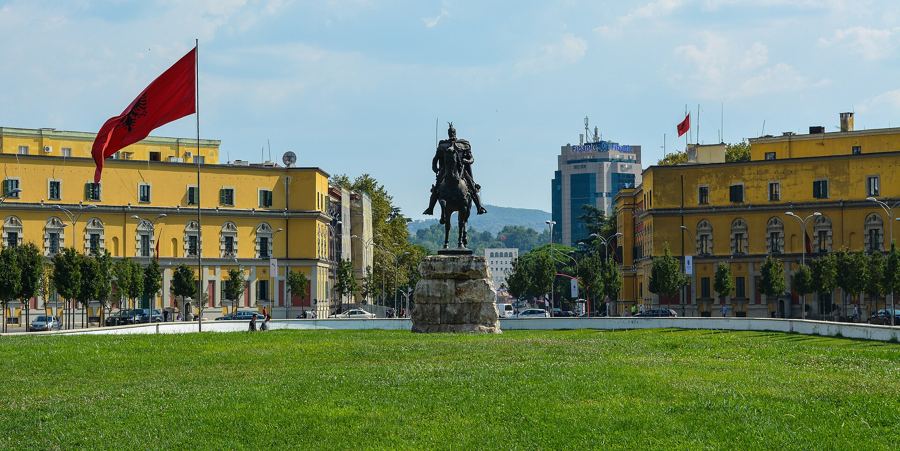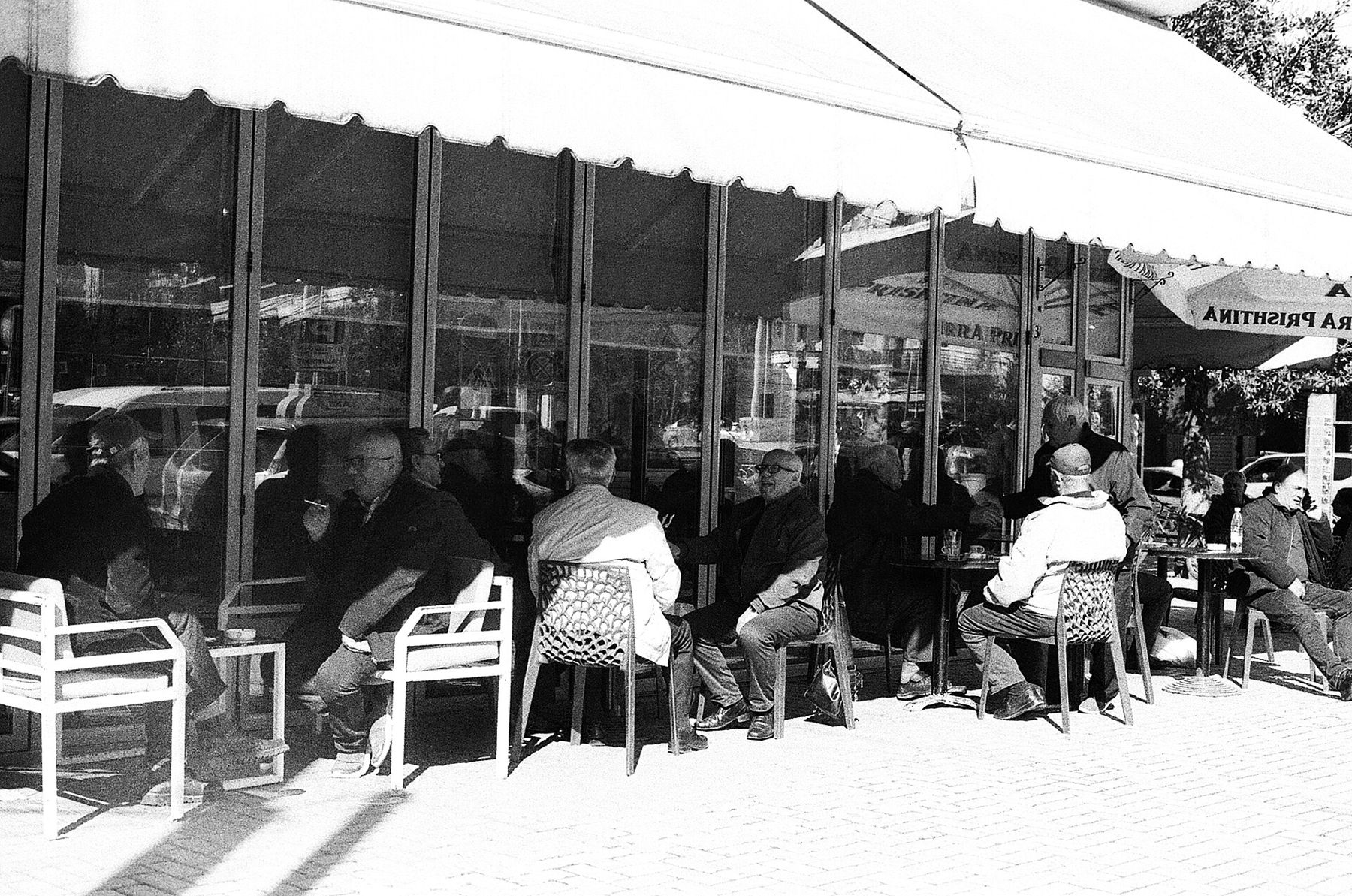
At nine in the morning the terraces around Avni Rustemi Square are already full. Men in jackets sit in rows facing the street, cups the size of thimbles in front of them, a glass of water beside each. Nobody seems in a hurry to drink and nobody seems in a hurry to leave. A coffee in Albania is less a drink than a reason to sit down, and the country is very good at sitting down.
A city of terraces
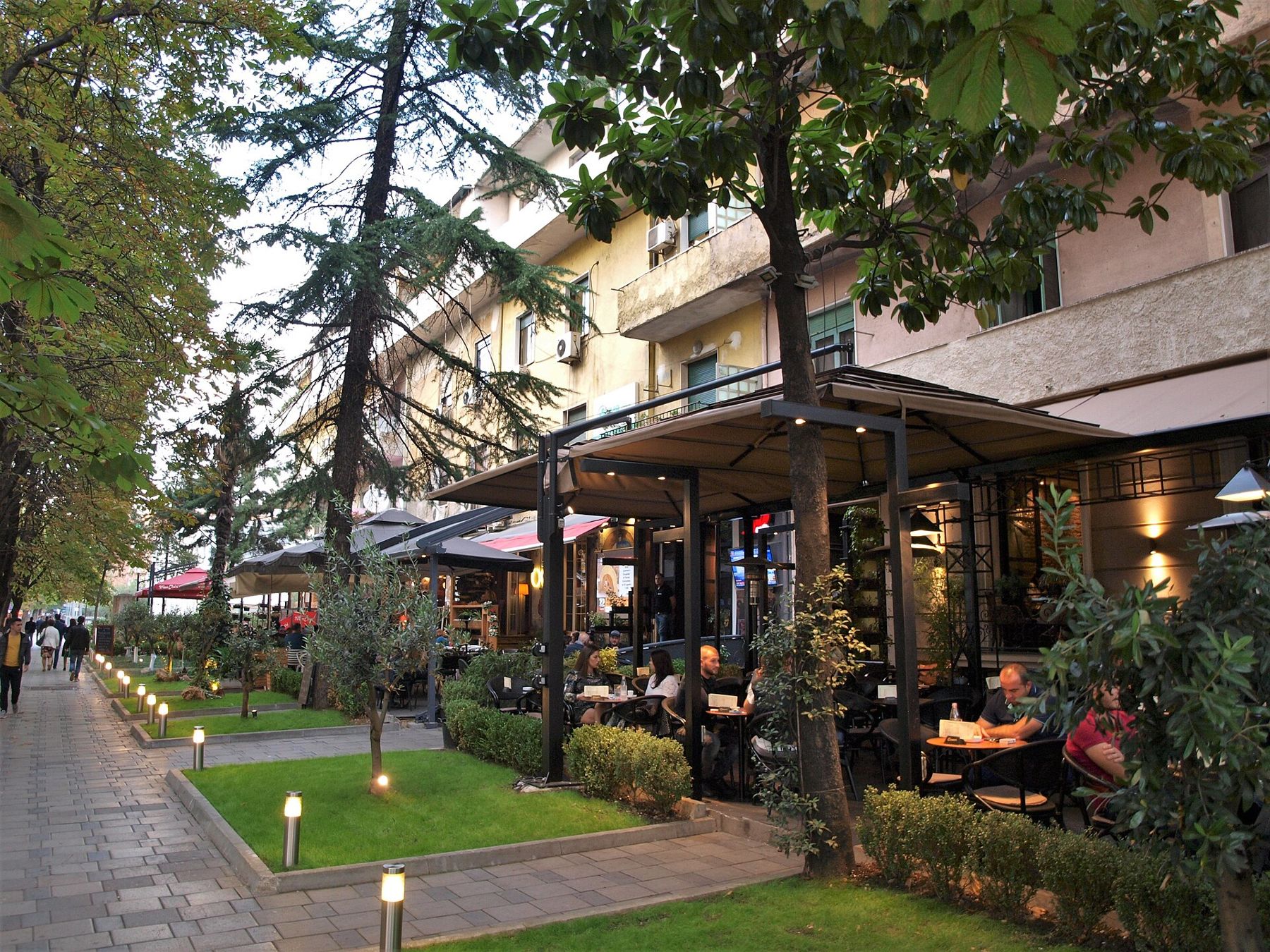
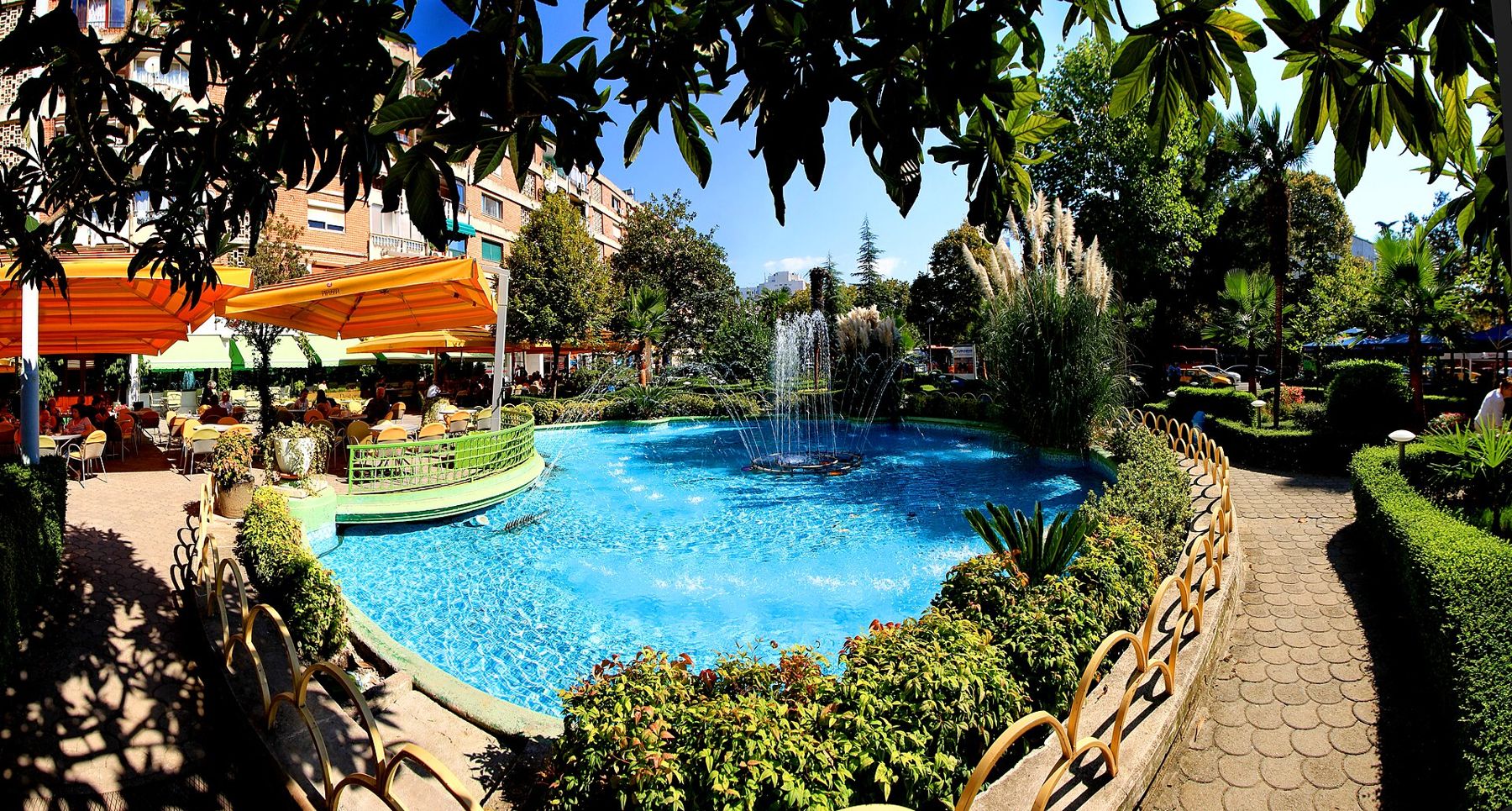
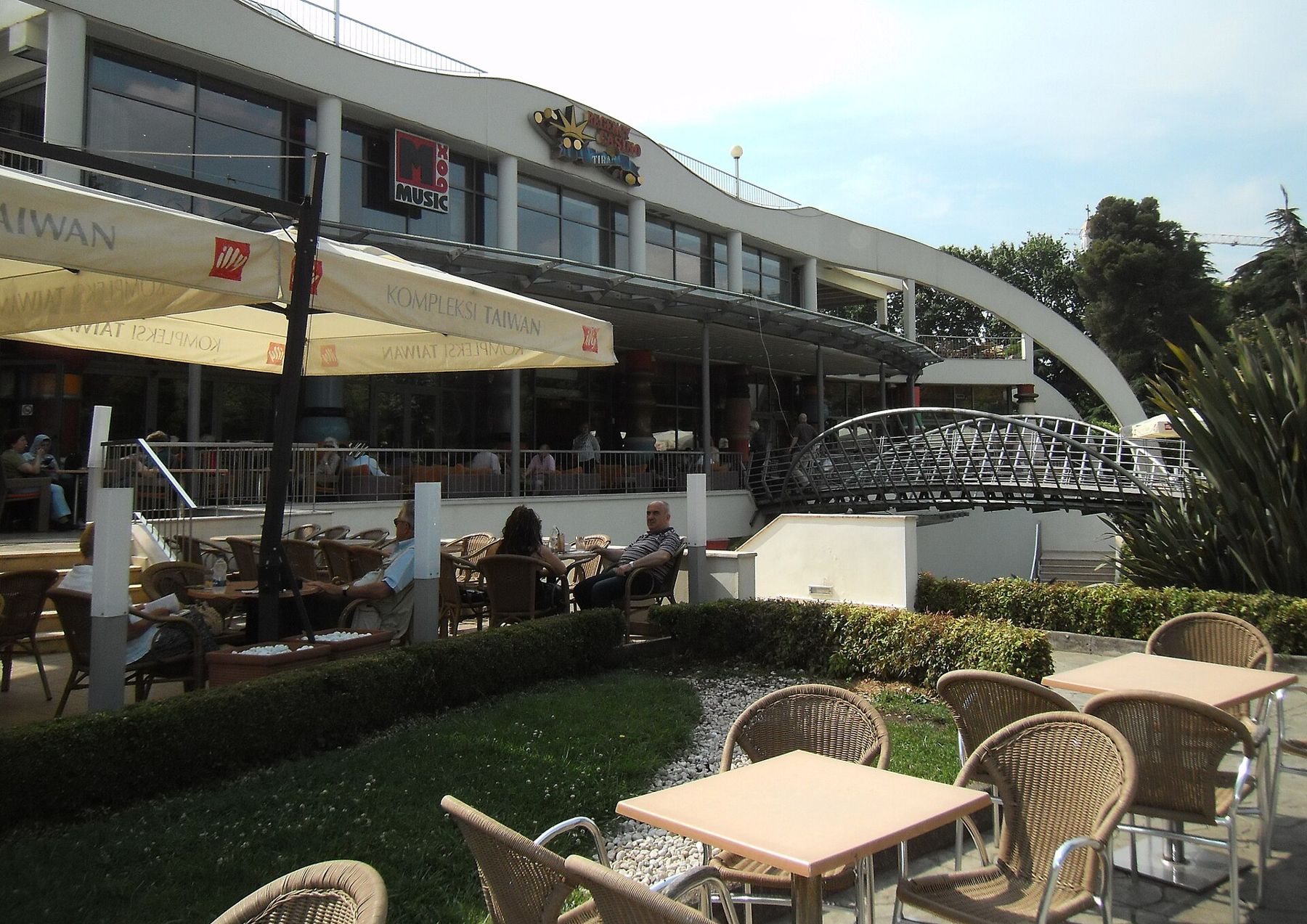
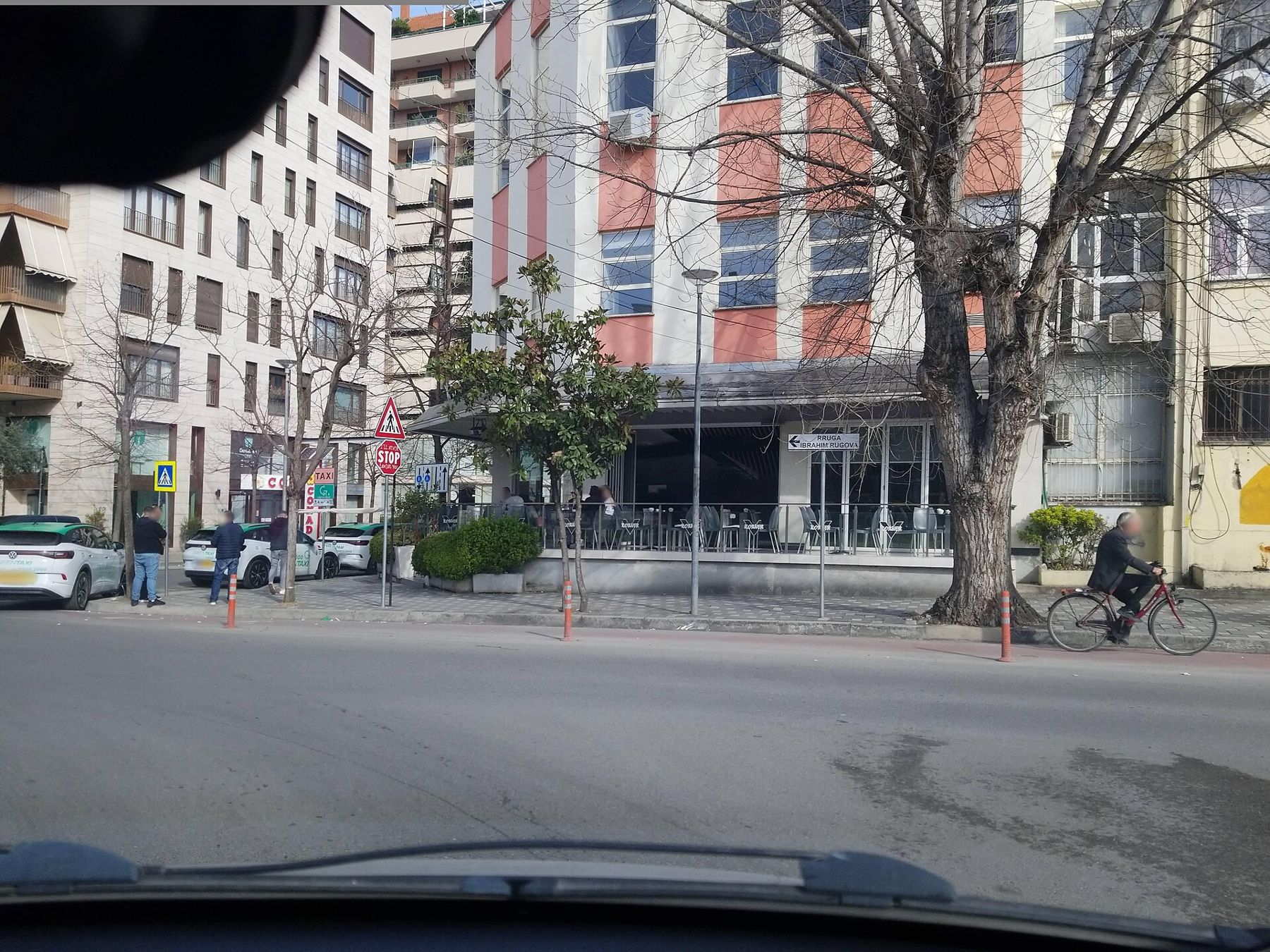
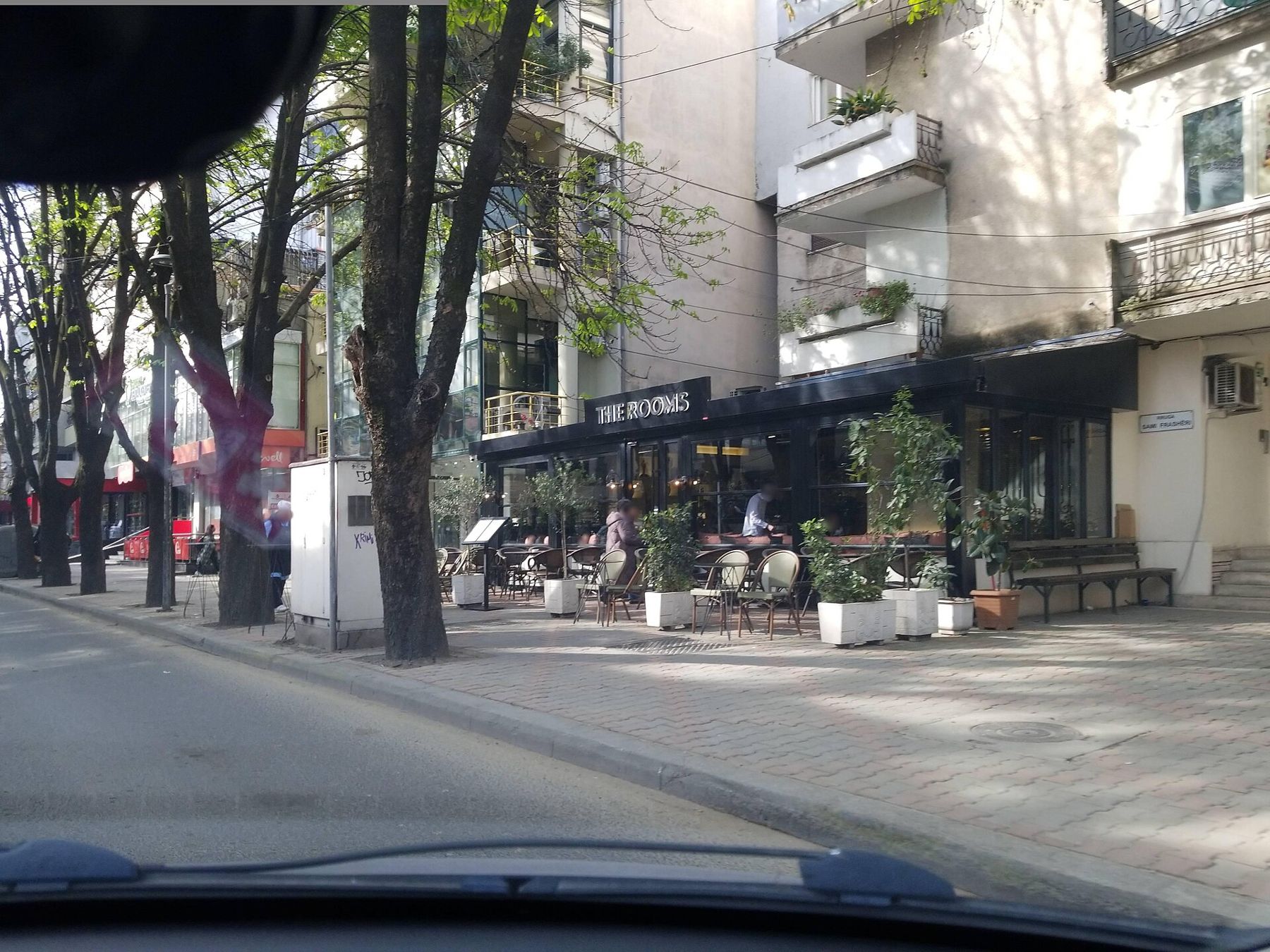
Tirana has an extraordinary number of cafés. They fill the ground floors of apartment blocks, spill onto pavements under awnings and umbrellas, and occupy every corner of the park around the old Taiwan complex. In Blloku, the former leaders' quarter, they stand shoulder to shoulder along Rruga Sami Frashëri and Rruga Ismail Qemali. Out in the residential districts there is a café on nearly every block, often with a single television, plastic chairs and a regular crowd that has been coming for years.
Part of the explanation is history. Under the communist government private business was abolished, and the few state cafés were plain and closely watched. When the system fell in the early 1990s, a café was one of the simplest businesses to open: a room, a machine and a few tables. Thousands opened. Part of it is economics, since a coffee remains cheap enough to be an everyday pleasure. And part of it is simply how the country prefers to do things. Business, politics, family news and courtship all happen over coffee.
The result is a city that measures its day in cups. The first coffee comes early, often taken standing at a bar on the way to work. The second, around mid-morning, is the social one, taken sitting down with a friend or a colleague. After lunch there is another, and in the late afternoon the terraces fill again as offices empty. Many Albanians drink four or five espressos a day without thinking about it, and a visitor who keeps pace learns the rhythm of the city quickly.
Espresso and the old way
Ask for një kafe and you get an espresso, short and strong, served with a glass of water. The Italian influence runs deep, from television in the communist years, when many Albanians watched Italian channels across the Adriatic, to the machines and roasts that fill the bars today. Macchiato is the common variation, and the cappuccino is everywhere. The quality is generally high, and a bad espresso in Tirana is rarer than in many western capitals.
The older tradition is kafe turke, Turkish coffee, ground very fine and boiled in a small long-handled pot called a xhezve, then poured unfiltered so the grounds settle in the cup. You ask for it sweet, medium or without sugar, because the sugar goes in during the boiling. It is drunk more often at home than in city cafés, and older people and village households keep the habit. In some homes the grounds left in the cup are turned out onto the saucer and read for the future, half as a game.
The rules of the table
The habits are easy to pick up. A coffee is not rushed. One cup can last an hour and nobody will bring the bill until you ask. Tables are shared out by the hour, and the morning crowd gives way to students, then to office workers, then to families in the evening. Paying is a small contest: the person who invited usually pays for everyone, and an attempt to split the bill can look odd. If someone pays for you, the next round is yours.
A coffee in Albania is less a drink than a reason to sit down, and the country is very good at sitting down.
Cafés also serve as offices. Meetings are arranged for "a coffee" rather than at a desk, and a café can be the unofficial headquarters of a neighbourhood. Smoking indoors is officially restricted but you will still meet it on terraces, where most people sit for much of the year anyway.
 Read nextWhat to eat in Albania, from byrek to trileçe
Raki, the welcome
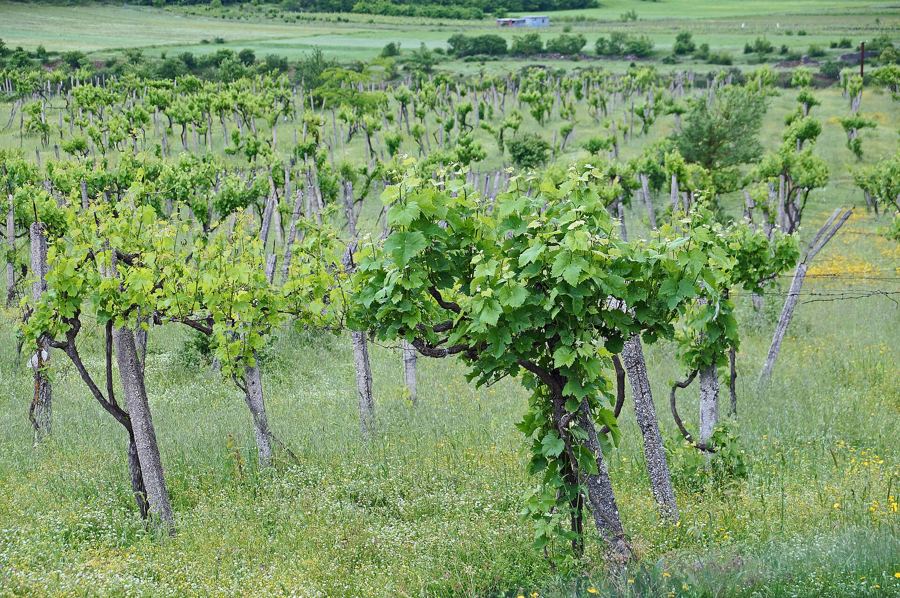
If coffee is the daily habit, raki is the ceremony. Raki is a clear, strong spirit, most often distilled from grape pressings after the harvest. There are also versions made from mulberries, plums and other fruit, and in Përmet and the south, from local grapes with a particular reputation. In autumn, many village households run their own stills, and the result is shared rather than sold. Homemade raki is often stronger than the bottled kind, so it is worth pacing yourself.
Raki is the drink of welcome. Arrive at a house and a small glass may be put in front of you before you have taken off your coat, alongside a plate of cheese, olives or a spoonful of fruit preserve. Raki is drunk with food, in small sips, and toasted with gëzuar, said while looking the other person in the eye. In the morning, a small glass with a coffee is not unusual for older men in the villages. Refusing is allowed. A smile and a hand over the glass works, and hosts will usually offer coffee or juice instead.
In restaurants raki comes in a small carafe or by the glass, often with a meze of salad, cheese and pickles. It sits naturally beside grilled meat and the long, slow lunches of a Sunday.
The xhiro
As the light goes in the evening, the towns come out. The xhiro, the evening stroll, is one of the oldest social habits in the country. People walk the main street or promenade slowly, often in families or groups of friends, up one side and down the other, stopping to talk, to be seen and to buy an ice cream or a handful of sunflower seeds. It has its own pace, slower than walking anywhere.
Every town has its route. In Shkodër it is the pedestrian street of the old centre, lined with restored houses. In Berat it is the boulevard along the Osum river under the windows of Mangalem. In Korça, Durrës and Vlorë it is the boulevards and seafronts. In Tirana the walk is more scattered, but the pedestrian streets around the centre, the paths of the park by the artificial lake and the square itself fill up in the same way, especially in summer, when the heat of the day finally breaks.
The xhiro ends where it began, at a café, with a last coffee or a glass of something stronger. The waiter knows the order before it is given.
Beyond the capital
Outside Tirana, the café keeps its central place but changes its clothes. In the villages, the kafene on the square is the meeting point for the men of the place, who sit over coffee, dominoes, cards or a board of tavëll, the local backgammon, for most of the afternoon. Visitors are noticed at once and usually greeted. In the old towns of Berat and Gjirokastër, cafés occupy the ground floors of stone houses and the terraces of the bazaar streets. On the coast, the beach bar takes over in summer, and the espresso becomes a frappé or an iced coffee.
In the mountain guesthouses of the north, breakfast often comes with Turkish coffee from a small pot, and a glass of raki may follow it whether you asked or not. In the evening, hosts may offer çaj mali, mountain tea brewed from a wild herb that grows on the high slopes, sweetened with honey. It is the drink of cold nights and long walks, and bunches of the dried herb are sold at markets across the country.
The cafés of the cities have also changed with the times. A generation ago the terraces were almost entirely male; today, in Tirana and the larger towns, women, students and families fill them as much as anyone. The village kafene changes more slowly.
What does not change is the pace. Even in the busiest seaside bar, nobody hurries a customer, and a single coffee still buys a table for as long as the talk lasts.
Where to sit
You do not need a recommendation, but a few places give the scene its full shape. The terraces near the market in the New Bazaar are best early in the morning, when the stallholders take their own coffee. The streets of Blloku are busiest from late afternoon into the night. For the xhiro, take an evening around the lake in the Grand Park, or go to Shkodër, where the evening walk is still the main event of the day.
Wherever you sit, the drill is the same. Order, settle in, watch the street, and let the coffee go cold if the conversation is good.
Filed under At the Table