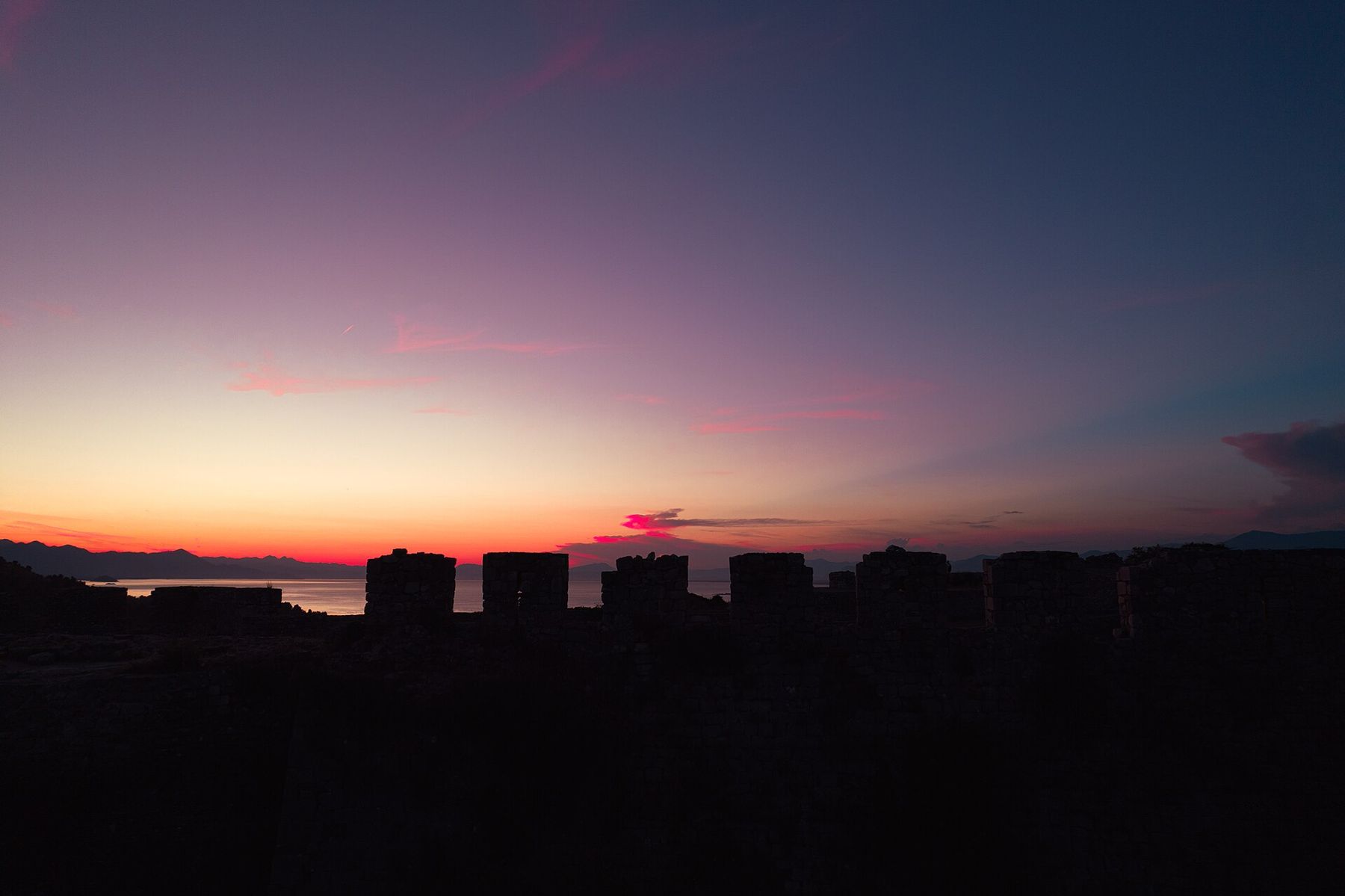
From the top of Rozafa Castle, the view divides into water. To the north lies Lake Shkodër, wide and pale, stretching away towards the mountains of Montenegro. Below the castle, three rivers meet: the Drin, the Buna and the Kir. And beyond them, flat and low, lies the city of Shkodër, its roofs and minarets and church towers spread across the plain, with bicycles moving through its streets like a slow current.
Shkodër is the main city of northern Albania and one of the oldest in the country. It was the seat of the Illyrian kings, a Venetian outpost, an Ottoman provincial centre and, for a long time, the cultural capital of the north. It has a different feel from Tirana: older, flatter, quieter, and proud of its own history.
It was also fought over well into modern times. In 1912 and 1913, during the First Balkan War, Montenegrin and Serbian forces besieged Shkodër for months. The city surrendered in April 1913, but the Great Powers decided that it should belong to the new Albanian state, and the Montenegrin army withdrew. Shkodër has been Albanian ever since, but its place on the border has always shaped its outlook.
Rozafa and the woman in the wall
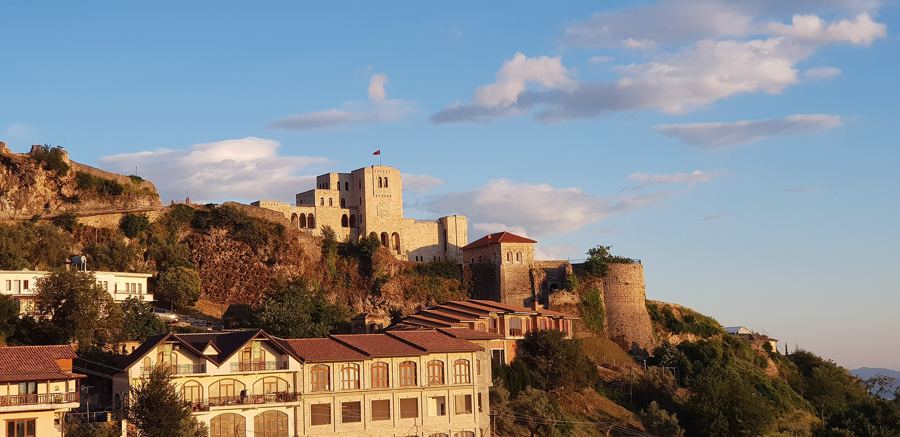
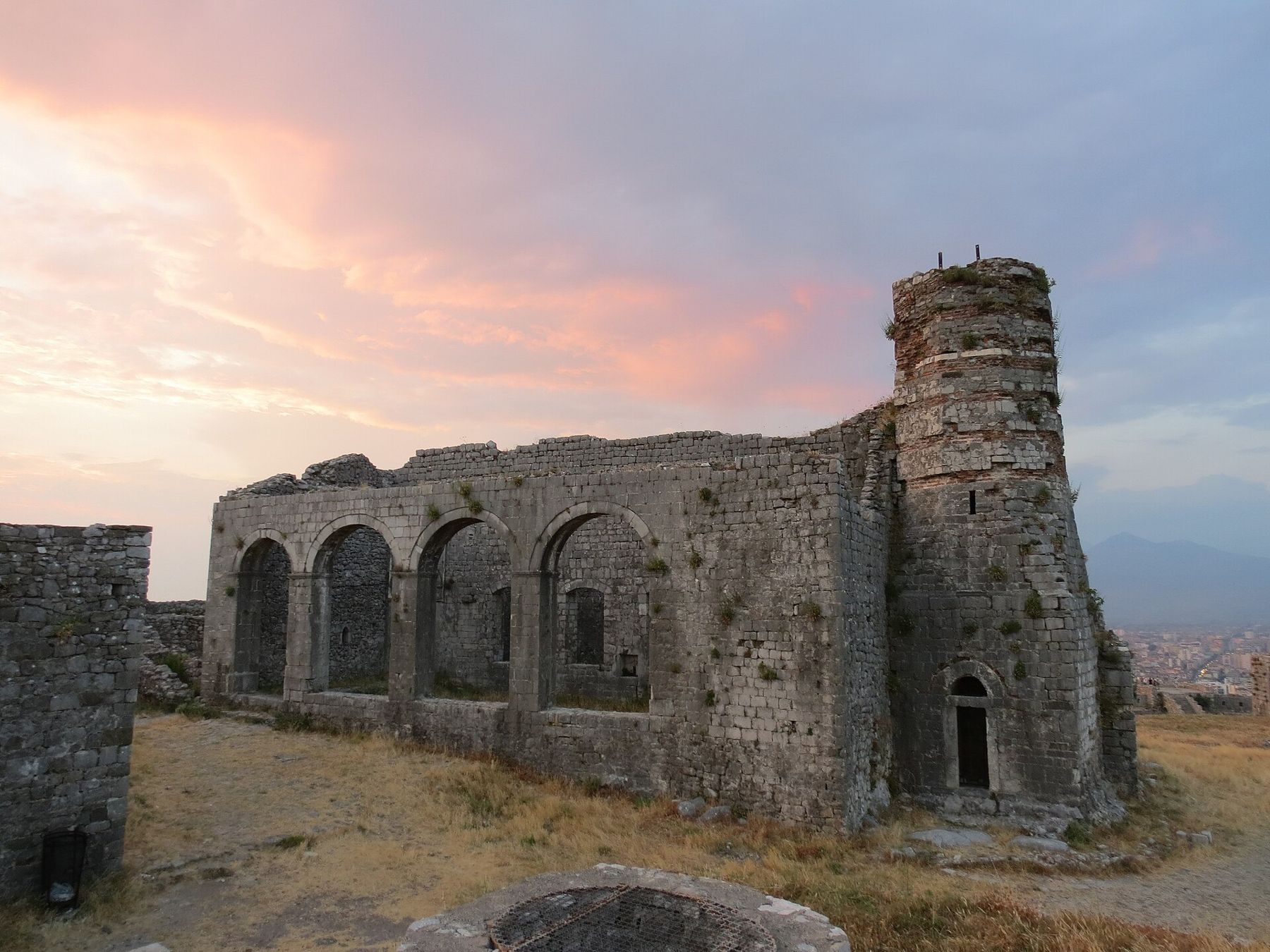
Rozafa Castle stands on a rocky hill just south-west of the city. Its walls date from many periods, but the hill has been fortified since ancient times. The Illyrians held it, and later the Venetians, who lost it to the Ottomans after a long siege by Sultan Mehmed II in 1478 and 1479.
The castle is named after a legend. Three brothers were building its walls, but each night the walls fell down. A wise man told them that the walls would stand only if they buried a living person inside them. The brothers agreed to wall up whichever of their wives brought them lunch the next day. The two elder brothers warned their wives; the youngest did not. His wife, Rozafa, came with the food. She accepted her fate, but asked that they leave her right breast exposed to feed her baby, her right hand to caress him, and her right foot to rock his cradle.
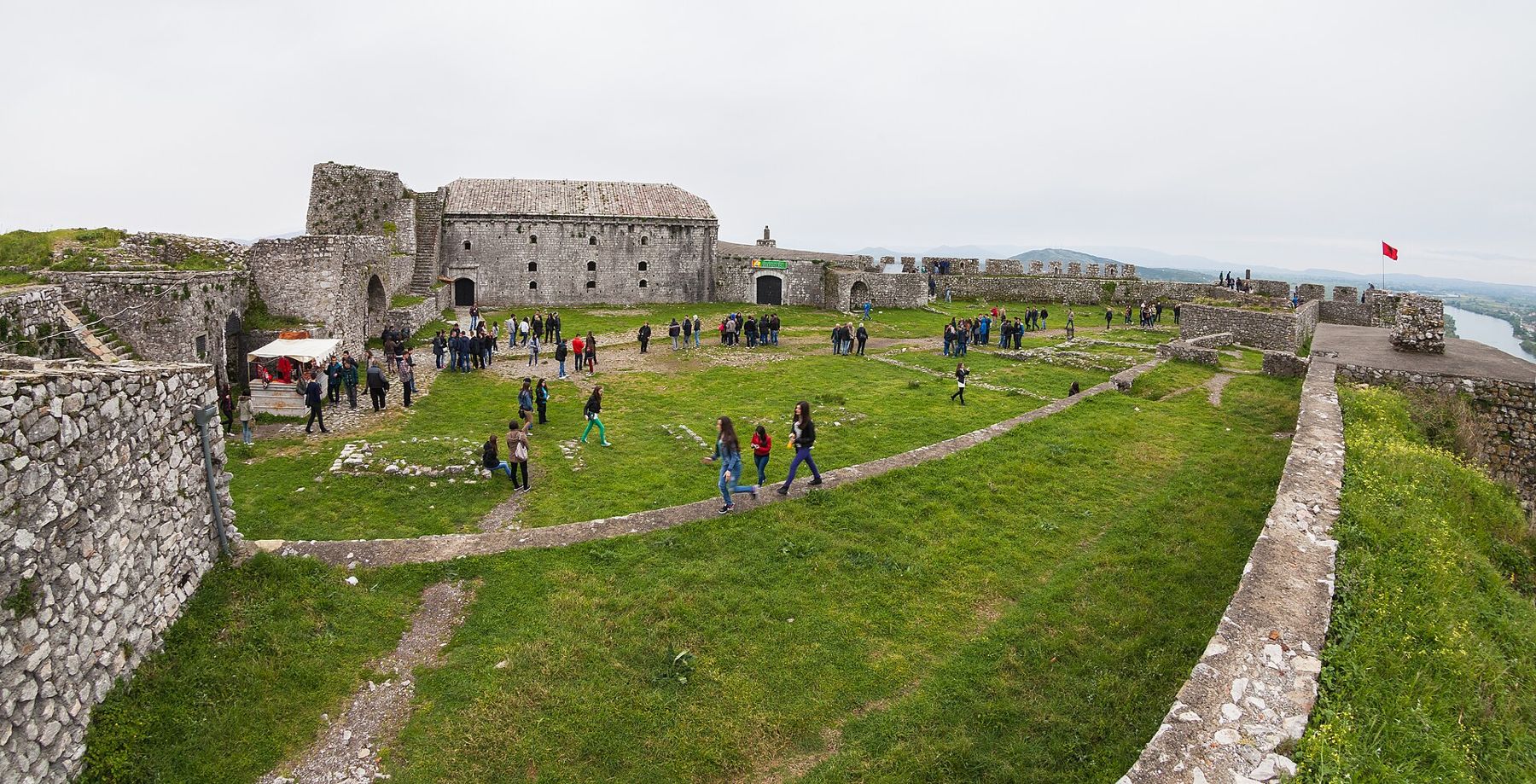
The story says the walls stood from then on. Water seeping from the stone near the entrance, white with lime, is still called Rozafa's milk, and women have come to it for generations. It is a dark tale, but in Albania it is told as a story of sacrifice and of a mother's love.
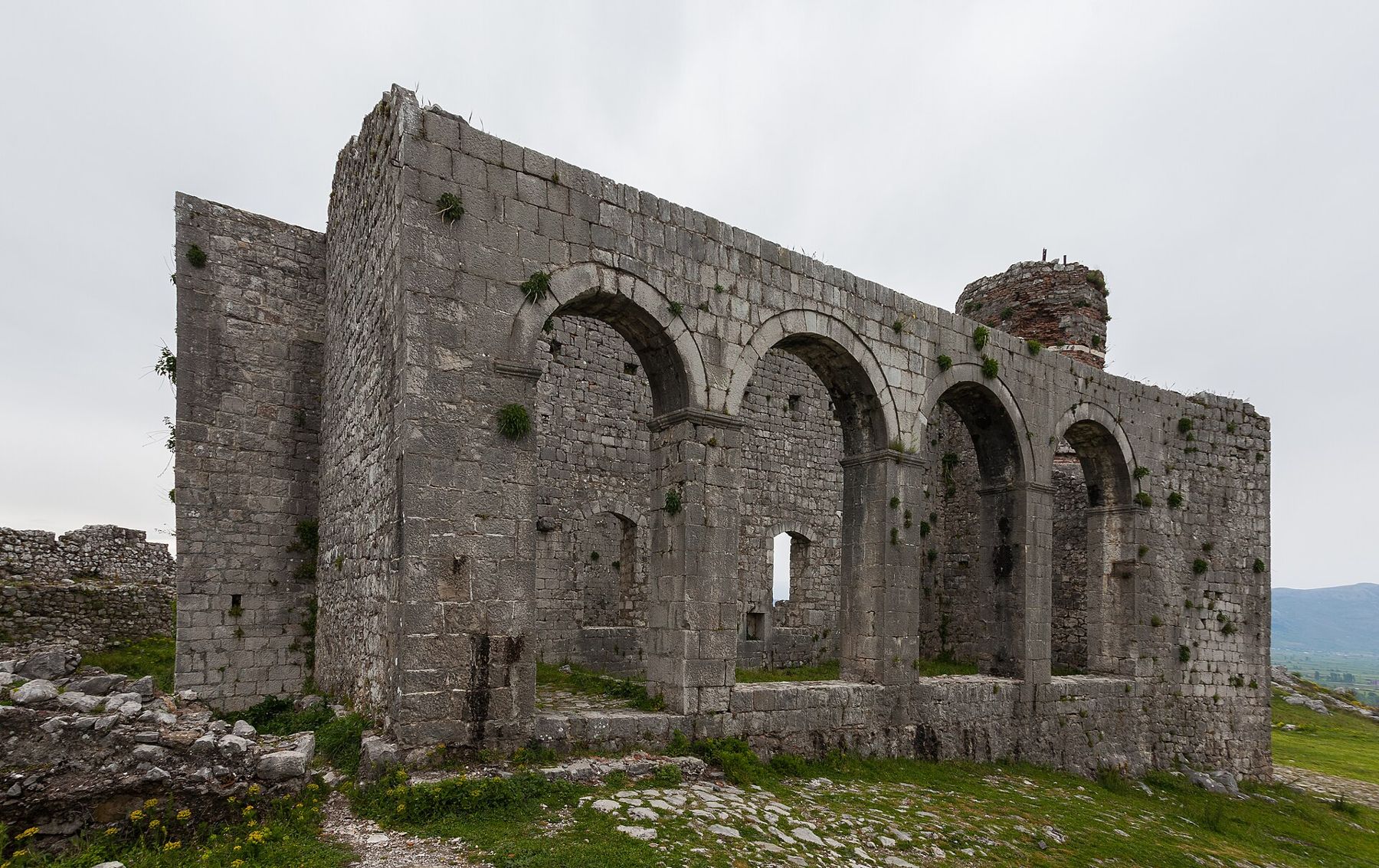
Inside the walls are the ruins of a church that was converted into a mosque after the Ottoman conquest. Its arches still stand, open to the sky. There is also a small museum in a restored building. But the main reason to climb is the view, especially in the late afternoon, when the lake turns gold and the mountains go blue.
A city of bicycles
Shkodër is flat, and its people ride bicycles. They ride to work and to school, to the market and to the café, in all weather, often carrying shopping, children or umbrellas. Older men ride slowly in suits. Teenagers ride two to a bike. It gives the city a pace and a sound that you do not find in Tirana: the click of gears, the ring of a bell, the hum of tyres on the paved streets of the centre.
For visitors, a bicycle is the best way to see the city and its surroundings. Hire shops are easy to find in the centre, and the ride out to the lake or to the castle is short and flat.
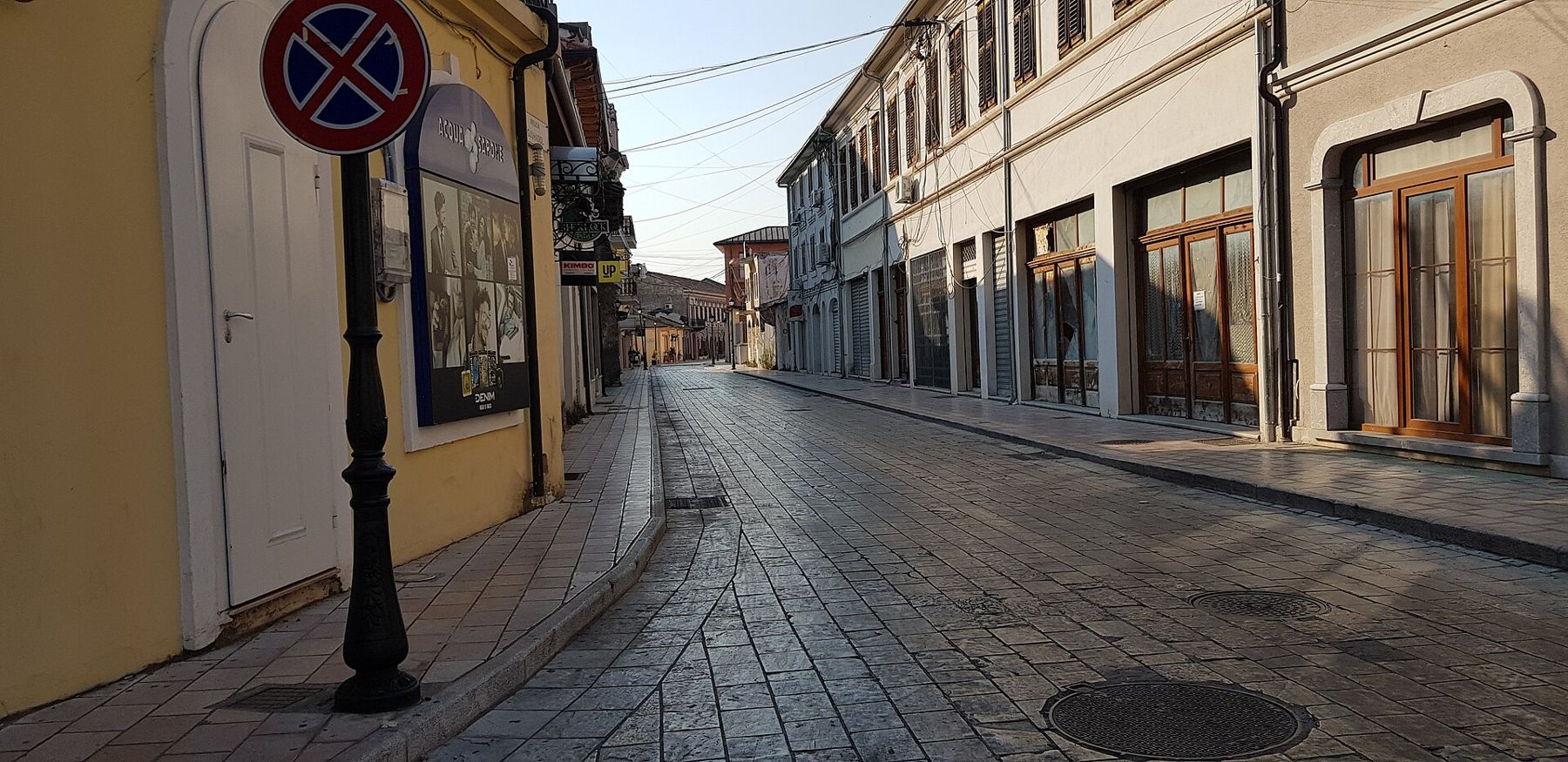
The centre of the city has been restored in recent years. The pedestrian streets around the old centre are lined with two-storey houses with tall shuttered windows, many of them now cafés and shops. In the evening they fill for the xhiro, the evening stroll, and the sound of bicycles gives way to the sound of conversation.
The Marubi photographs
In the middle of the nineteenth century, a photographer from Italy, Pietro Marubbi, settled in Shkodër and opened a studio. His successors, Kel Marubi and later Gegë Marubi, carried on the work into the twentieth century. Together they recorded the city and the north for about a hundred years: its people in traditional dress, its weddings and funerals, its politics and its streets.
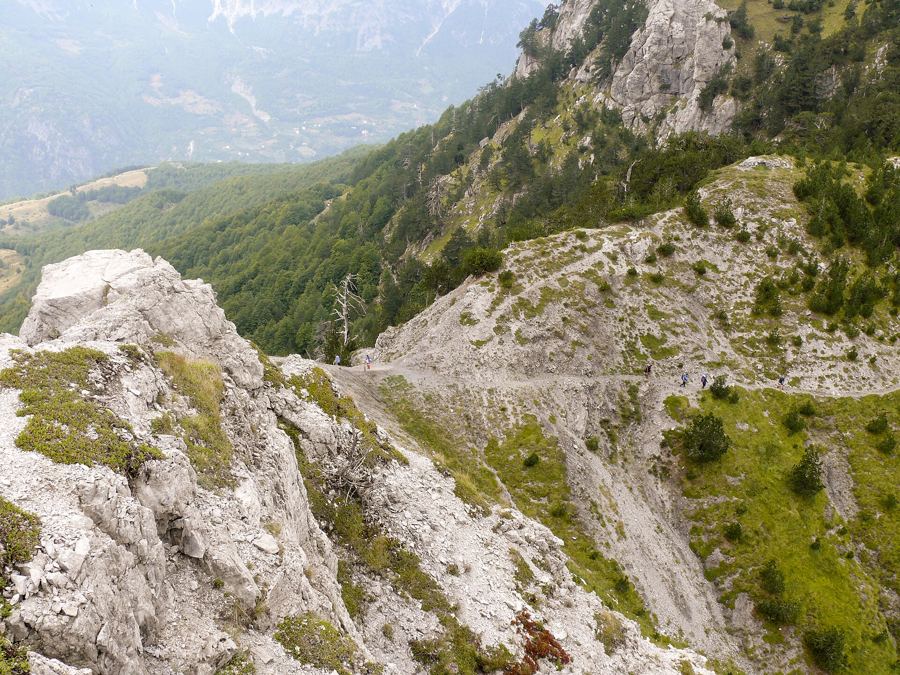 Read nextOver the Valbona Pass, from Valbona to Theth
Their archive, hundreds of thousands of negatives, is now held by the Marubi National Museum of Photography, in the centre of Shkodër. It is one of the finest collections of early photography in the Balkans, and the museum shows a rotating selection of images. The faces are the thing: highland men with long rifles and embroidered jackets, women in heavy silver jewellery, children squinting at the camera.
It has a different feel from Tirana: older, flatter, quieter, and proud of its own history.
The museum gives you a sense of how much has changed, and how much has not. Some of the streets in the photographs are still recognisable a few minutes' walk away. Hours and ticket prices change, so check before you go.
Faith in the north
Shkodër has long been a centre for both Muslims and Catholics, and the city's skyline shows it. The large Ebu Bekr Mosque stands near the centre, and the Catholic cathedral of St Stephen is a short walk away. Under communism, religion was banned in 1967, and many churches and mosques were closed or turned to other uses. Both faiths returned after 1990, and both are visible again in the city.
The Catholic community of the north suffered heavily under the regime. Priests and members of religious orders were imprisoned and executed, and in 2016 thirty-eight of those killed were beatified at a ceremony in Shkodër. Their story is told in the city's churches, and it is part of why faith here is held with a particular seriousness.
At the foot of Rozafa hill stands the Lead Mosque, an eighteenth-century mosque built in the Ottoman style, with a dome that was once covered in lead. It sits in low ground near the river and has often been surrounded by flood water.
The lake
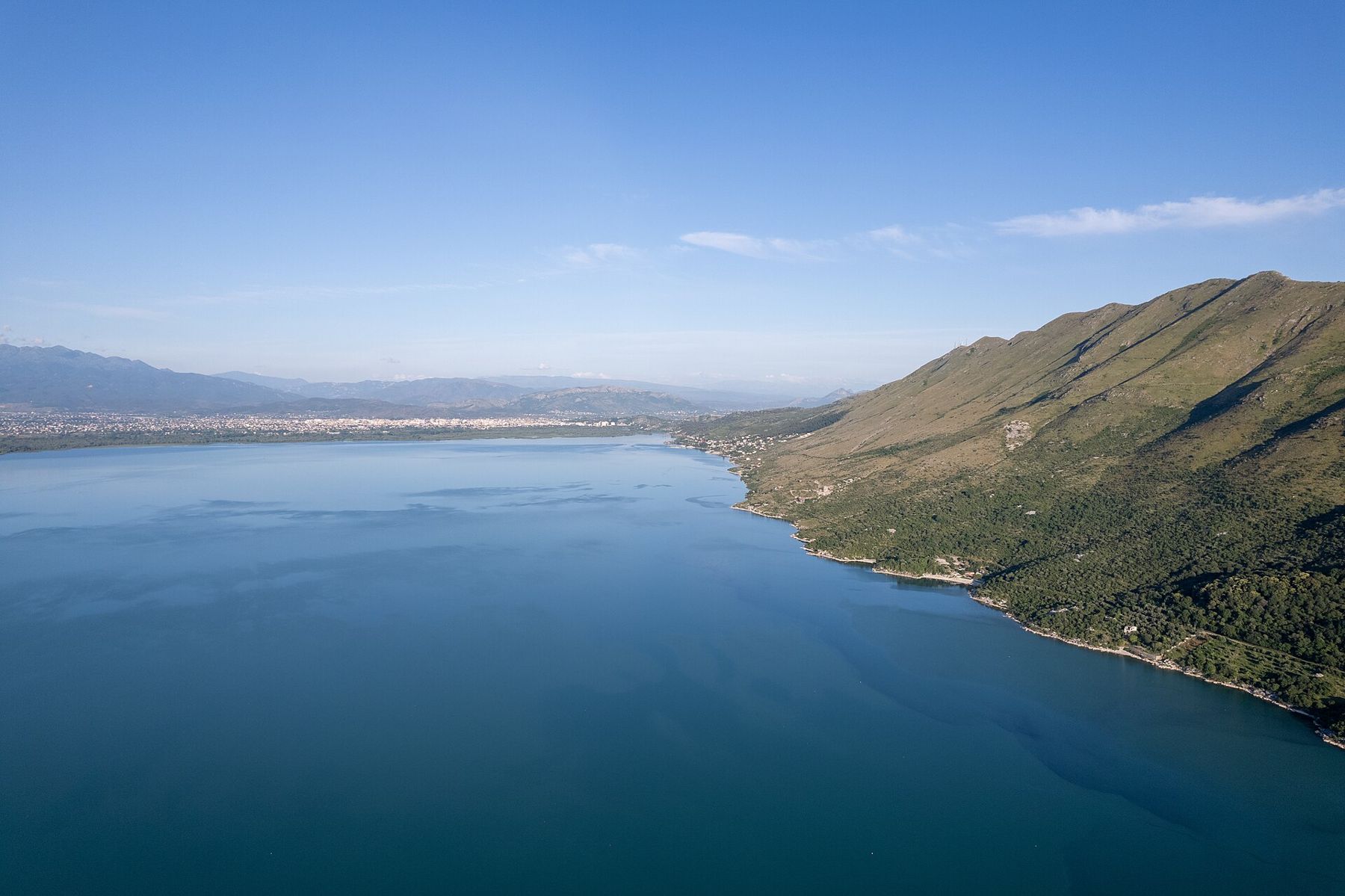
Lake Shkodër is the largest lake in the Balkans, shared between Albania and Montenegro. It is shallow, fed by rivers and springs, and changes size with the seasons. It is a place for birds, fishermen and quiet afternoons.
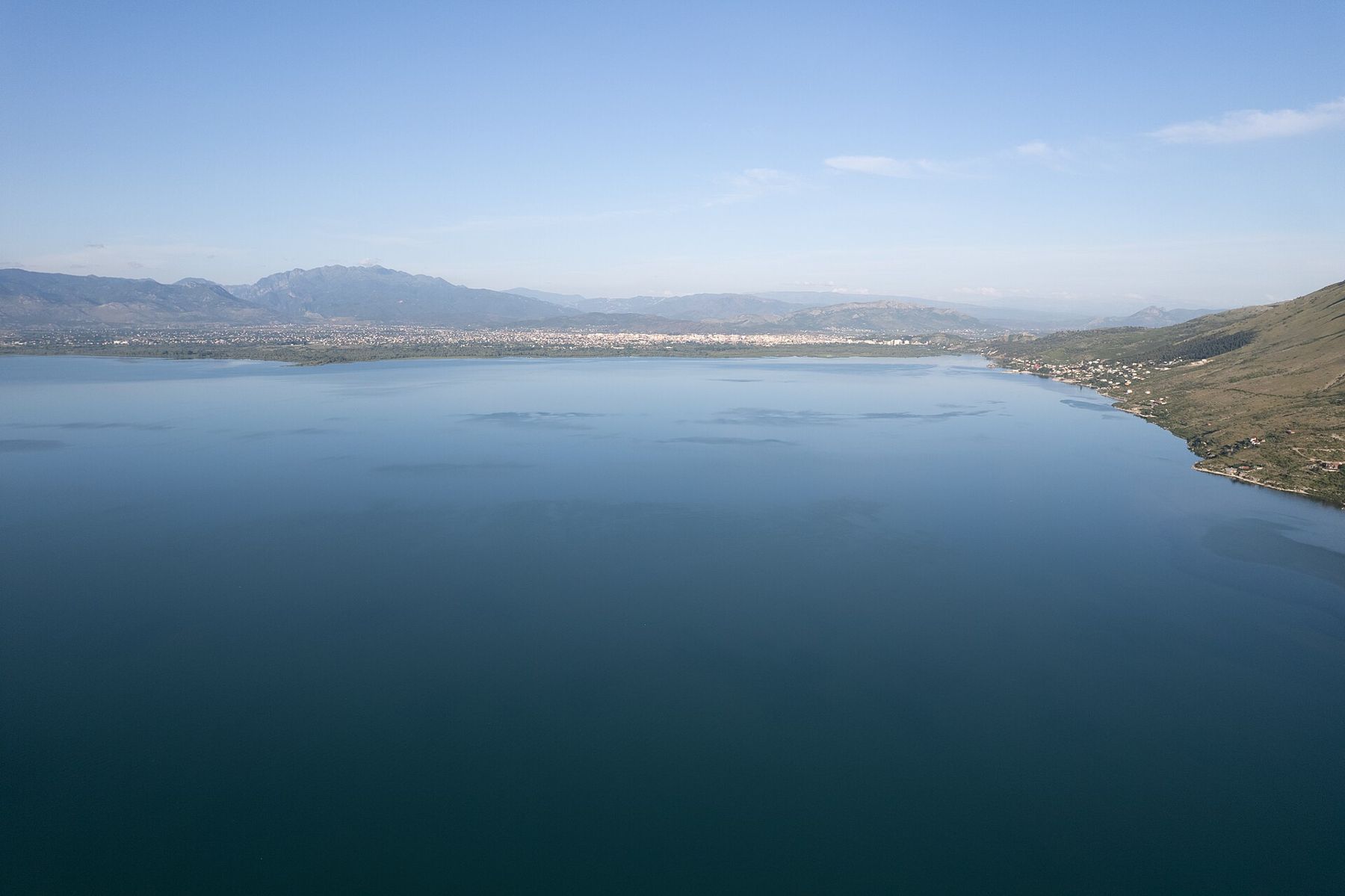
The road along the eastern shore leads north from the city through the village of Shiroka, where restaurants set out tables by the water and serve fish from the lake. It is an easy bike ride from the centre. Further on, the road continues towards the border with Montenegro.
On the other side of the city, the Buna river flows out of the lake and winds south-west to the Adriatic, marking part of the border with Montenegro. The plain along it is green and flat, with poplars, fields and small villages. It is good country for a long, slow bicycle ride, and you will meet more cows than cars.
East of the city, the Mes Bridge crosses the Kir river on a long run of stone arches, with a high, steep hump in the middle. It was built in the Ottoman period, in the eighteenth century, on the old road into the mountains, and it is one of the finest Ottoman bridges in Albania. A newer road bridge now carries the traffic beside it, so the old one is left to walkers, photographers and the sound of the river. It makes a good short ride from the centre, and the mountains rise directly behind it.
From the lake you can see the mountains rising to the north and east. Shkodër is the gateway to the Accursed Mountains, and many travellers pass through on their way to Theth or to the Lake Komani ferry.
Getting there and getting round
Shkodër is about two hours north of Tirana by road. Buses and furgons run between the two cities through the day; times change, so check before you travel. It is possible as a day trip, but many people stay a night, especially if they are going on into the mountains.
A good day starts in the centre with coffee and the Marubi, continues by bicycle to the lake for lunch at Shiroka, and ends at Rozafa for the sunset. Climb the castle hill in the last hour of light, and stand on the walls while the three rivers turn silver and the lake goes dark.
Filed under Day Trips