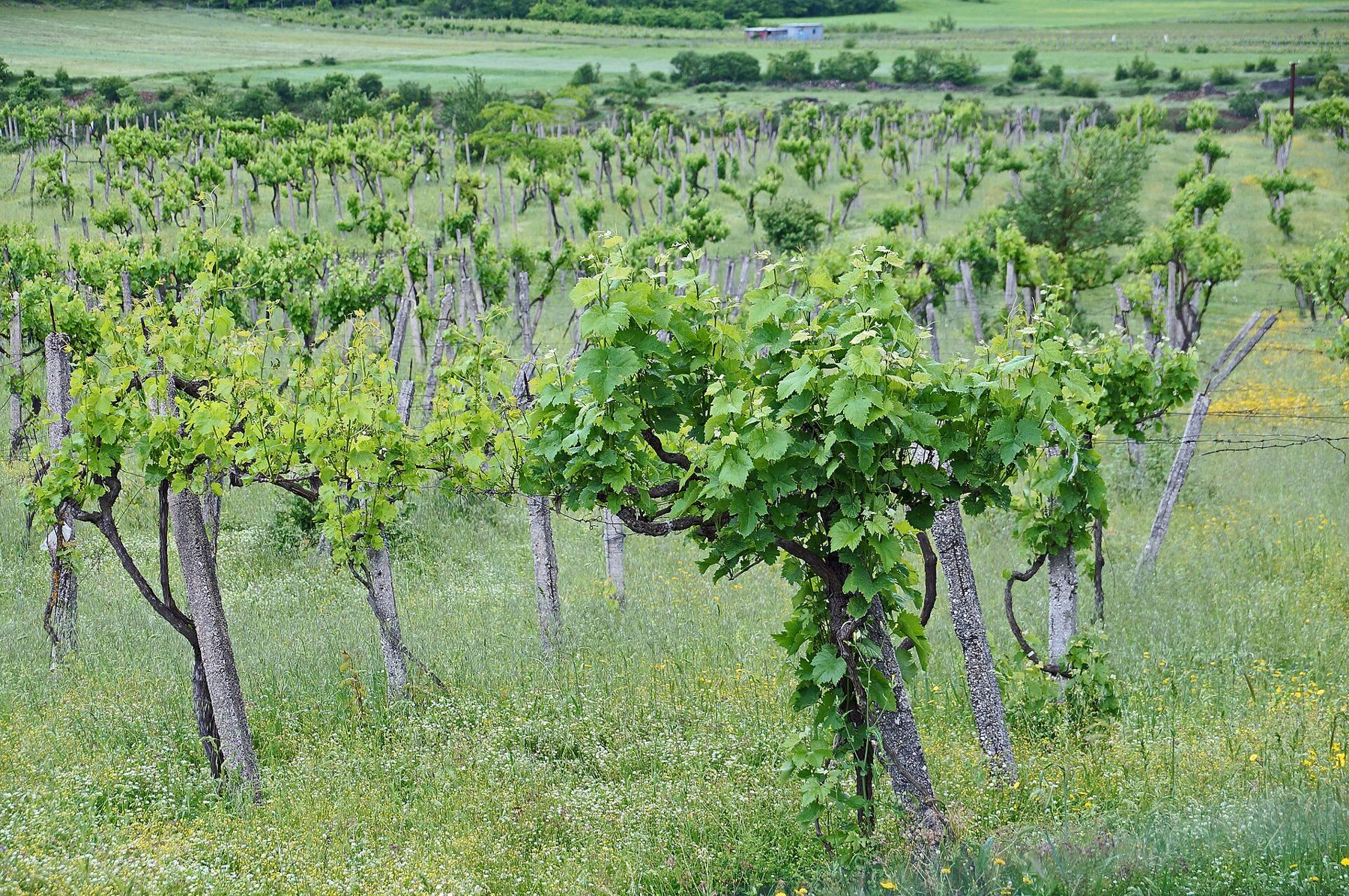
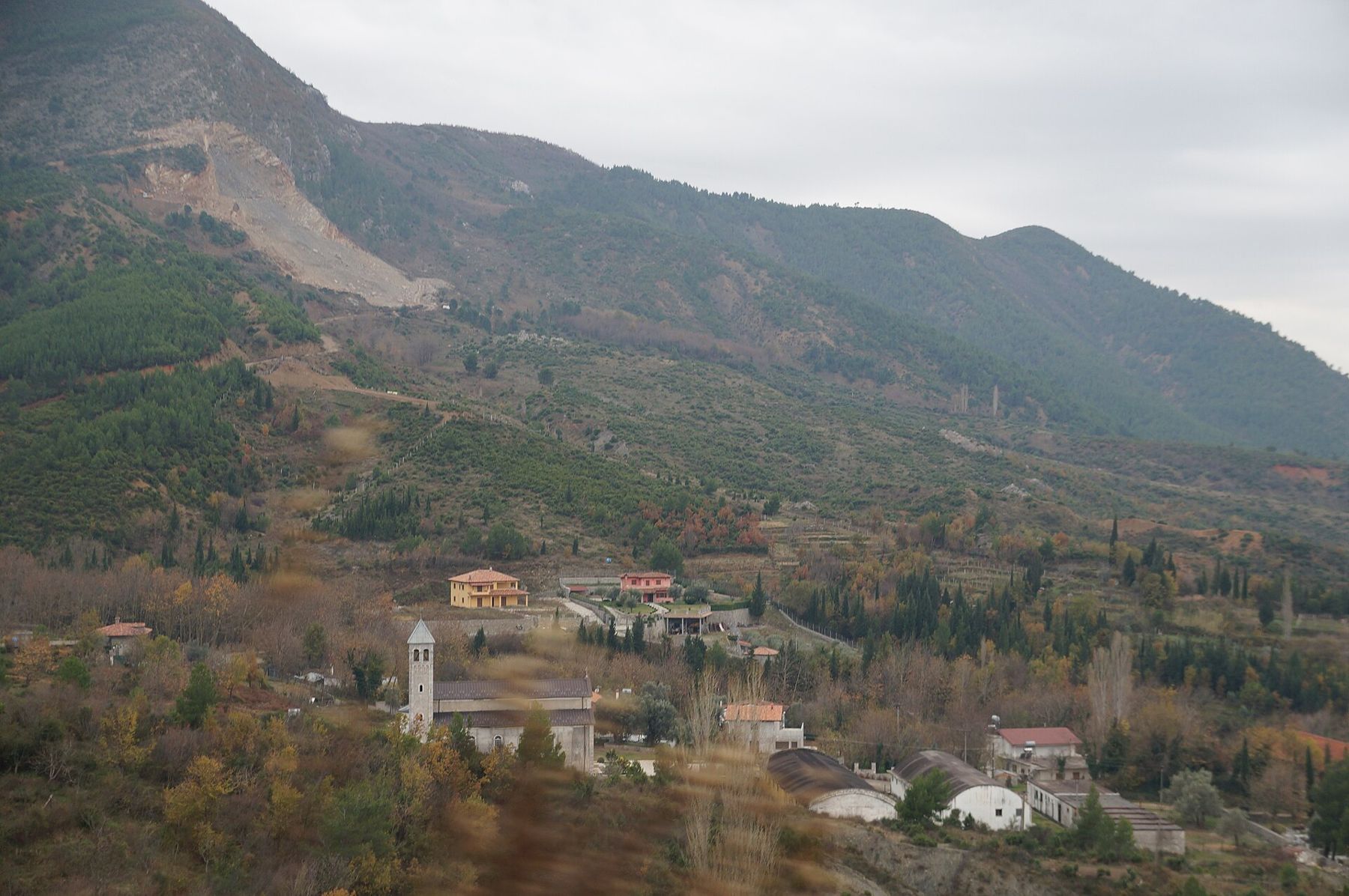
In late September, the road through Zadrima smells of fermenting grapes. Trailers loaded with dark bunches pull out of side lanes, and in village courtyards the pressing has already begun. This is the low plain between Shkodër and Lezhë, and it gave its name to one of Albania's best grapes, Kallmet, after the village on the slope above. It is a good place to start understanding a wine culture that is very old, interrupted and still finding its shape.
An old habit, a new industry
Vines have been grown in what is now Albania since antiquity. The Illyrians, the Greek colonies on the coast and the Romans all made wine here, and wine appears on coins, mosaics and pottery from the period. Through the Ottoman centuries, viticulture continued, especially among Christian communities and for raki, the grape spirit distilled from the pressings.
Under the communist government, wine was made in large state enterprises, with the emphasis on quantity. Vineyards were collectivised, and much of the old variety in the fields gave way to high-yielding plantings. After 1990 the state wineries collapsed, land was returned or redistributed in small plots, and for years most wine was made at home, for the family and the neighbours.
The last two decades have seen a revival. Family cellars have replanted native grapes, invested in modern equipment and started bottling under their own names. The scale remains small, the styles vary widely, and a good deal of the most interesting wine is still drunk within a short drive of where it is made.
That means Albanian wine rewards curiosity more than research. The bottles are rarely famous, the cellars are often small, and the most memorable glass may be the one poured by a host from an unlabelled jug.
The native grapes
Albania grows international varieties, including Merlot, Cabernet Sauvignon and Chardonnay, but the native grapes are what make its wine worth seeking out.
Many of them were nearly lost. In the decades of collective farming, planting favoured yield over character, and old local vines survived mainly in village gardens. The revival of the last twenty years has depended on those survivors, propagated again by growers who saw value in them.
Kallmet is the red grape of the north, grown around Zadrima, Shkodër and Lezhë. It gives deep-coloured wines with dark fruit and enough structure to age. It is the grape most often held up as Albania's finest red.
Shesh i Zi, the black Shesh, is the most widely planted red of central Albania, around Tirana and Durrës. It makes fresh, fruity reds that go well with grilled meat. Its white partner, Shesh i Bardhë, gives light, aromatic whites for summer.
Pulës is a white grape associated with the Berat area, producing dry, fresh whites. In the south, around Përmet and the Vjosa valley, Debina, a white grape shared with the Greek side of the border, gives crisp, aromatic wines. Around Vlorë and the coast, Vlosh is the local red.
Names and spellings vary from label to label, and some producers blend native and international grapes. A curious drinker is usually rewarded by asking which grape is in the glass.
Much of the best Albanian wine never reaches a shop, let alone an export market, and the bottle in your bag may be one of a few hundred.
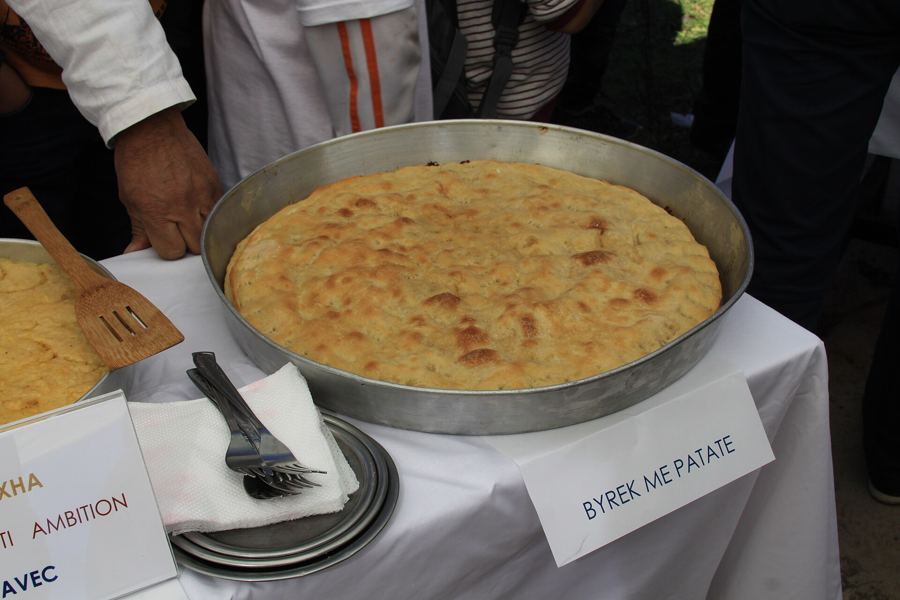 Read nextWhat to eat in Albania, from byrek to trileçe
Home wine and the village press
For most of the past century, the most widely drunk Albanian wine was never bottled at all. Families in the countryside kept a few rows of vines, or a single old plant trained over the courtyard, and pressed the grapes each autumn. The juice fermented in barrels or plastic drums in the cellar, and the pressings went into the still for raki. That tradition is still alive. Drive through the hills in October and you will see grapes drying, barrels being washed and smoke rising from stills.
Home wine varies enormously. Some is clean, bright and delicious; some is sharp, cloudy or oxidised. It is served young, cool and in quantity, and refusing a second glass is harder than refusing the first. Many restaurants buy their house wine from local families, which is why the carafe on the table can be a pleasant surprise.
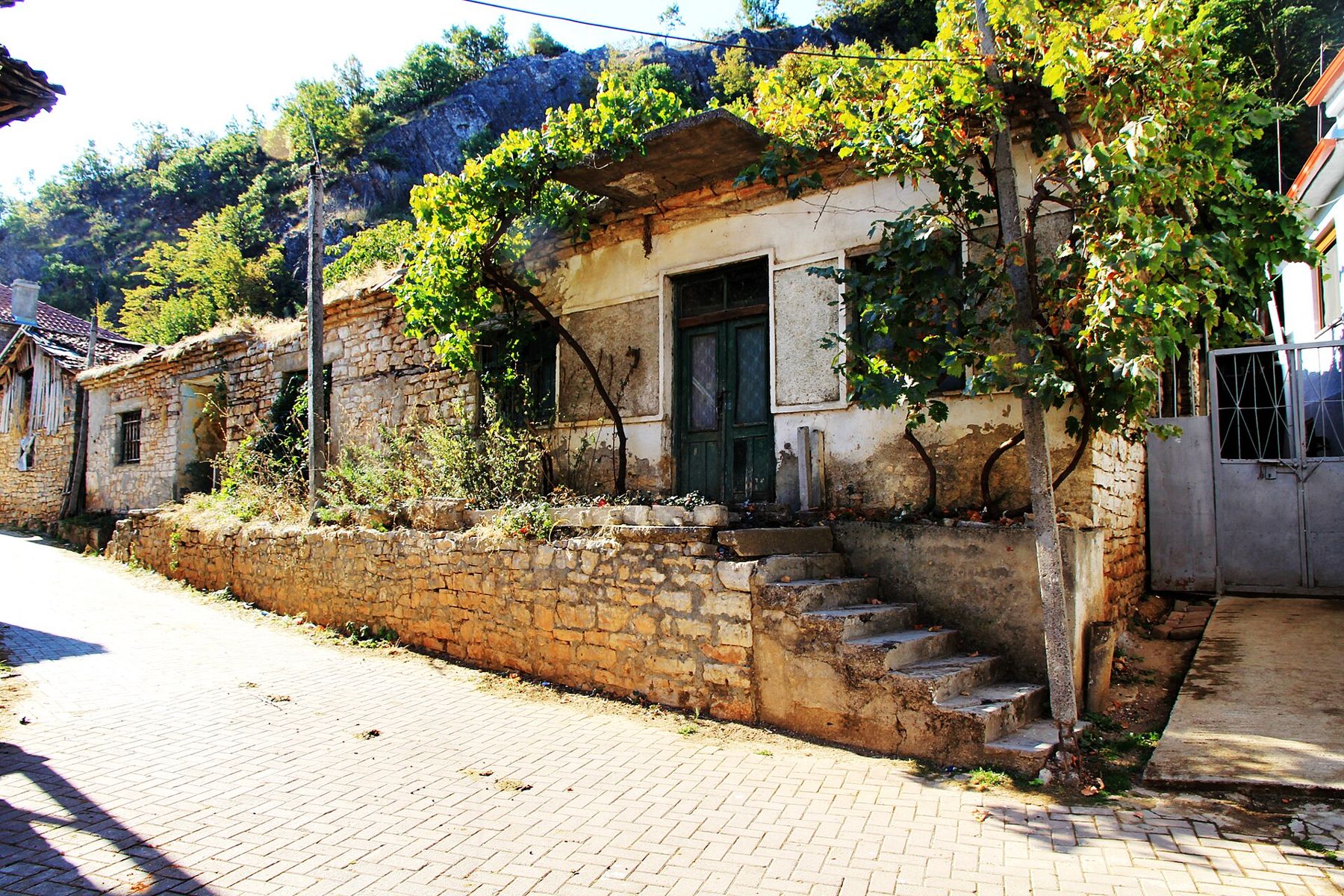
Old vines trained over porches and walls are part of the look of the country, from the houses of Berat to the villages above Lake Ohrid. In summer, the vine gives shade; in autumn, grapes for the table and the barrel.
The regions in general terms
There is no formal appellation system that a visitor needs to learn, but a rough map helps.
The north, centred on the Zadrima plain and the hills around Shkodër and Lezhë, is Kallmet country. The land is flat to rolling, the summers hot, and the vineyards often sit beside small Catholic churches and old village houses.
The centre, around Tirana, Durrës and Kavajë, has the largest plantings and many of the best-known cellars, several within an hour of the capital. Shesh grapes dominate here, and a winery lunch makes an easy half day out of the city.
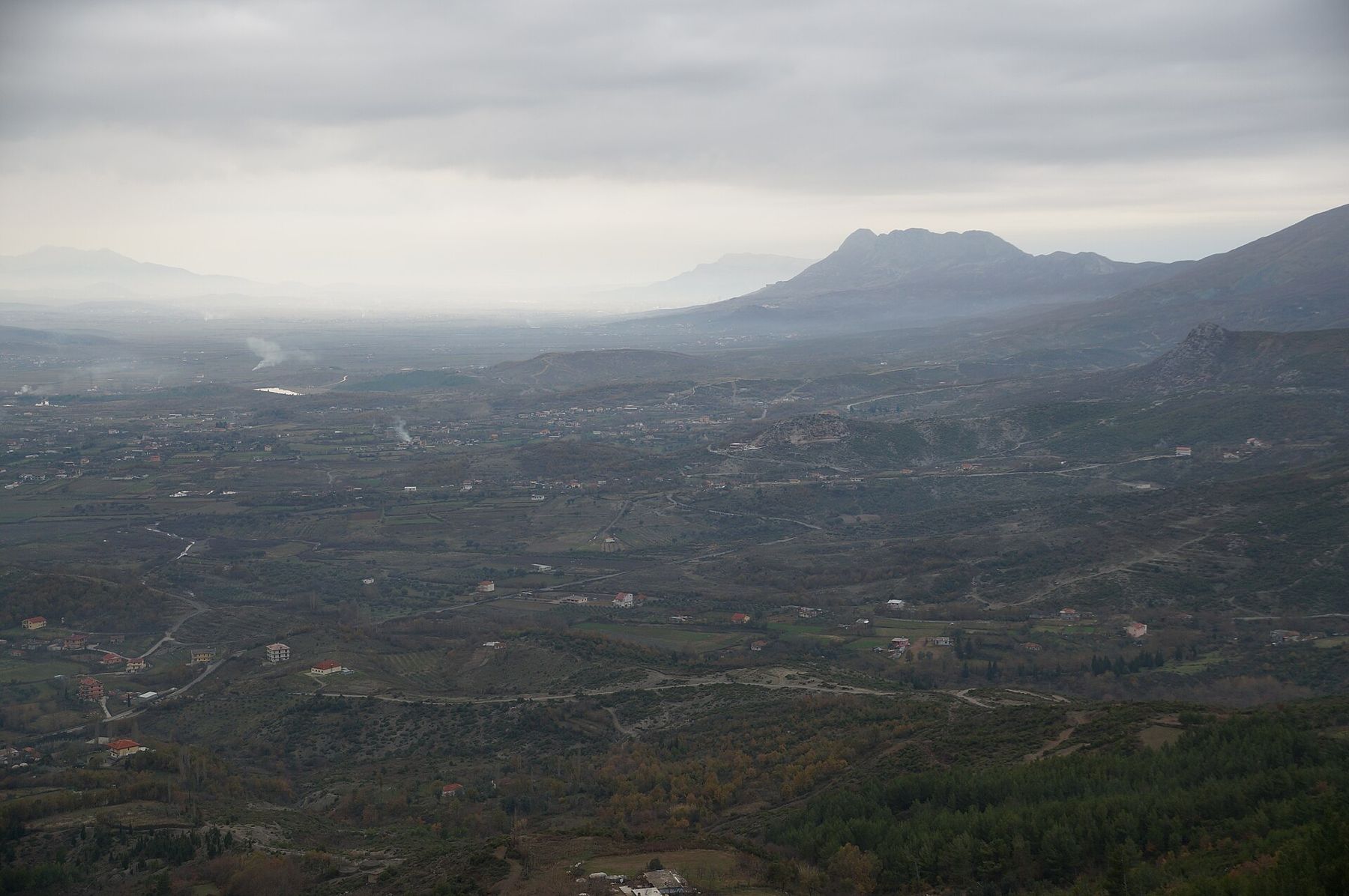
Berat and its hills grow Pulës and other grapes on terraces above the Osum river, and the town's old reputation for wine and raki is part of its character. Further south, Përmet and the Vjosa valley are known for Debina, for raki and for gliko, the fruit preserves. In the southeast, Korça has a long tradition of fruit growing and its own wine and raki makers, though the town is better known for its beer.
The coast, from Durrës down to Vlorë, has vineyards too, especially on the hills just inland, and the warm, dry summers there give riper, rounder wines. Few visitors notice them, since the eye is on the sea.
Visiting cellars
A visit to an Albanian winery tends to be informal. Many cellars are family businesses where the person pouring is also the person who made the wine. Some have restaurants, tasting rooms or guest rooms; others open only by arrangement. Opening days, tasting fees and the range on offer change, so it is best to call or message ahead, especially outside the summer season.
The easiest visits are from Tirana, where several wineries lie on the hills to the west and south, and from Shkodër, with the Zadrima cellars a short drive away. A day trip to Berat can include a tasting, and the road south through the Vjosa valley passes through Përmet's vineyards. Do not drive after tasting: the roads are demanding and the rules on alcohol are strict.
In restaurants, house wine in a carafe is the usual order. It is often made locally and can be good or merely honest. Bottled Albanian wine is now easy to find in Tirana's restaurants and wine bars, though imports from Italy, North Macedonia and Kosovo also fill the lists.
What to drink with what
The rules are the obvious ones. A young Shesh i Zi with grilled qofte and lamb, a Kallmet with roast meat or slow-cooked tavë kosi, a cold Shesh i Bardhë or Pulës with salad, white cheese and fish on the coast. Most Albanian wine is made to be drunk with food rather than studied on its own, and it shows best at the table.
A few combinations are worth seeking out. Debina from the south, served cold, suits the fried courgettes and fresh cheese of a summer lunch. Kallmet stands up to the smoked and cured meats of the north and to the richer baked dishes of the winter table. And a glass of Pulës alongside a plate of Berat's olives, in the evening light on the river, is about as local as a drink can get.
After the meal, someone may bring out the raki, distilled from the same grapes. That is the north and south of it: the wine for the meal, the raki for the welcome and the goodbye, as the long afternoons of the country make clear.
Buy a bottle from a cellar if you find one you like. Much of the best Albanian wine never reaches a shop, let alone an export market, and the bottle in your bag may be one of a few hundred.
Keep it cool on the drive, and open it with whatever you have left from the market: a slab of white cheese, a handful of olives, bread. That is how it was meant to be drunk.
Filed under At the Table