The first smell of an Albanian morning is usually butter and hot pastry. Bakeries open early, the trays come out of the oven in wide rounds, and a square of byrek is cut and folded into paper for someone on the way to work. That is a fair introduction to the country's food: home cooking, generous with dairy, shaped by the Ottoman centuries, the Mediterranean coast and the mountain villages, and rarely fussy.
Menus in Tirana and the towns look similar at first glance. Look closer and the regions show through: lake fish around Shkodër and Ohrid, lamb and dairy in the south, maize bread and slow pies in the north. These are the dishes to know.
Byrek
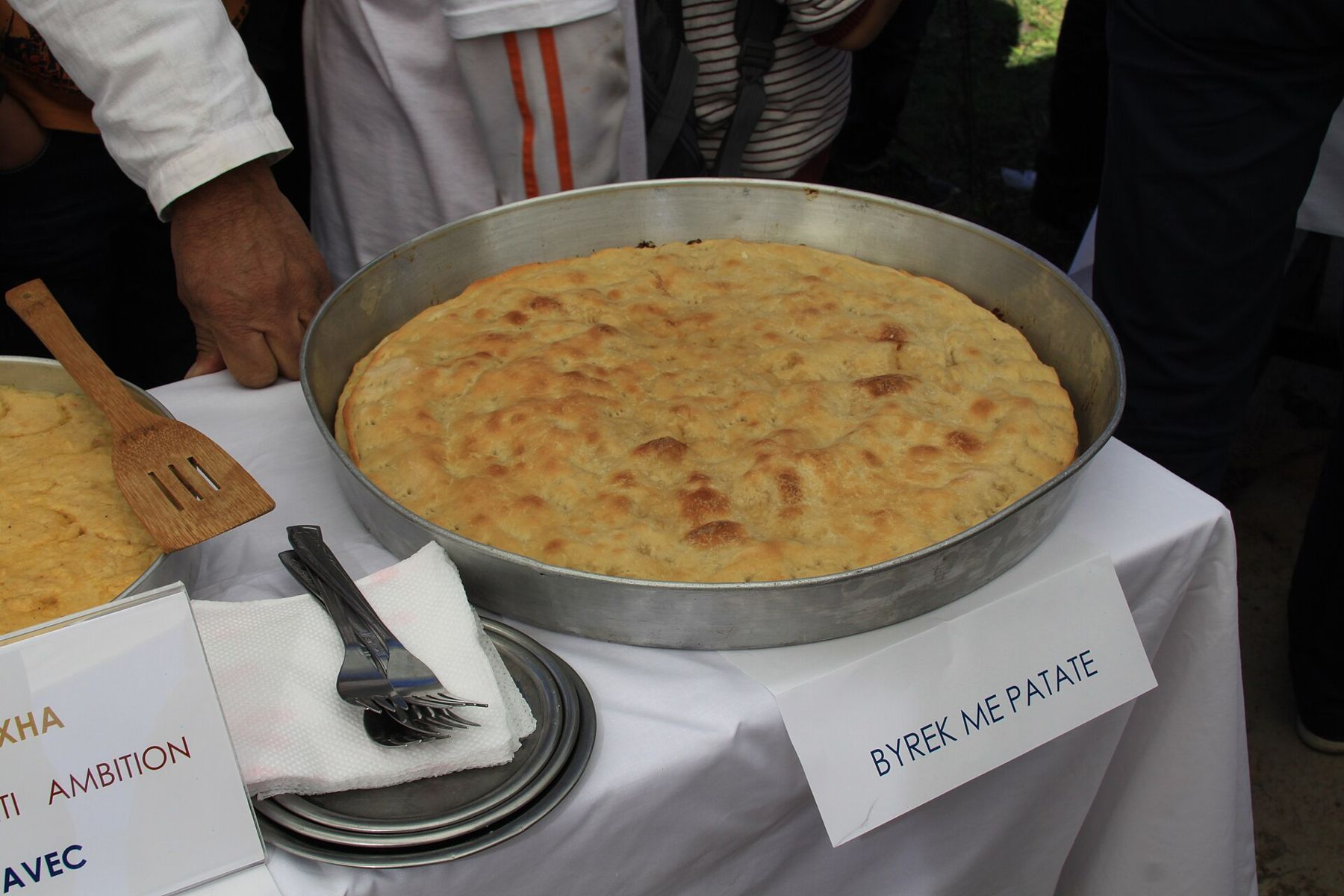
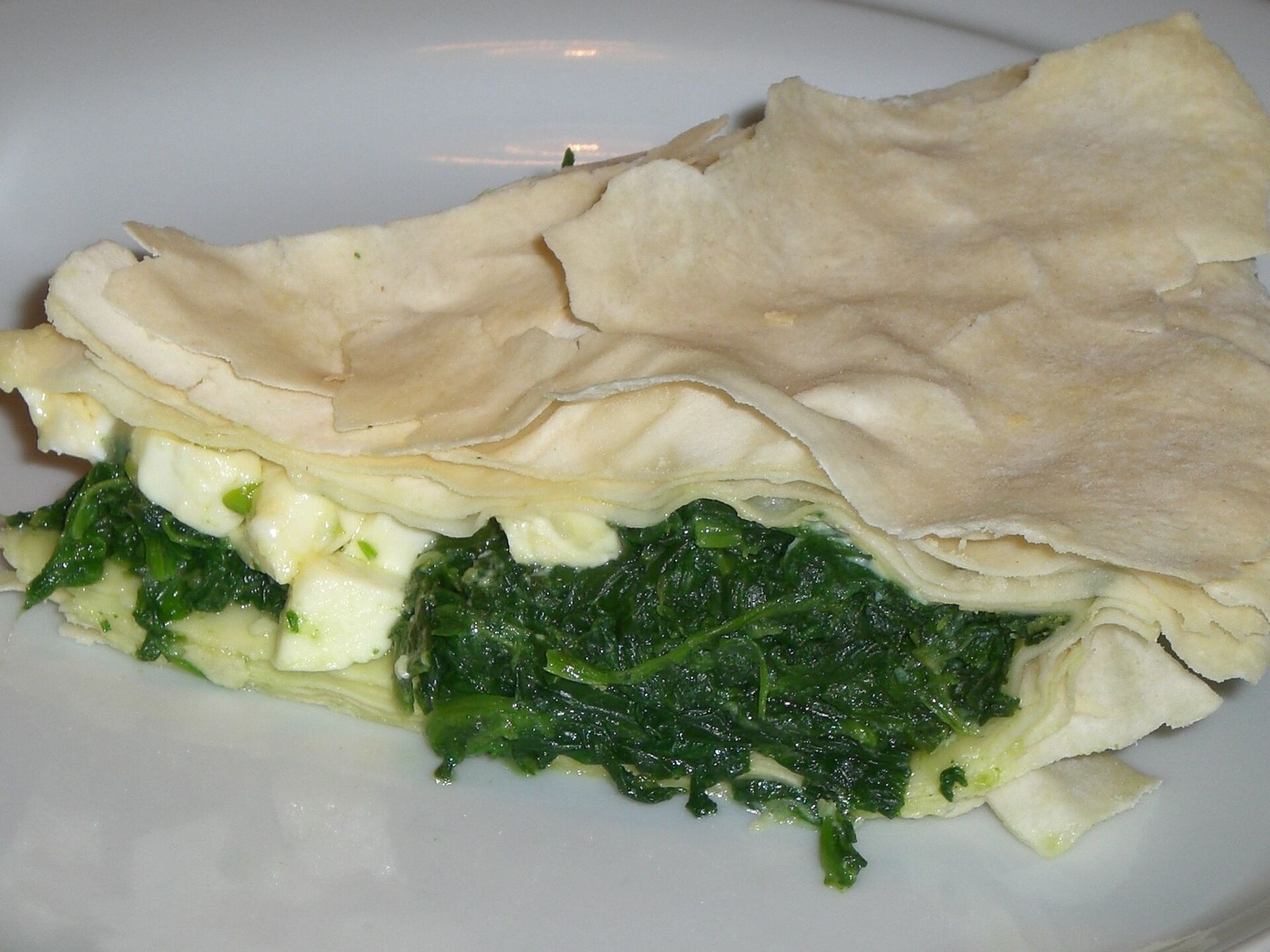
Byrek is the everyday pie: thin sheets of dough layered or rolled around a filling, then baked until the top blisters. The classic fillings are spinach, white cheese, minced meat, leeks, onion and tomato, and potato. In the south a similar pie is often called lakror, and some households still roll the pastry by hand into sheets so fine they are almost transparent. Buy it from a byrektore, the specialist bakery, where it costs little and goes fast in the morning. Eat it warm. A cold slice from the counter at four in the afternoon is a different and lesser thing.
Tavë kosi
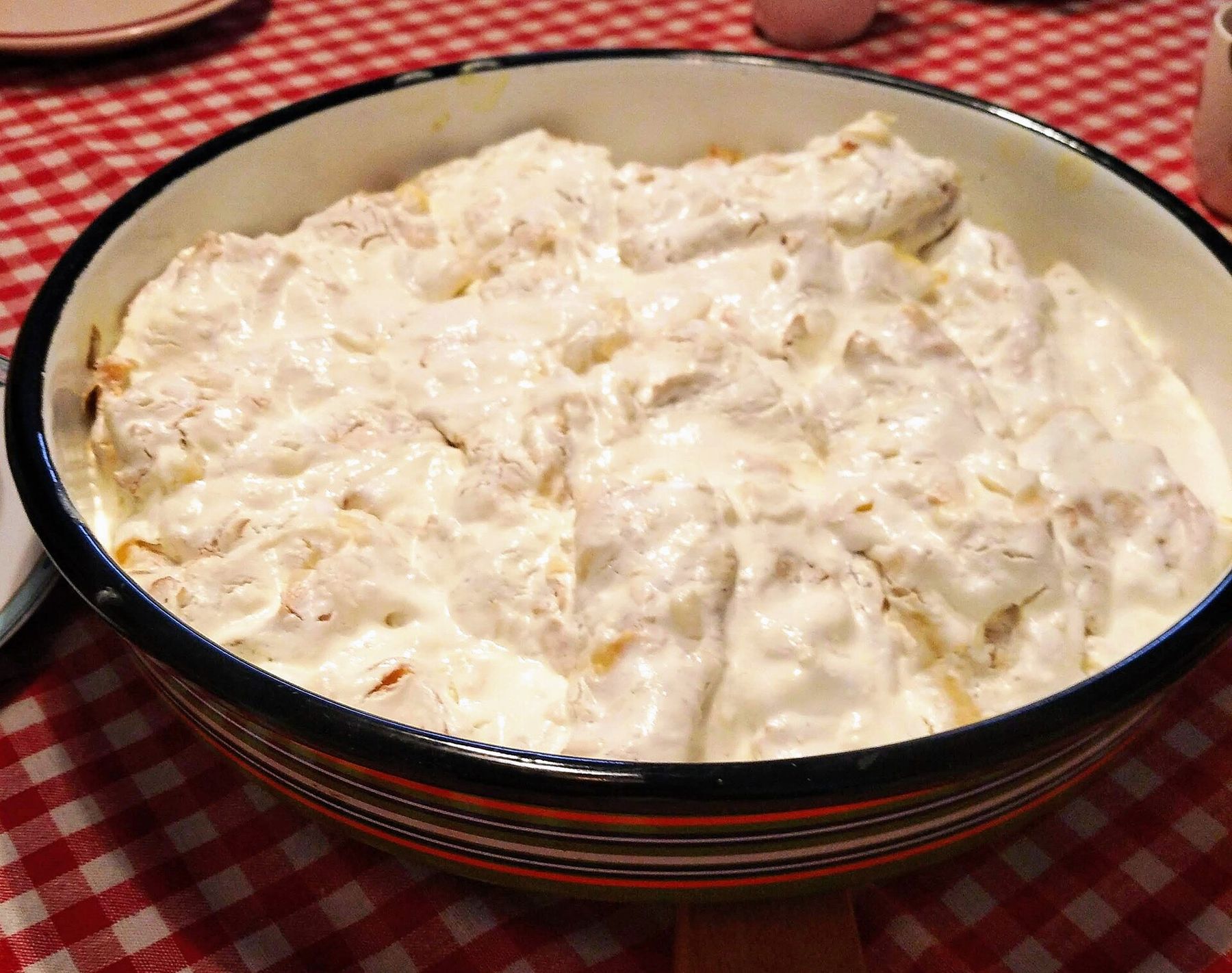
If Albania has a national dish, this is the leading candidate. Tavë kosi is lamb baked with rice under a thick layer of yoghurt beaten with eggs and a little flour, so the top sets into a golden, slightly soured custard while the meat cooks underneath. The dish is tied to Elbasan, the town in the centre of the country, though it is cooked everywhere. It comes to the table in the clay or metal dish it was baked in, still bubbling at the edges. Order it at lunch, when traditional restaurants have it freshly made, and give it a few minutes to cool.
Fërgesë
Fërgesë is Tirana's dish, a thick, rich mix of roasted peppers, tomatoes and gjizë, the salty curd cheese, cooked down with butter or oil until it is somewhere between a stew and a dip. It is served hot in a small earthenware pot with bread for scooping. Some cooks add liver or other meat, and menus usually say which. In the old restaurants near the centre it is ordered as a starter for the table, alongside salad and cheese, and it disappears fast. It is one of the easiest ways for a vegetarian to eat well in the capital.
Qofte and the grill
Qofte are small grilled patties of minced meat, usually beef or lamb or a mix, seasoned with onion, mint or herbs and served with bread, raw onion and a dollop of yoghurt. Every town has a qofteri, and the smoke from the grill is a reliable guide to the good ones. The grill also gives you skewers, sausages, lamb chops and offal for the adventurous. In the countryside, roast lamb or kid turned slowly over a fire is the meal for weddings and holidays. A plate of mixed grill, a salad and a carafe of house wine is the standard lunch for a long drive.
Flija
Flija belongs to the north and to the patience of the people who make it. A thin batter is spread in a round tray, cooked under a saç, a heavy metal lid heaped with embers, then brushed with cream and covered with another layer, again and again, until the pie stands in pale and golden rings. It can take hours. The result is soft, layered and rich, eaten with honey, cheese or pickles. It is a dish for gatherings rather than restaurant menus, so when you see it offered, especially in the northern hills or in villages near the Kosovo border, take it.
 Read nextCoffee, raki and the long afternoon
Pies beyond byrek
The pie tradition runs wider than the bakery counter. Bakllasarëm is layers of baked dough softened with yoghurt and garlic and finished with hot browned butter, a dish that feels like home cooking wherever it appears. In the villages, maize flour turns up in pies and in a dense cornbread, and a potato pie made with maize pastry is a rural staple. Pite with greens, wild or garden, is cooked in spring, when the hillsides offer nettles, dock and wild leeks. Ask what the house pie is. The answer changes with the season.
Olives, cheese and salad
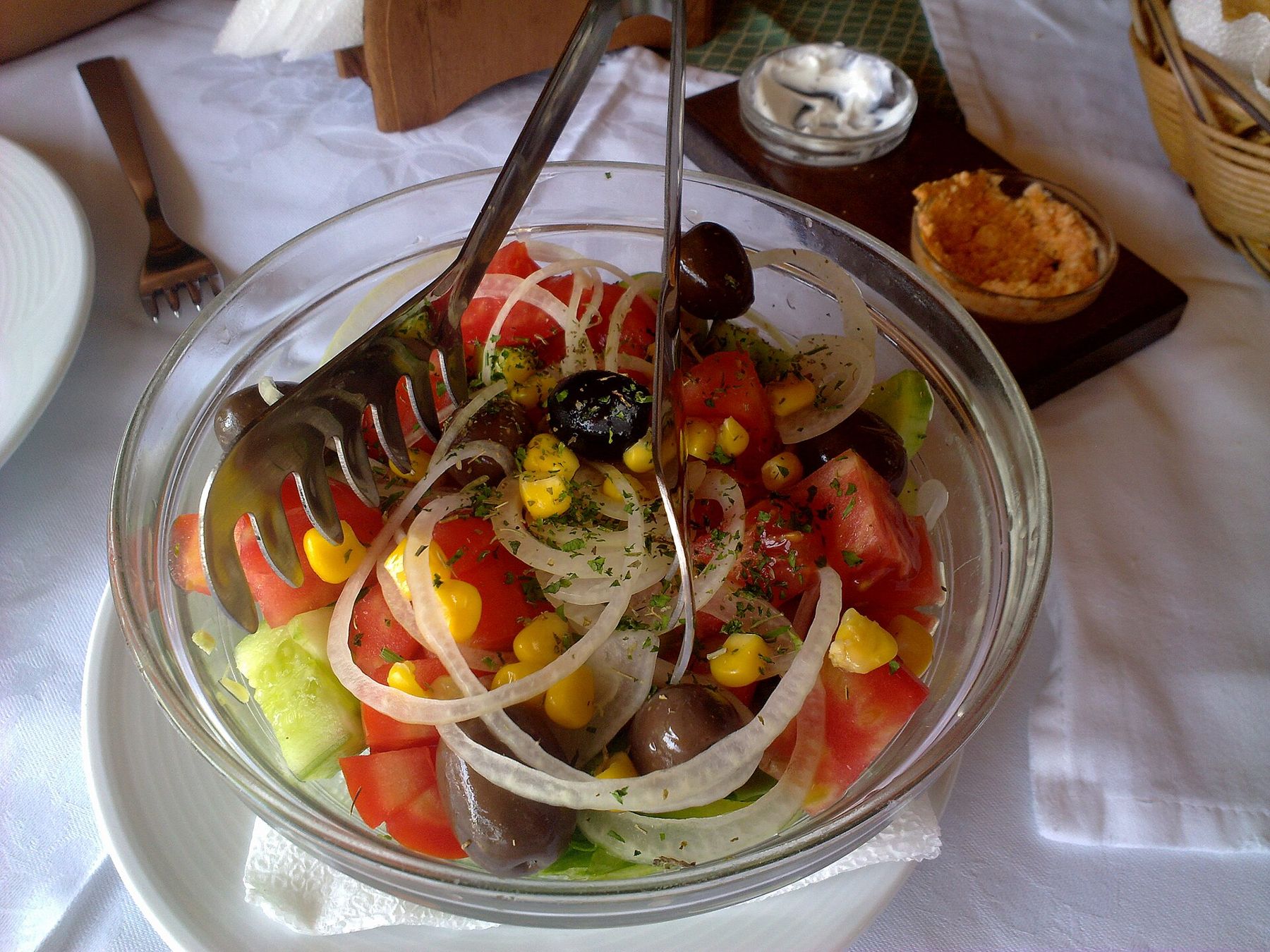
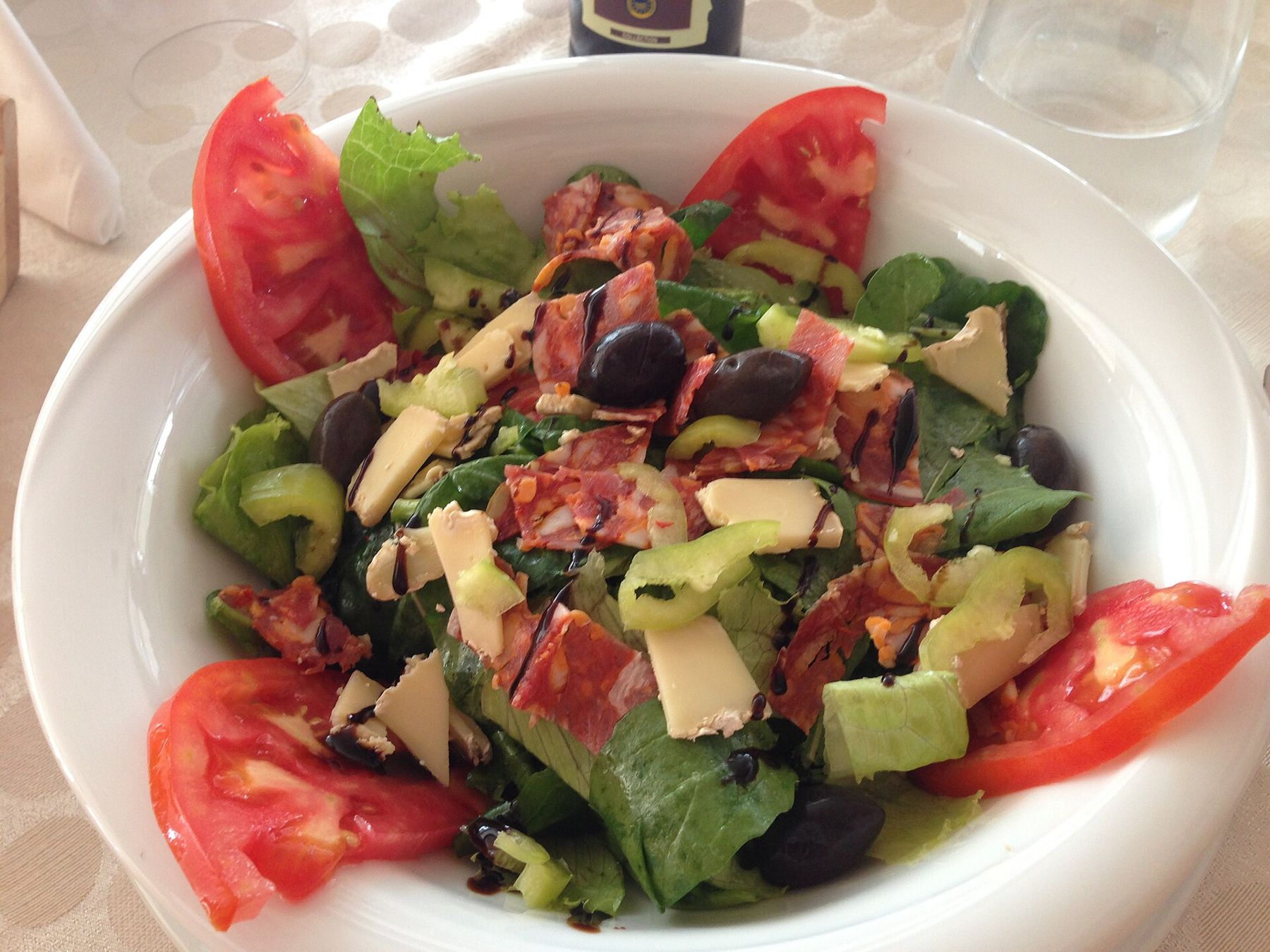
Almost every meal begins the same way. A plate of tomato, cucumber and onion, dressed with oil and salt, arrives alongside a slab of white brined cheese and a dish of olives. The cheese, djathë i bardhë, is made from sheep's, goat's or cow's milk and ranges from mild to sharp. Kaçkavall, a firmer yellow cheese, is often fried. Olive trees cover the hills of the south and centre, and the oil is used freely. Berat's large green olives have a good name, and many families press their own. Nobody will think less of you for making a meal of this course alone.
Beans, peppers and the home kitchen
Restaurant menus lean on grilled meat, but home cooking leans on vegetables. Jani me fasule is a bean stew with tomato, onion and mint, eaten through the winter. Peppers are stuffed with rice and herbs or with meat, then baked. Courgettes, aubergines and okra are cooked slowly in oil with tomato, and lentils and chickpeas appear in soups. In autumn, peppers are roasted and preserved for the cold months. Look for the word tavë, a baking dish, on a menu: it usually signals something cooked slowly in the oven, often with these vegetables.
Trileçe and the sweet tray
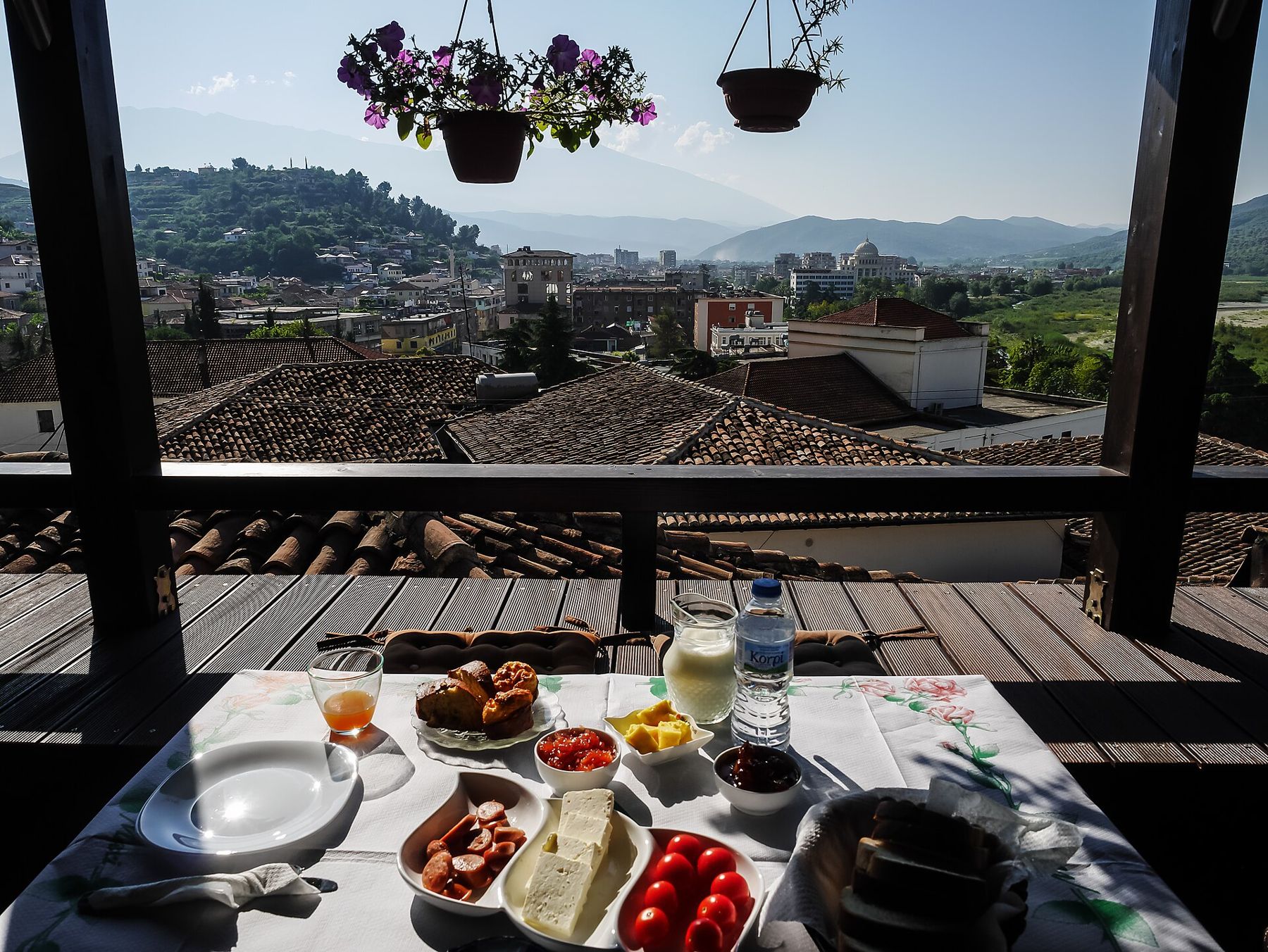
Trileçe, a sponge cake soaked in three kinds of milk and topped with a layer of caramel, has become the dessert that every café and restaurant in the country seems to offer. It is light, very sweet and best cold. The older sweets came with the Ottoman centuries: baklava with walnuts, kadaif and syrup-soaked semolina cakes, usually made at home for holidays. In the south, hosts offer gliko, whole fruits or peels preserved in syrup and served on a small spoon with a glass of water. It is a welcome rather than a dessert, and it is polite to accept.
Reading the regions
A rough map helps. In the north, food is heartier: maize bread, flija, dairy and meat from the mountains, and fish from Lake Shkodër, including carp cooked with onions. Around Korça and the southeastern lakes, the pies and baked dishes are celebrated, and lake fish from Ohrid, including the koran trout, has long been prized. The south brings olives, lamb, goat's cheese and the herbs of dry hills, while Gjirokastër is known for qifqi, rice balls bound with egg and herbs. The coast adds grilled fish, mussels and octopus. Tirana has all of it, plus a growing number of places doing modern versions.
Wherever you sit, bread arrives first and keeps coming. Tear it, use it on the fërgesë, and leave the last piece on the plate when you are full.
A good place to start is the morning market in the New Bazaar, where the cheese, olives and honey are laid out by the people who make them. For a sense of the pies of the south, the old houses of Gjirokastër and Berat serve them at their best.
Filed under At the Table