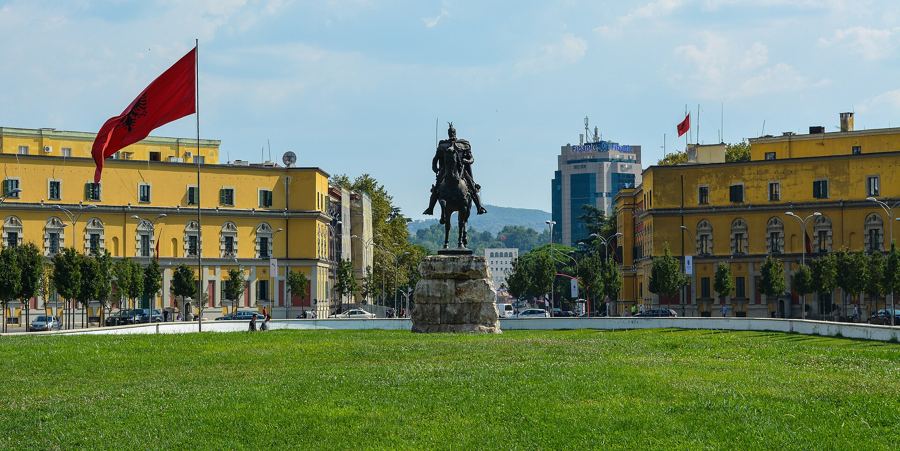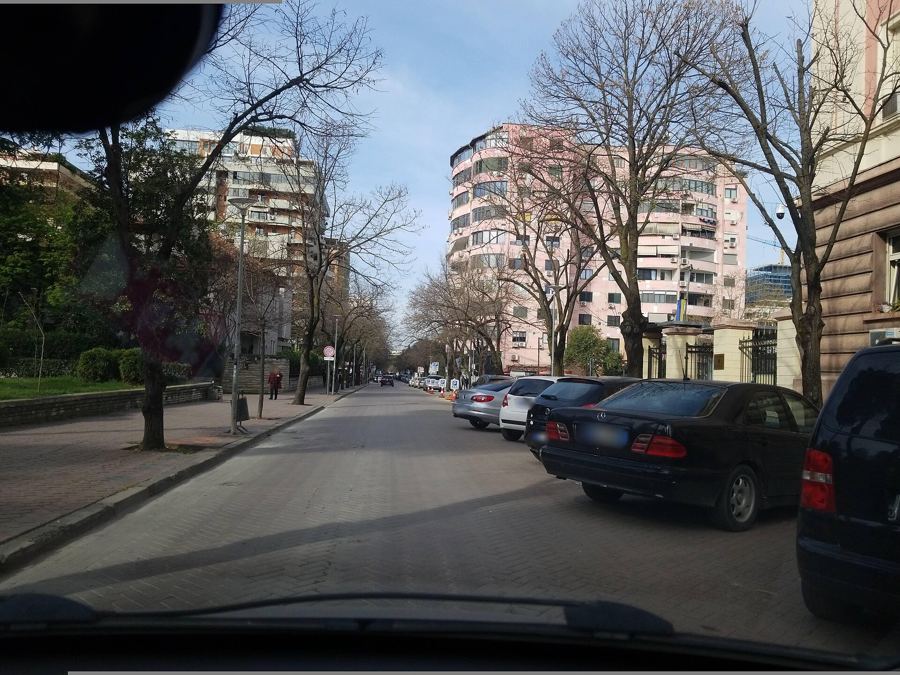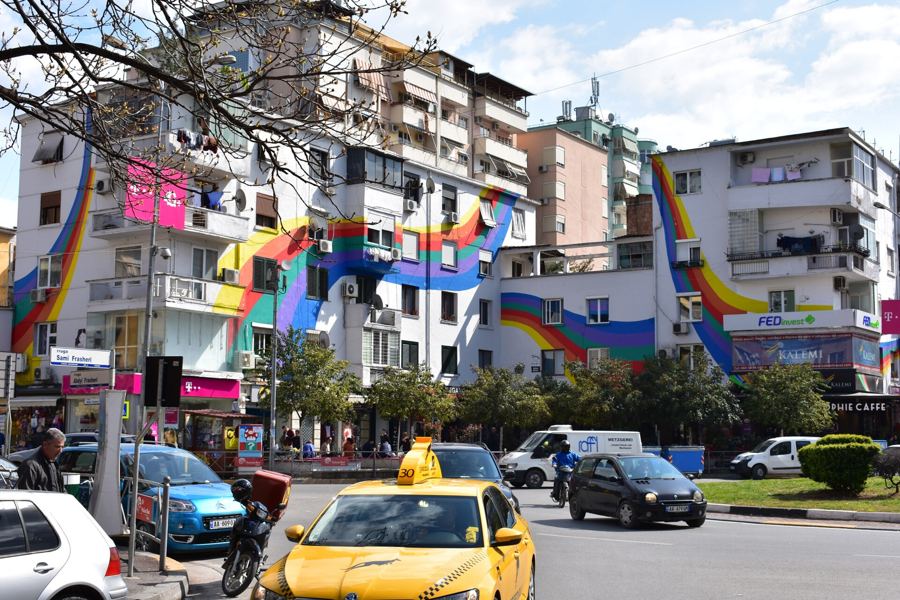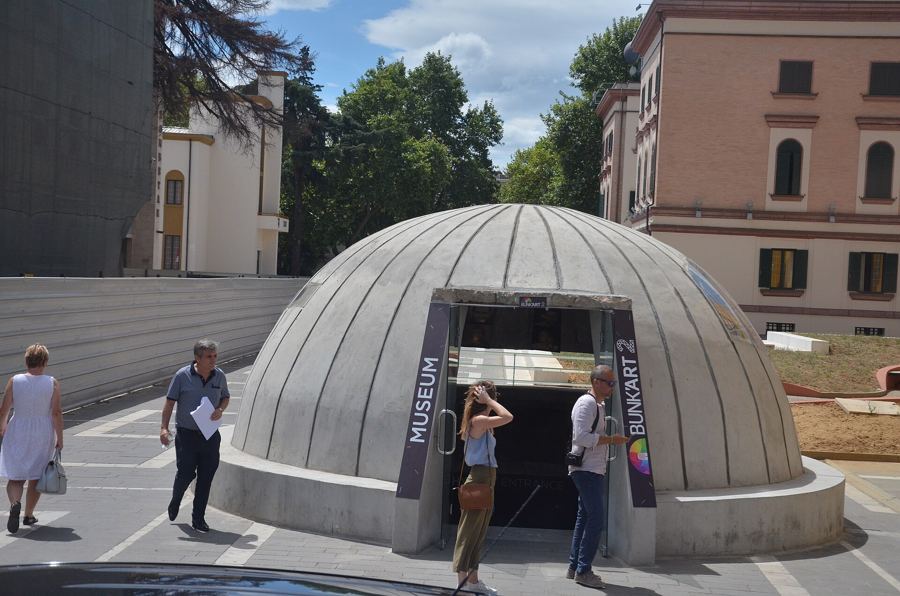
Sheshi Nënë TerezaThe square at the boulevard's southern end
Pallati i BrigadaveThe former royal palace, seen from its edge
The Frashëri brothers' tombMemorial tomb of three National Awakening figures
The Holocaust MemorialStone memorial unveiled in 2020
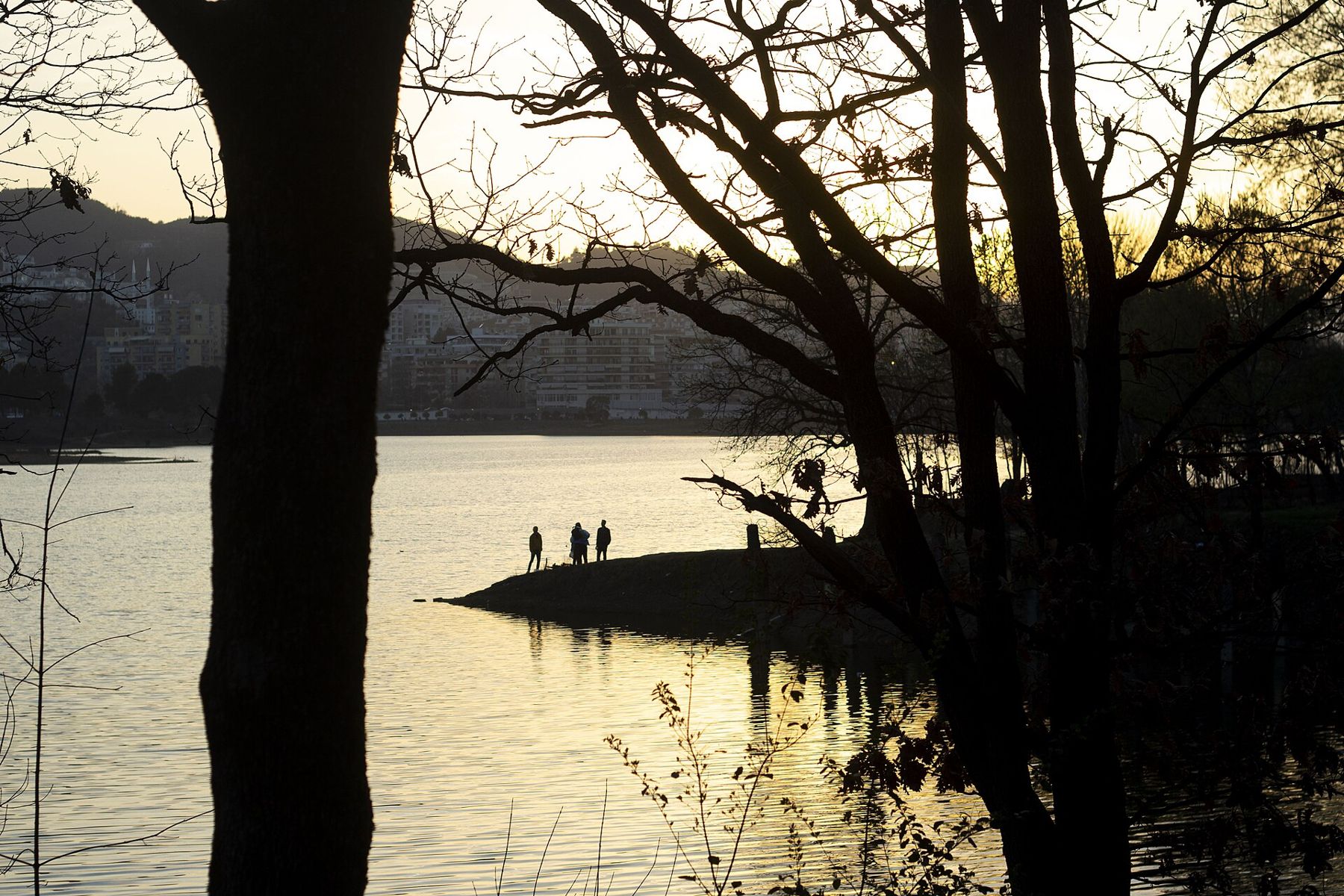
The dam promenadeThe walkway across the dam, with lake views
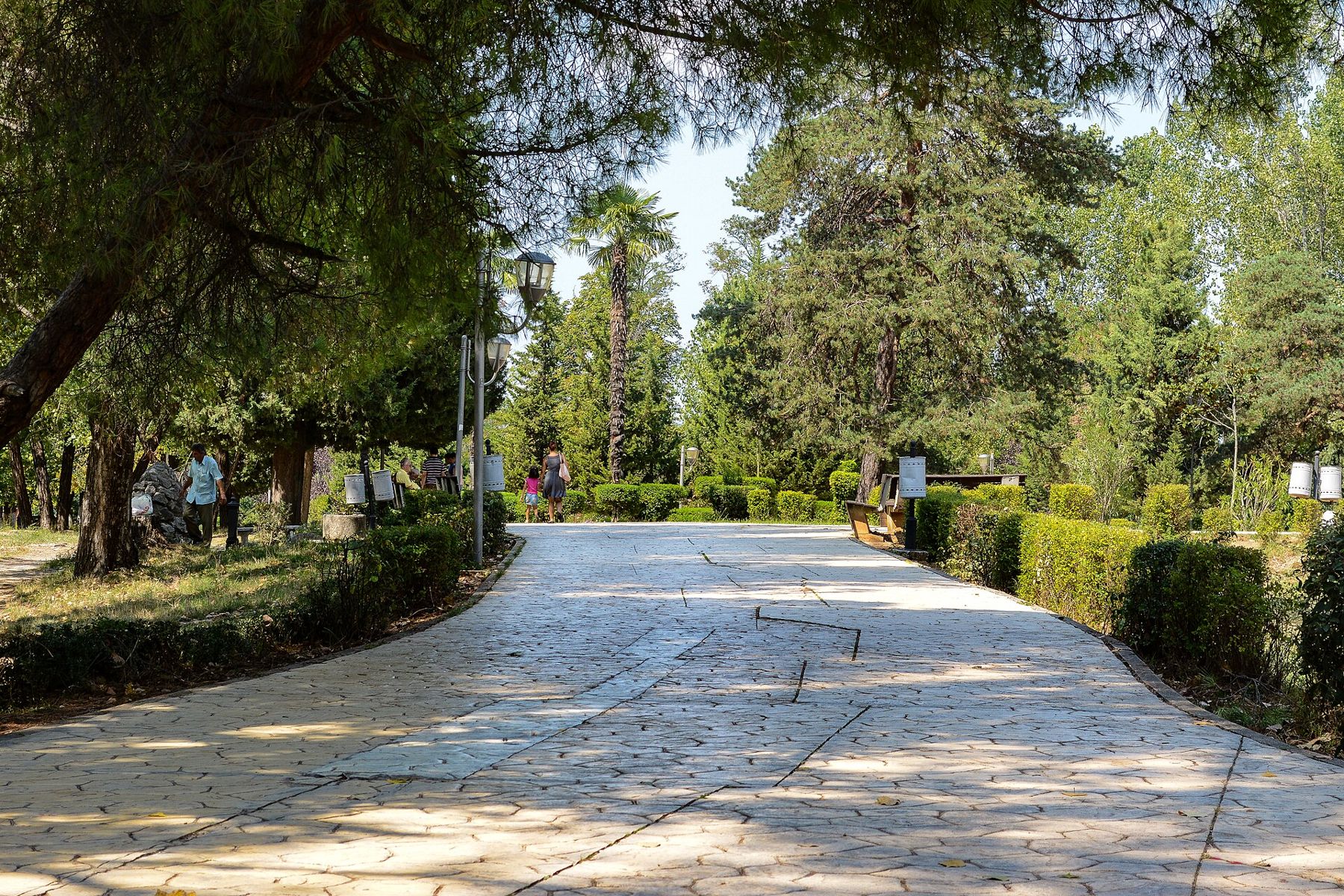
The shore pathPines, joggers and the quiet far side
At the end of a summer day, when the heat finally lets go, half of Tirana seems to head for the same place. Runners come in from the boulevard in twos and threes. Couples walk slowly with their arms linked. A grandmother pushes a pram along the dam while a teenager on a bicycle weaves past. Out on the water a few birds settle, and the sky over the hills to the west turns orange, then pink, then a deep blue.
The Grand Park, Parku i Madh, is the green lung of the capital, a large stretch of woods, lawns and paths that wraps around an artificial lake just south of the centre. The lake was made in the 1950s by damming a small valley, and the park around it was planted at the same period. Since then it has become the place where Tirana goes to breathe. This walk takes in its northern edge and its memorials, then loops along the water, and it is best done slowly, in the early morning or at the end of the day.
Sheshi Nënë Tereza
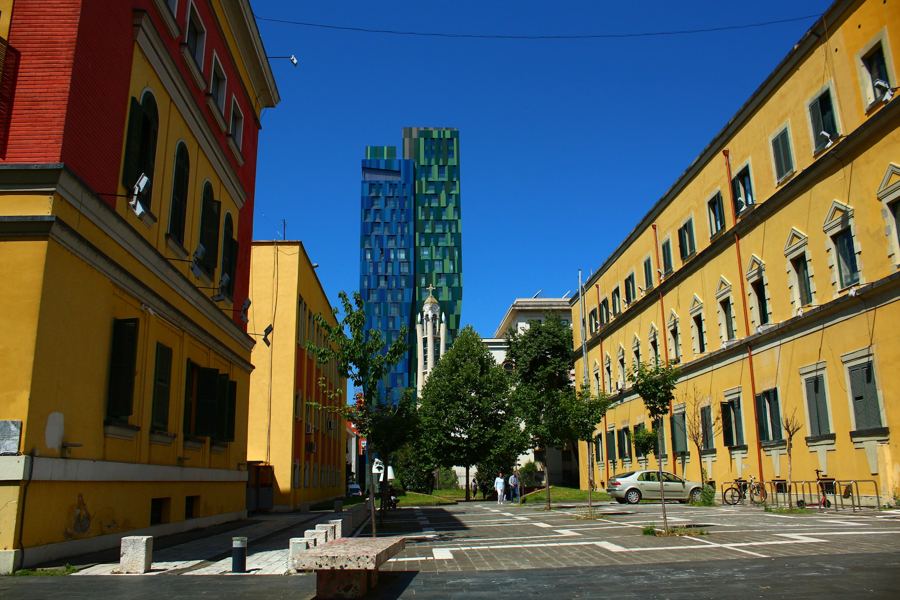
Start at Mother Teresa Square, Sheshi Nënë Tereza, the broad open space at the southern end of the main boulevard. The square is framed by the university building and other institutions from the Italian period, and the long axis of the boulevard runs north from here to Skanderbeg Square. The square takes its name from the nun, born to an Albanian family in Skopje, whom Albanians regard with great pride.
From the square, the park lies just behind the university buildings. On a hot day you can feel the temperature drop as soon as you pass under the trees.
Pallati i Brigadave
Before heading into the park, look east along its edge towards Pallati i Brigadave, the large palace set among trees beside Rruga e Elbasanit. It was begun in the 1930s as a residence for King Zog and has been used since for state functions and receptions. It is not open to casual visitors, and the grounds are guarded, so this is a view from the outside: a formal building of pale stone among trees, with the hills of the park rising behind it.
The palace is a reminder that this end of Tirana was planned as a showpiece. The boulevard, the ministries, the university and the palace were laid out in the interwar years and in the Italian period, and the park was the green end of that grand composition.
The Frashëri brothers' tomb
Walk into the park and up into the trees to find the tomb of the Frashëri brothers, a memorial to three men from one family. Abdyl, Naim and Sami Frashëri were among the leading figures of the Albanian National Awakening in the nineteenth century: Abdyl as a political organiser, Naim as the national poet, and Sami as a writer, scholar and lexicographer. Their work helped shape the idea of a modern Albanian nation in the decades before independence in 1912.
Their memorial here, in the capital's main park, is a quiet one, and it is easy to pass without realising its importance. Albanians, especially schoolchildren, know the names well; Naim Frashëri's poems are part of what every Albanian reads at school.
The Holocaust Memorial
Close to the northern side of the lake is the Holocaust Memorial, unveiled in 2020. It recalls the victims of the Holocaust and also an episode of which Albania is proud: during the Second World War, Albanians sheltered Jews, both those already in the country and refugees who arrived from elsewhere, and the Jewish population of Albania was larger at the end of the war than at its start.
 Read nextThe House of Leaves, where the state listened
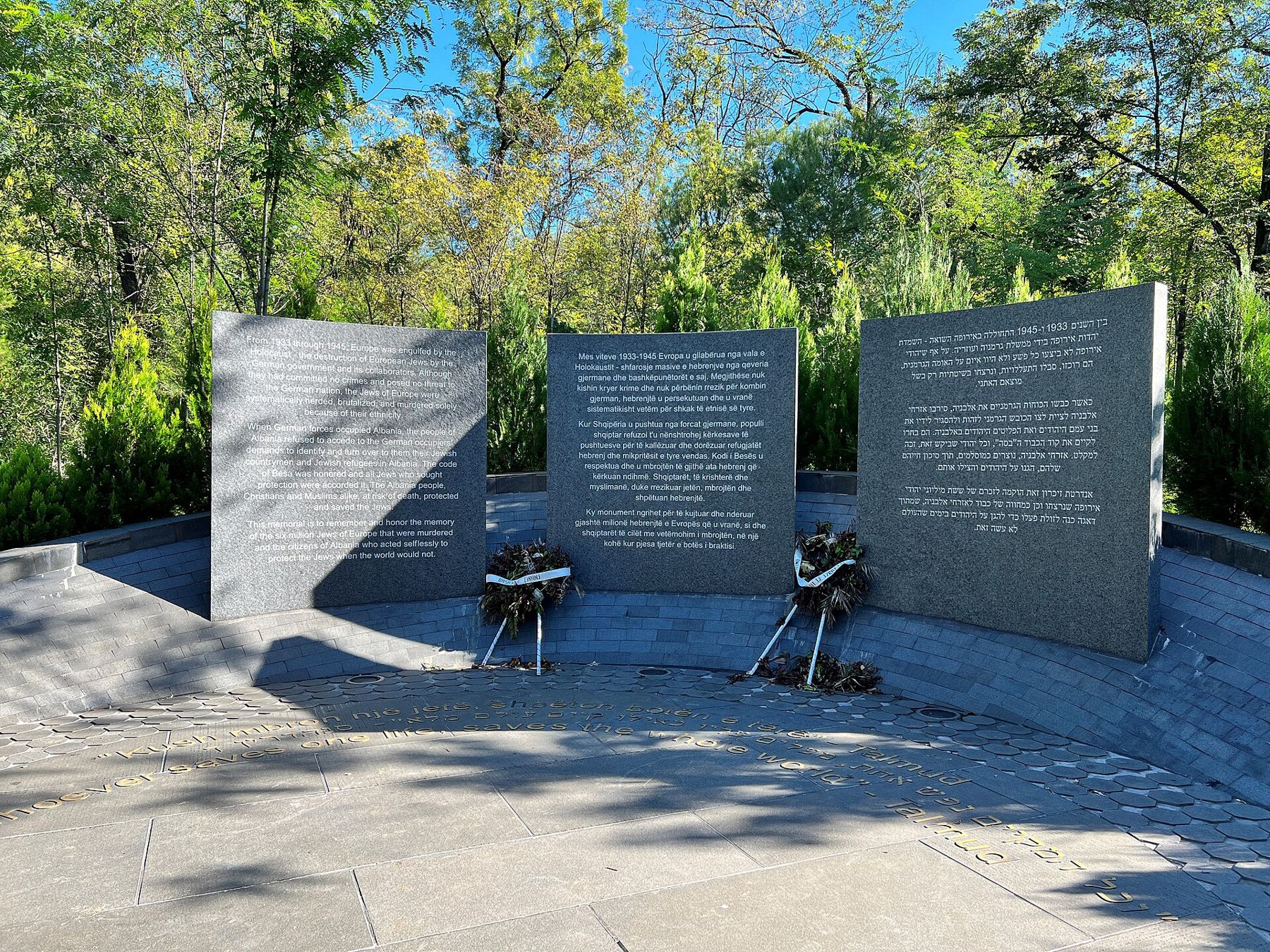
Families hid people in their homes and in mountain villages, often at real risk to themselves. Many explain it through besa, the Albanian code of honour around keeping one's word and protecting a guest. The memorial is a calm and serious place, and it is worth a few minutes' pause on the walk.
The dam promenade
From the memorial, walk to the dam that closes the northern end of the lake. The walkway along its top is one of the most popular promenades in the city, with the open water on one side and the trees and roofs of the city on the other. Benches face the lake, and in the evening it fills with people walking, talking and taking photographs of the sunset.
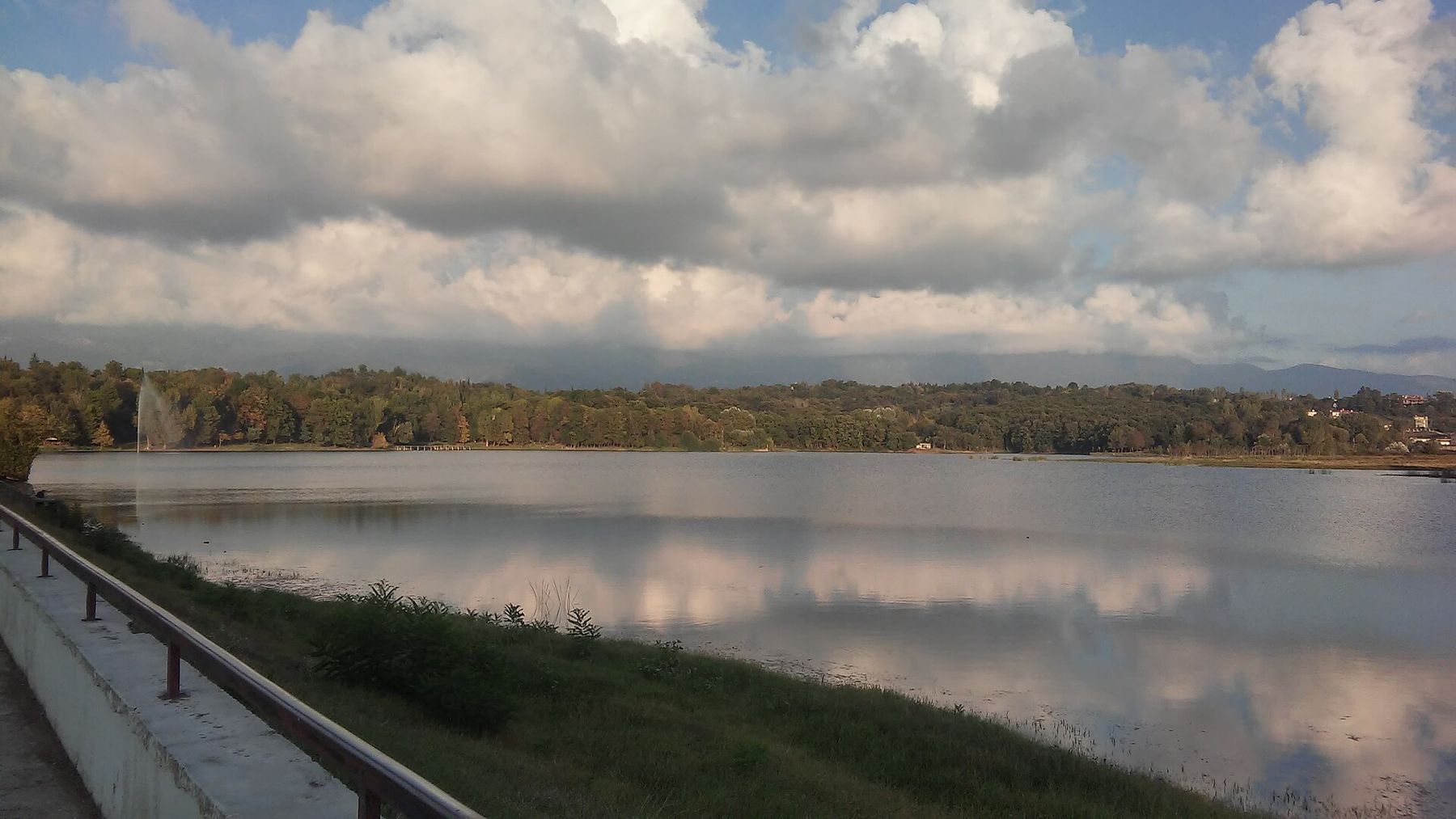
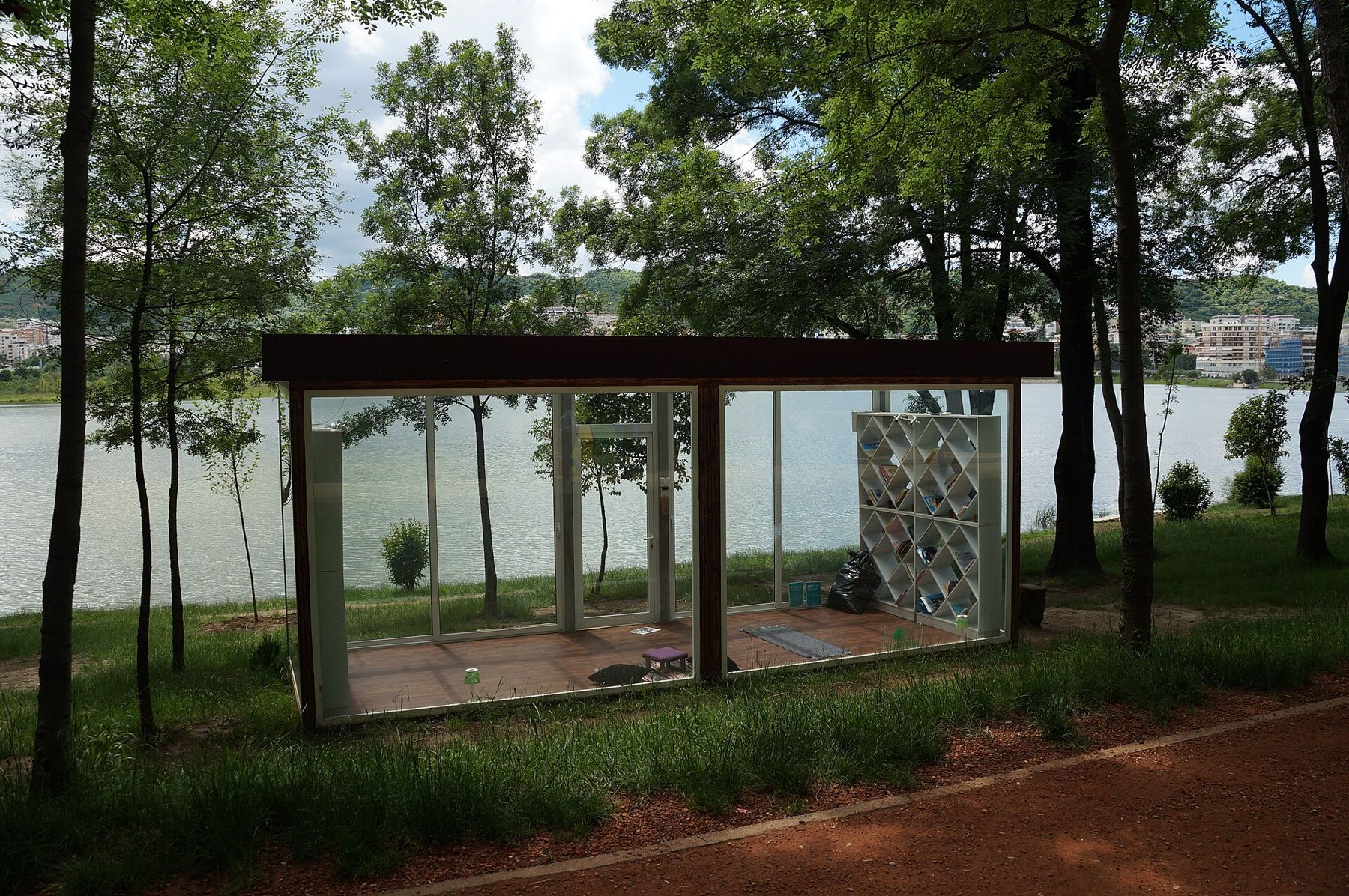
From the dam you get the clearest view of the lake as a whole: a long, irregular stretch of water reaching back into wooded hills, with paths along the shore and new buildings visible on the higher ground beyond. It is easy to forget that this is a reservoir; it looks as if it has always been there.
Stay for the sunset if you can. The sun drops behind the hills to the west, the water goes from silver to copper to grey, and the lights of the apartment blocks come on one by one along the ridges. Around you the evening walk carries on at its own pace, and nobody seems in any hurry to go home.
The shore path
From the dam, follow the path along the western shore. This is the part of the loop where the city recedes. Pines and other trees close in, the traffic noise fades, and the path follows the curves of the water, past small coves, fishermen with long rods and benches set in the shade.
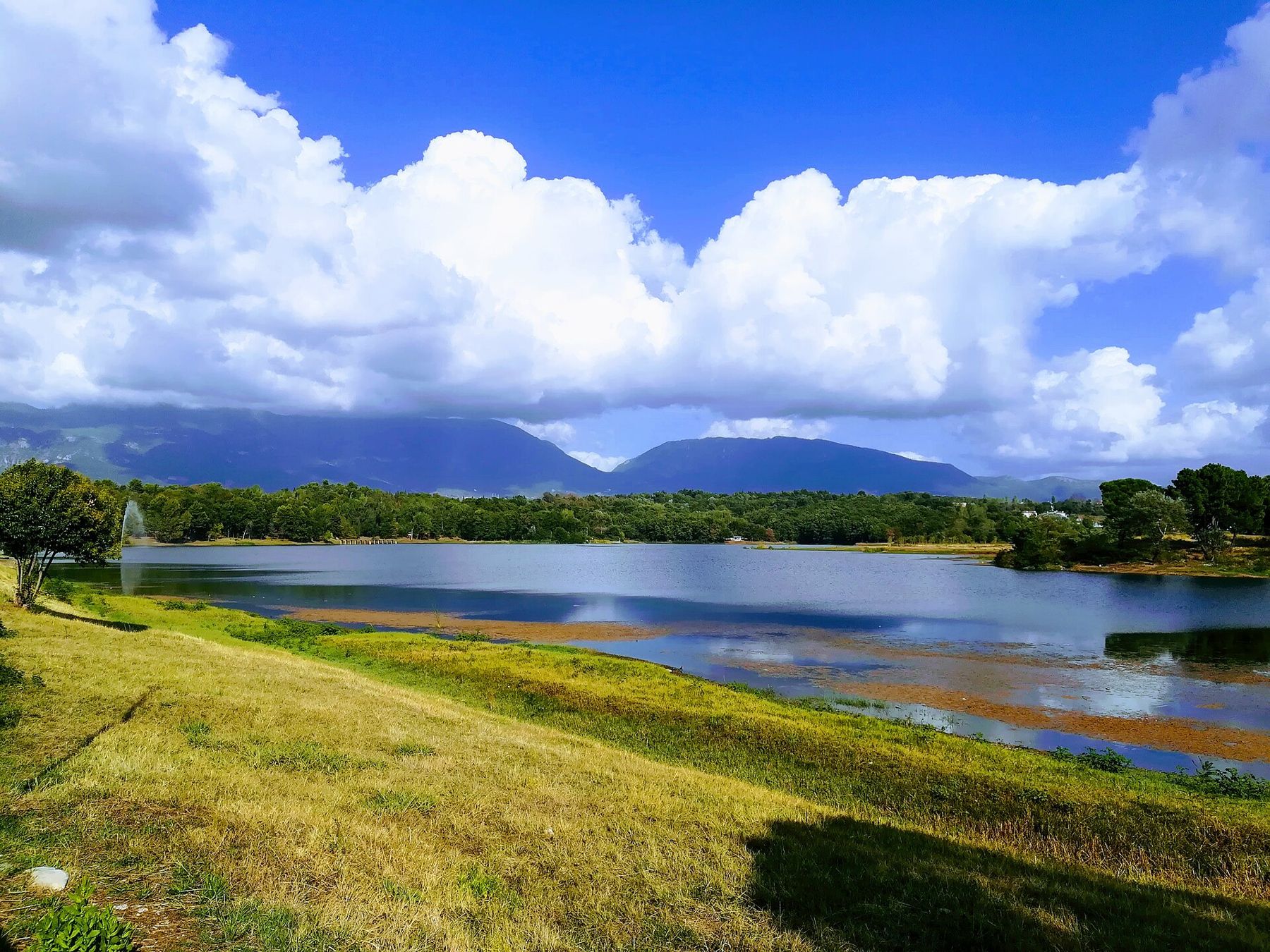
Joggers use this stretch heavily, early in the morning and at dusk, so keep to one side. The full loop around the lake, returning along the eastern side, takes an hour or so at a gentle pace. Allow longer if you want to stop at the cafés or detour into the wider park, which has lawns, sports grounds, a botanical garden on its south-western side and woodland paths that lead away from the lake.
Practical notes
The park is open to all, and there is no fee. Entrances are scattered around its edges, but the simplest approach is from the southern end of the boulevard or from the dam. Most paths are paved or packed earth, and the terrain is gently hilly. Cafés and kiosks cluster near the main entrances and along the dam, while the far shore has few facilities, so carry water in summer.
Early morning and the last two hours of daylight are the best times, both for the light and for the atmosphere. On summer weekends the park is very busy in the evening. In winter it is quieter, and after a rare snowfall it becomes one of the prettiest places in the city.
For a longer outing, the Martyrs' Cemetery lies on a hill a short distance to the south-east, reached from Rruga e Elbasanit. It is dominated by the large statue of Mother Albania, raised in 1971, and holds the graves of partisans who died in the Second World War. Enver Hoxha was buried there in 1985, and his remains were moved to a public cemetery in 1992. It is a solemn place with a wide view, and it makes a fitting end to a long walk. If you have more of the city to see, the park fits easily into a day in Tirana, and the nearby Blloku quarter is the natural place to eat afterwards.
Filed under Tirana