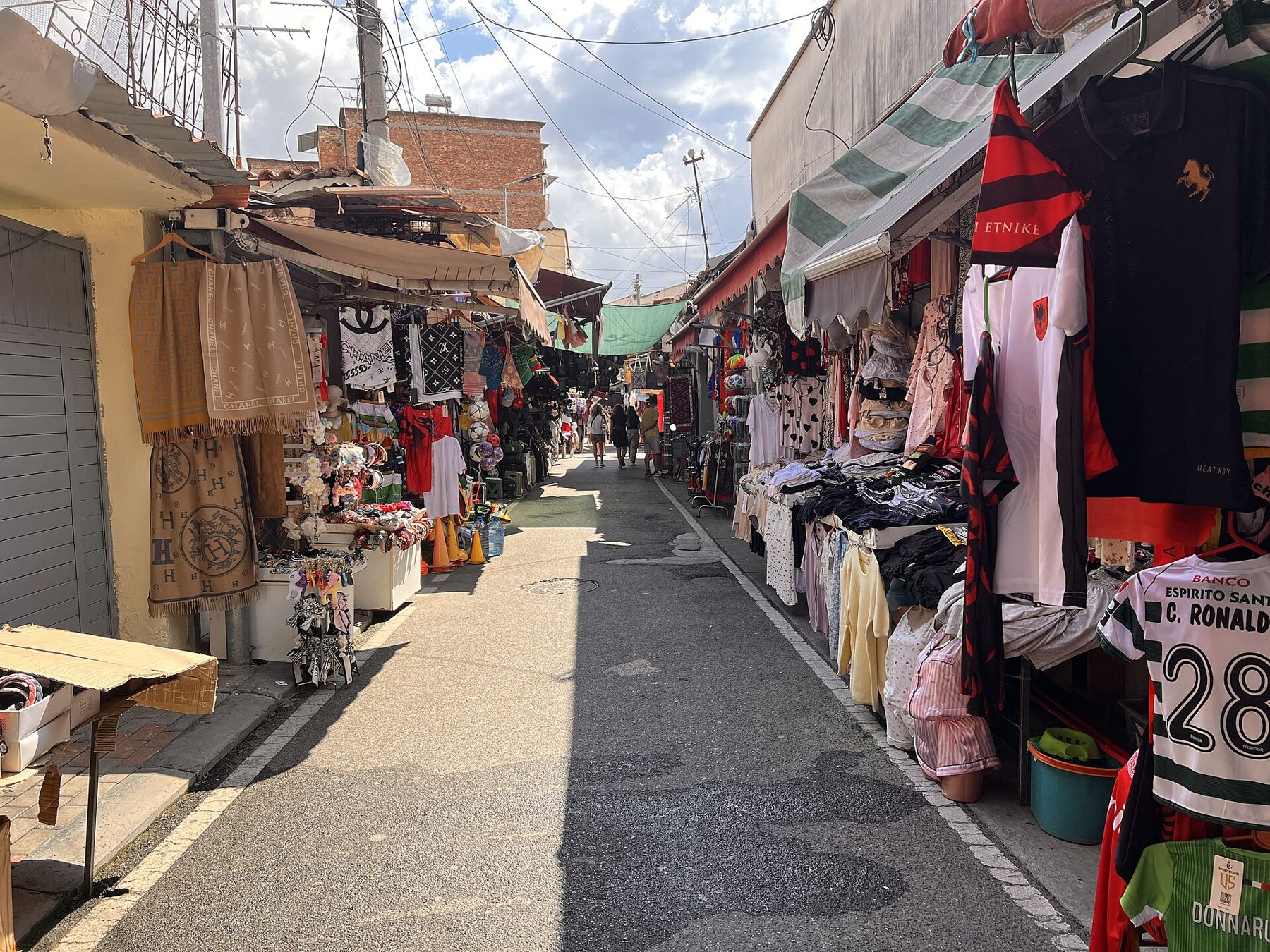
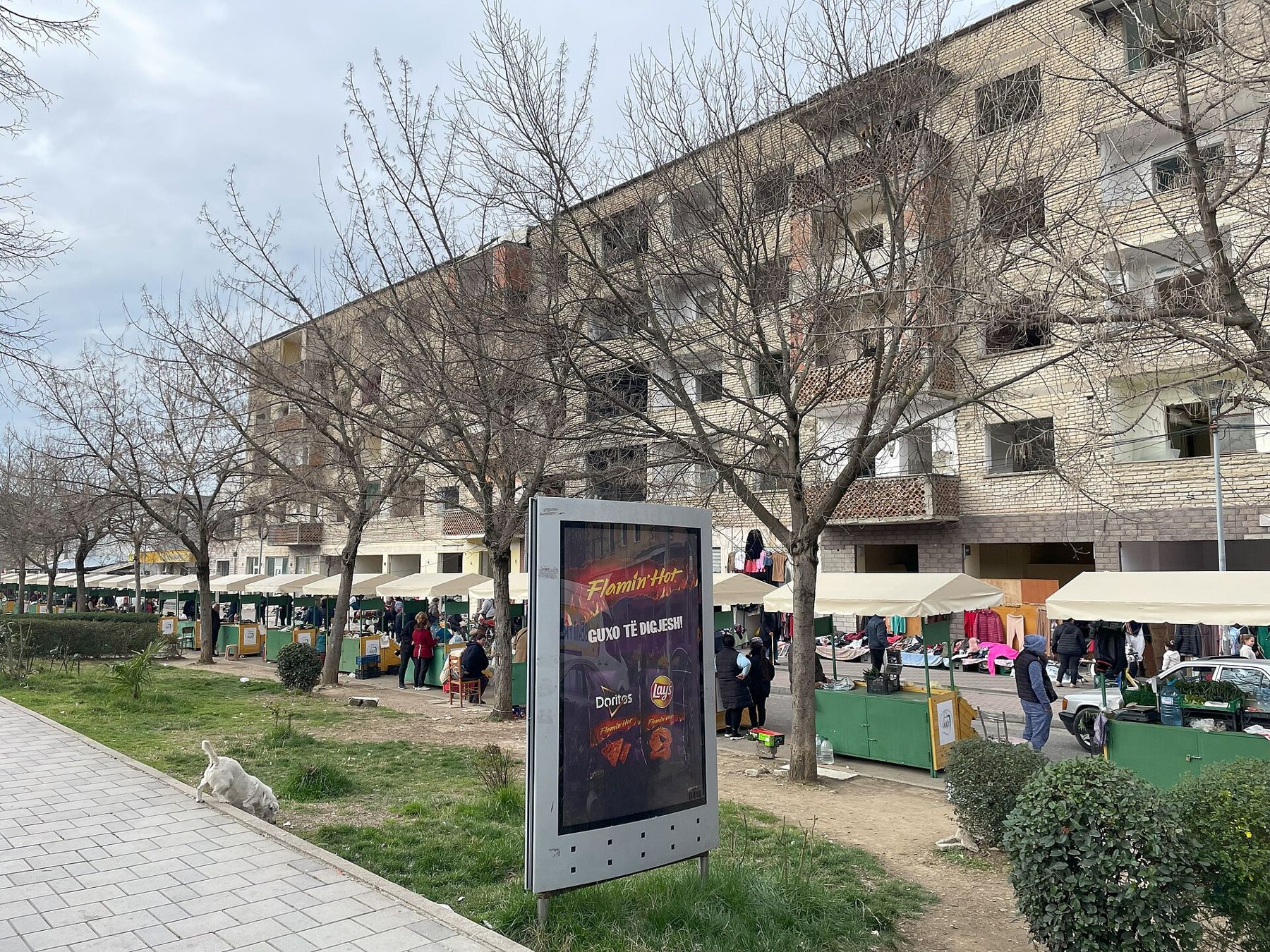
At the Çam market in Tirana, the price of a kilo of figs comes in two versions. The stallholder says one number, then sees a confused face and says another, ten times smaller. Both are right. Money in Albania has its quirks, and so do the gestures that go with buying and selling. A few minutes learning them saves confusion and earns smiles.
What currency does Albania use?
The lek, written ALL in banking and lekë in the plural. Notes and coins come in various denominations. Albania is not in the eurozone, and the exchange rate moves, so check it before you travel and when you change money. Exchange offices are common in towns and generally offer fair rates; compare a few and look at the posted rate before handing over cash.
The quirk is the old lek. In 1965 the currency was revalued, with one new lek worth ten old ones. Decades later, many people still quote prices in old lek, especially older people and at markets. If a price sounds ten times too high, it probably is. Ask, or look at what others hand over.
Are euros accepted?
Sometimes. Euros are widely understood, and some hotels, tour companies and businesses on the coast quote prices in euros or accept them in cash. The rate offered at a shop or restaurant may not be good, however, and change usually comes in lek. For everyday spending, use lek.
Cards or cash?
Both, but carry cash. In Tirana and larger towns, cards are increasingly accepted in supermarkets, many restaurants and hotels, and contactless payment is growing. Outside the cities, at markets, in small cafés, in guesthouses in the mountains, on furgons and at many beaches, cash is still the norm. ATMs are common in towns but scarce in remote valleys, so take out enough before heading into the mountains. Check what your bank charges for withdrawals, and decline the machine's offer to convert into your home currency.
Some ATMs charge their own fee on top of your bank's, and the amount varies by bank, so it can pay to try another machine. Keep some small notes and coins for cafés, markets, public toilets and bus fares, since change for a large note can be hard to find early in the morning.
Should you tip?
Tipping is appreciated rather than expected. In restaurants, rounding up or leaving a modest amount for good service is normal. In cafés, people often leave the small change. Taxi drivers do not expect much beyond rounding up. Guides and drivers on tours are usually tipped at the end of the day. Service charges are not usually added to bills, but check.
Does nodding mean yes?
Not always. This is the classic confusion. Many Albanians shake the head from side to side to mean yes and nod up and down, or tilt the head back with a click of the tongue, to mean no. The habit is strongest among older people and in the countryside; younger Albanians who have spent time abroad may use the gestures the other way round, or both. When in doubt, listen for the words: po means yes, jo means no.
 Read nextCoffee, raki and the long afternoon
What is hospitality like?
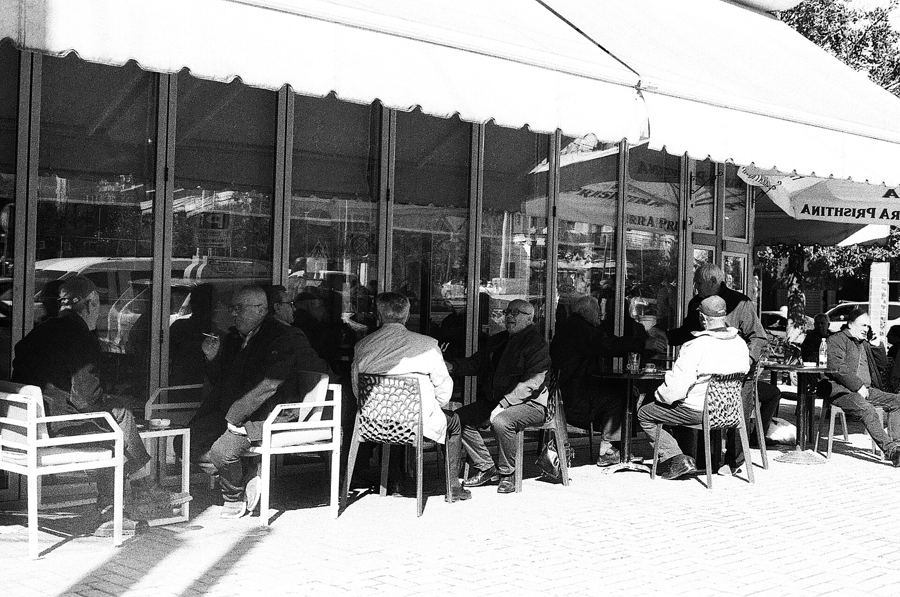
Generous, and taken seriously. Guests are treated as an honour, especially in villages. Visit a home and you will be offered coffee, raki, sweets or fruit preserve, and perhaps a meal. It is polite to accept at least something. A small gift, such as sweets, fruit or a bottle, is welcome if you are invited. At home, people often take their shoes off at the door, and guests may be offered slippers.
The hospitality extends to strangers. Travellers in the mountains are often invited for coffee, and directions sometimes come with a personal escort. Accept in the spirit offered, and do not offer money for hospitality in a private home unless it is a guesthouse.
What is besa?
Besa is a central idea in Albanian culture, usually translated as a pledge or word of honour. To give your besa is to bind yourself to a promise, and to keep it at any cost. It was part of the customary law of the northern mountains, the Kanun, which governed honour, hospitality and the protection of guests. Its best-known modern expression came during the Second World War, when many Albanian families, Muslim and Christian, sheltered Jewish refugees and refused to hand them over. Albania was one of the few countries in occupied Europe whose Jewish population was larger at the end of the war than at its start.
How should you dress and behave?
Albania is relaxed. In cities and on the coast, dress as you would in southern Europe. In mosques, churches and monasteries, cover shoulders and knees, and remove shoes when entering a mosque. Albanians are proud of their religious tolerance; Muslims, Orthodox and Catholics have long lived side by side. Politics and the communist past are sensitive subjects for some people; listen more than you speak. Public displays of drunkenness are frowned upon.
Can you bargain?
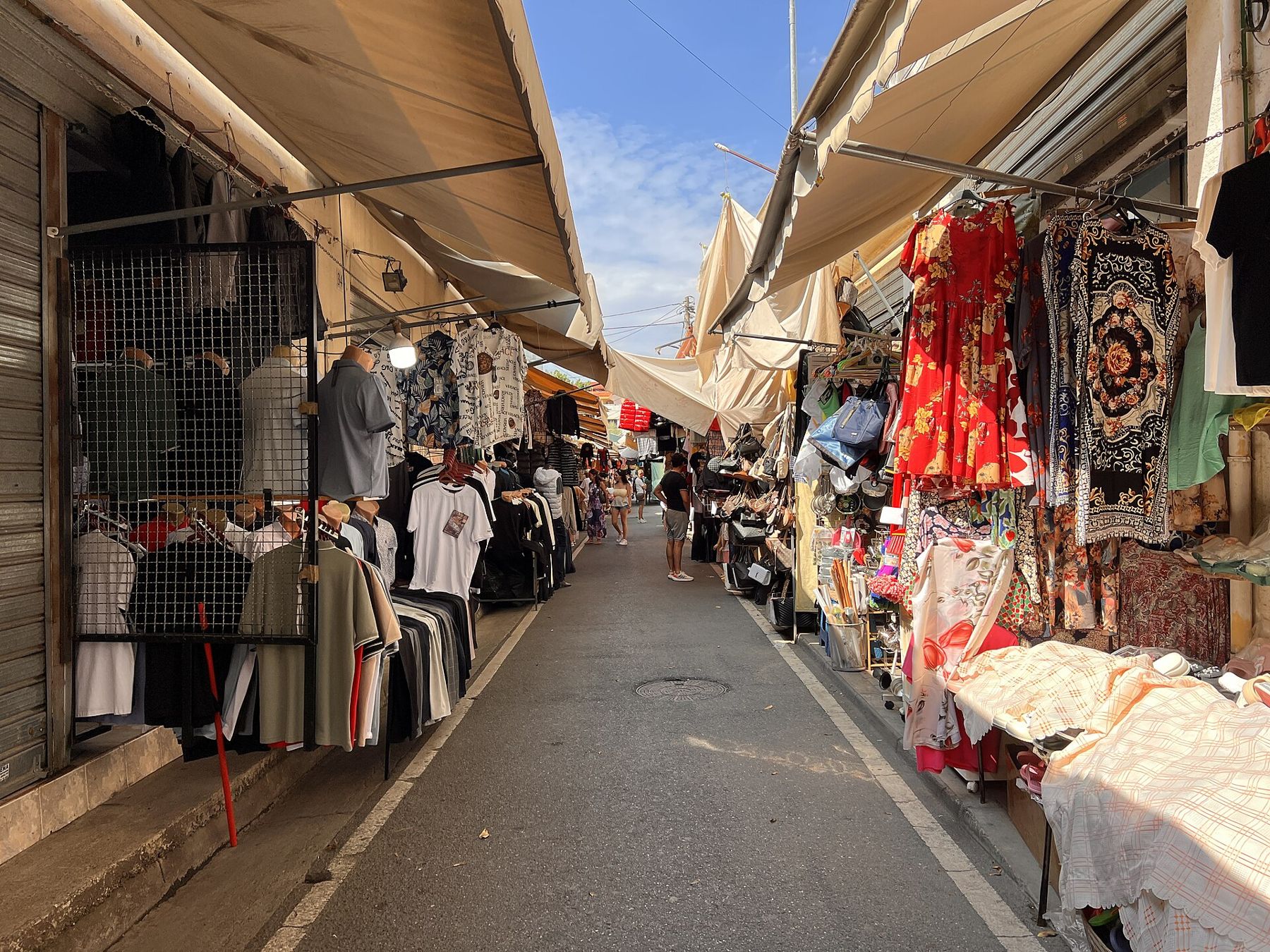
At markets and with some independent sellers, a little friendly bargaining is acceptable, especially for larger purchases. In shops with marked prices, it is not. Taxi fares are best agreed before setting off when there is no meter. Be friendly and keep it light. A smile and a little Albanian often do more than any hard bargaining.
What else is useful to know?
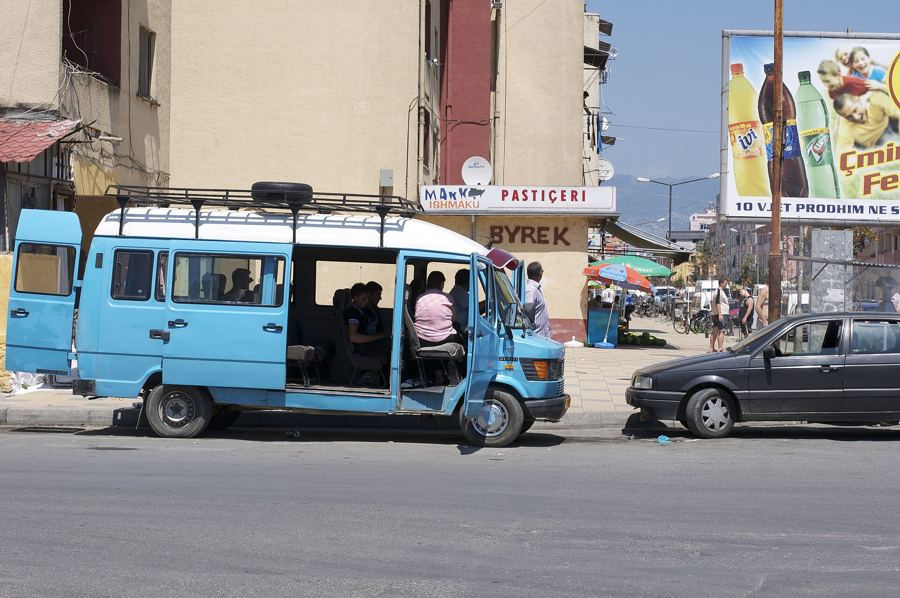
Shops and businesses in towns often close for a long lunch break in summer and reopen in the evening. Sunday is quieter but cafés stay open. Albanians are generally direct and warm, and a few words of Albanian go a long way: faleminderit for thank you, mirëdita for good day, gëzuar for cheers. Buy fruit at the New Bazaar, try the local cheese, and accept the coffee. That covers most of it. For transport, see getting around, where cash for furgons is a must.
Filed under Practical